2026 Top Trends in Metal Framing Systems for Modern Construction?
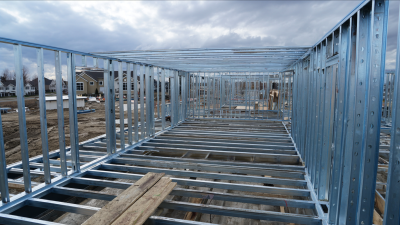
The construction industry is experiencing a transformation, driven by innovation and efficiency. Metal framing systems are at the forefront of this change. These systems offer durability and versatility, making them ideal for modern buildings. In 2026, several key trends are emerging in this area.
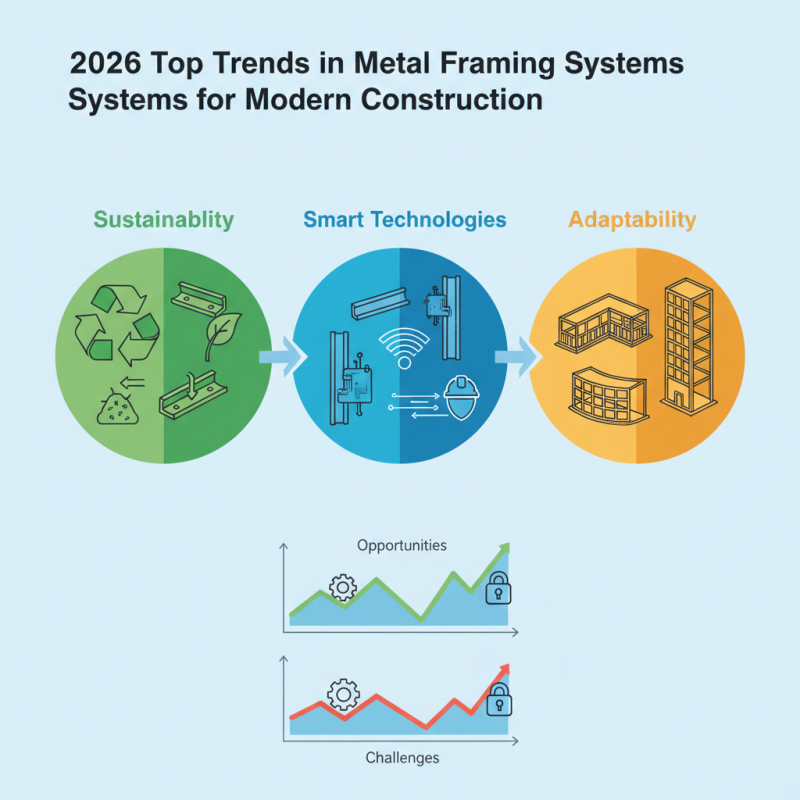
One major trend is the focus on sustainability. Many builders are seeking eco-friendly materials and practices. Metal framing systems often involve recycled materials and lower waste during construction. However, the challenge lies in ensuring these materials are cost-effective. Another trend is the integration of smart technologies. Smart metal framing systems can optimize energy use and enhance safety. But the implementation of these technologies can be complex.
Additionally, the adaptability of metal framing systems is gaining attention. As construction needs evolve, these systems can be tailored for various designs. Yet, some may find it difficult to balance flexibility with structural integrity. This reveals a need for ongoing learning in the industry. This exploration of 2026's top trends in metal framing systems will highlight both the opportunities and challenges facing modern construction.
Key Innovations in Metal Framing Systems for 2026
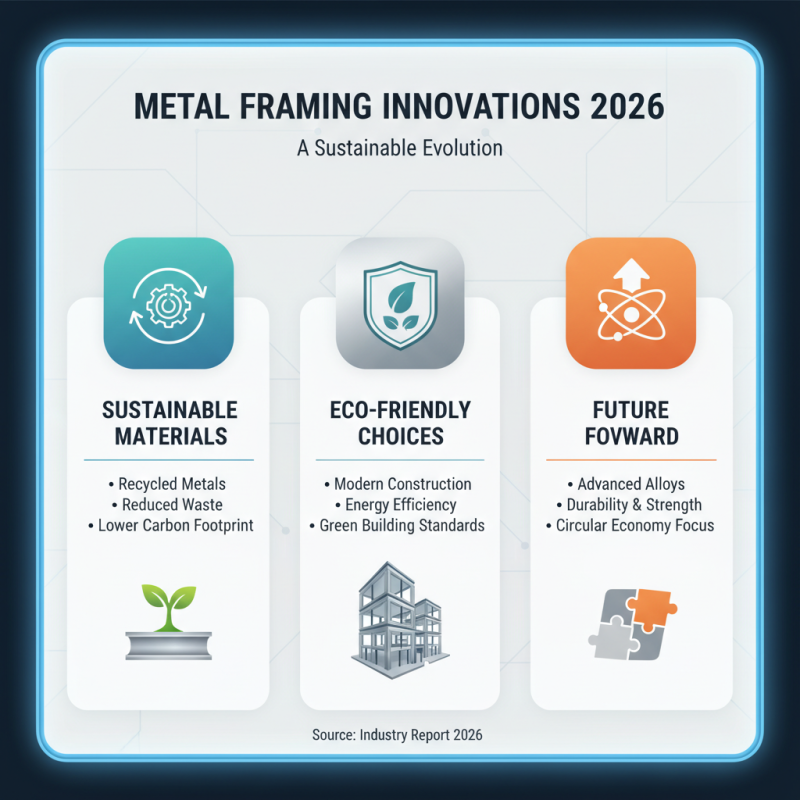
In 2026, metal framing systems are set to embrace significant innovations. Sustainable materials will take center stage. Recycled metals, for instance, will be more prevalent. This shift not only reduces waste but also cuts down on carbon footprints. Modern construction demands eco-friendly choices, and metal framing is evolving.
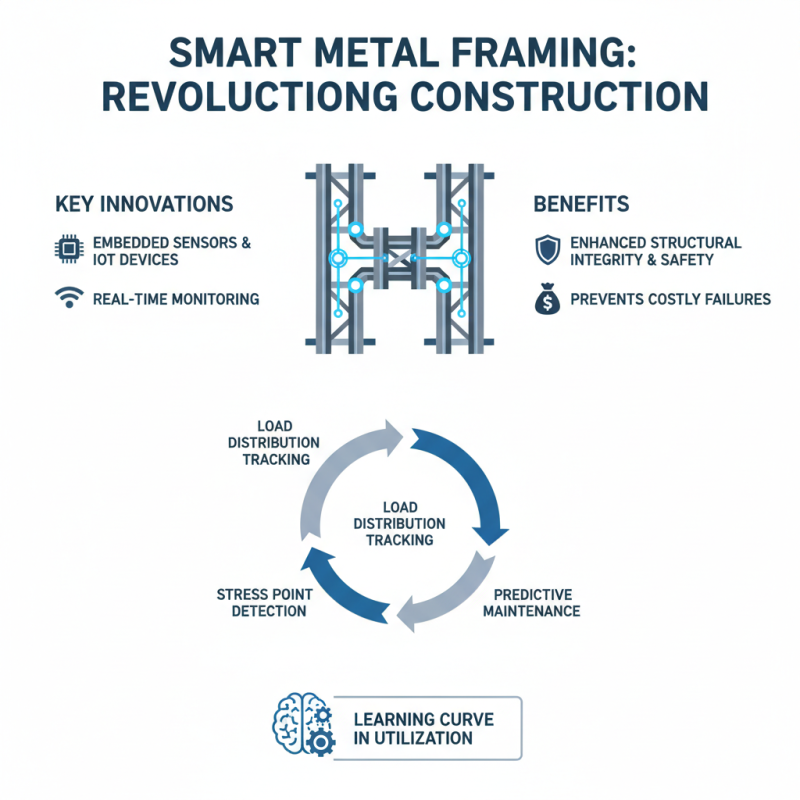
Smart technologies are gaining traction. Sensors can now be embedded in metal frames. These sensors will monitor structural integrity. Real-time data can prevent failures and enhance safety. Think about how buildings will communicate with us. This innovation offers a new layer of interaction.
**Tips:** When choosing materials, prefer those with lesser environmental impact. Always consider the long-term implications of your choices. Investing in smart technologies may seem costly, but the savings in safety and maintenance are worth it.
Sustainability Trends Impacting Metal Framing Solutions
Sustainability is reshaping metal framing systems in construction. Builders now prioritize eco-friendly materials. Steel, a highly recyclable material, is gaining traction. Most modern constructions embrace its longevity and strength. However, recycling processes can be energy-intensive. This raises questions about overall sustainability.
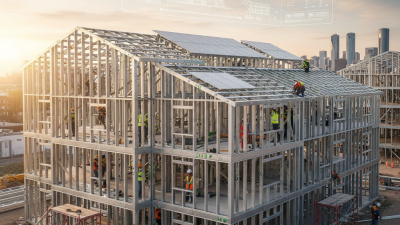
Innovative designs incorporate wind and solar solutions. Often, these methods reduce energy costs significantly. For instance, integrating solar panels into metal structures is becoming common. Still, the effectiveness varies by location and climate. It's crucial to evaluate local conditions before implementation.
Manufacturers are also exploring new coatings. These finish options can enhance durability and reduce environmental impact. Yet, some coatings may not perform well in extreme conditions. Teams should test materials in real-world applications. Rethinking material choices can lead to more sustainable outcomes.
2026 Top Trends in Metal Framing Systems for Modern Construction - Sustainability Trends Impacting Metal Framing Solutions
| Trend |
Description |
Impact on Metal Framing |
Projected Adoption Rate (%) |
| Recycled Material Use |
Increased use of recycled steel and metals in framing systems |
Reduces raw material demand and carbon footprint |
70% |
| Modular Construction |
Prefabricated metal framing systems for quicker assembly |
Lowers waste and speeds up construction timelines |
65% |
| Energy Efficiency |
Integration of energy efficiency measures in metal structures |
Enhances building performance and reduces operating costs |
80% |
| Smart Building Technology |
Incorporating IoT and automation into metal framing |
Improves building management and sustainability monitoring |
60% |
| Biophilic Design |
Design approaches that connect buildings with nature |
Promotes well-being and energy efficiency |
50% |
Integration of Smart Technology in Metal Framing Systems
The integration of smart technology into metal framing systems is revolutionizing modern construction. New sensors and IoT devices are embedded in the framing. These innovations allow real-time monitoring of structural integrity. For instance, builders can track load distributions and detect stress points. This data can prevent costly failures and enhance safety. However, there is a learning curve in utilizing these technologies effectively.
Moreover, smart technology can improve efficiency on job sites. Automated systems for inventory and material management reduce waste. Workers can focus on more critical tasks rather than mundane ones. Yet, embracing these changes can be challenging. There may be resistance from traditionalists who prefer old methods. Training is essential for successful implementation.
Another point of consideration is data security. With more connected devices, the risk of cyber threats increases. The construction industry must prioritize protecting sensitive information. Balancing innovation with safety and security is no small feat. Addressing these issues will be vital as the industry evolves.
Cost Efficiency Strategies in Modern Metal Framing Construction
In modern construction, cost efficiency is more important than ever. Metal framing systems offer a practical solution. They are lighter than traditional materials. This makes transportation easier and reduces labor costs. Using metal can cut down on material waste, too, if managed well.
However, it’s not all straightforward. Metal can be more expensive upfront. Builders must carefully assess long-term benefits versus initial costs. Storage and handling still have their challenges. Moisture control is vital; rust can lead to higher expenses later. Choosing the right designs and configurations can mitigate these issues.
Effective planning is crucial for successful outcomes. Collaboration among architects and contractors streamlines processes. Understanding the whole project lifecycle helps avoid budget overruns. Metal framing systems can support sustainable practices, but they require thoughtful implementation. Balancing cost and efficiency is an ongoing challenge in construction projects.
Design Flexibility and Aesthetic Trends for Metal Framing in Buildings
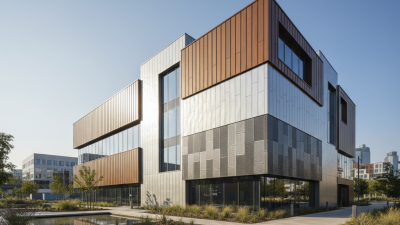
Metal framing systems are evolving rapidly in modern construction. Designers now prioritize flexibility and aesthetics more than ever. This shift caters to the growing demand for innovative building designs. A metal framework allows for unique shapes and open spaces. This means that less material can achieve more visual impact.
When considering design flexibility, think about how metal frameworks can align with various architectural styles. Whether it's a sleek, modern look or a warm, rustic aesthetic, metal can adapt. It can be finished in various ways, allowing for creative freedom.
Tips: Incorporate different textures. Mixing smooth and rough finishes adds depth. Experiment with colors. Metallic hues can enhance the visual allure of a building. Remember, balance is vital. Too much can overwhelm; too little may underwhelm.
Reflect on the role of sustainability. Metal is recyclable and can reduce waste. This factor is crucial in today’s construction landscape. However, ensure metal connections are well-designed. Poor connections can lead to structural issues down the line.