Top Benefits of Composite Decking for Your Outdoor Space?
In recent years, the popularity of composite decks has surged among homeowners. This material combines wood fibers and recycled plastics, creating a durable surface. According to a study by the Freedonia Group, the composite decking market is projected to grow by 5% annually through 2026. This rise reflects the increasing demand for low-maintenance and eco-friendly outdoor solutions.
Composite decks offer many benefits. They resist rot, splintering, and insects. This durability can save homeowners money over time. A report from Research and Markets highlights that 77% of homeowners prefer composite materials for their outdoor spaces. However, some still struggle with the initial investment cost, which is higher than traditional wood options.
Moreover, the look and feel of composite decks have evolved. Many models closely resemble natural wood, appealing to aesthetic preferences. Yet, some argue that these products lack the warmth of real timber. While composite decking is undeniably practical, it’s important to weigh all factors when considering your next outdoor project.
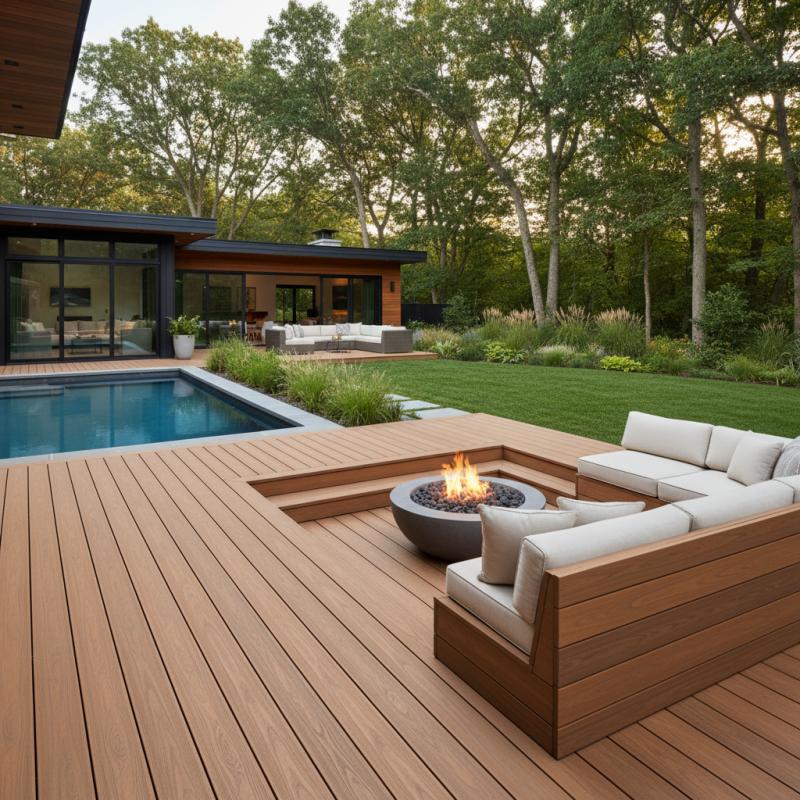
Understanding Composite Decking: Definition and Composition
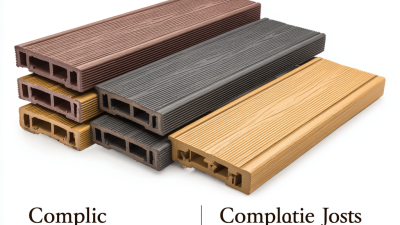
Composite decking offers a modern solution for outdoor spaces. It is made from a mix of wood fibers and plastic. This combination creates a durable material that can withstand various weather conditions. Many homeowners appreciate the aesthetics it provides. It mimics the look of wood while offering enhanced durability.
The composition of composite decking contributes to its performance. The wood fibers provide a natural feel, while plastic enhances water resistance. This allows for less maintenance than traditional wood decks. However, some may find that it can get hot in direct sunlight. It is important to consider this when planning your space.
Composite decking is also eco-friendly, often made from recycled materials. This appeals to environmentally-conscious consumers. Still, some people question its long-term sustainability. Understanding the balance of performance and environmental impact is crucial when choosing materials. Ultimately, composite decking delivers on various fronts, but it may not be the perfect choice for everyone.
Top Benefits of Composite Decking for Your Outdoor Space
| Benefit |
Description |
Durability |
Maintenance |
| Weather Resistance |
Composite decking can withstand extreme weather conditions without warping or cracking. |
High |
Low |
| Eco-Friendly |
Made from recycled materials, reducing waste and promoting sustainability. |
Moderate |
Low |
| Aesthetic Appeal |
Available in a variety of colors and styles to enhance outdoor spaces. |
High |
Moderate |
| Slip Resistance |
Offers better slip resistance compared to traditional wood decking. |
High |
Low |
| Longevity |
Lasts longer than traditional wood decks with minimal wear and tear. |
Very High |
Very Low |
Durability and Longevity: How Composite Decking Stands Up to the Elements
Composite decking is designed to withstand harsh weather conditions. It resists fading, splintering, and warping. This durability makes it a great choice for outdoor spaces. Heavy rain, sun exposure, and snow won’t damage it easily. Many homeowners appreciate its low maintenance needs.
Unlike traditional wood, composite materials do not require frequent sealing or staining. This saves time and effort. Over time, it can be cost-effective. Imagine weekends free from repainting or replacing rotting boards. However, some may find the initial investment to be high. It's a consideration worth making.
In addition to being tough, composite decking often comes in various styles and colors. Homeowners can select designs that fit their vision. Yet, making a choice can feel overwhelming. With so many options, finding the perfect match may take time. Ultimately, the right selection can enhance the outdoor experience immensely.
Low Maintenance Benefits: Saving Time and Money with Composite Decking
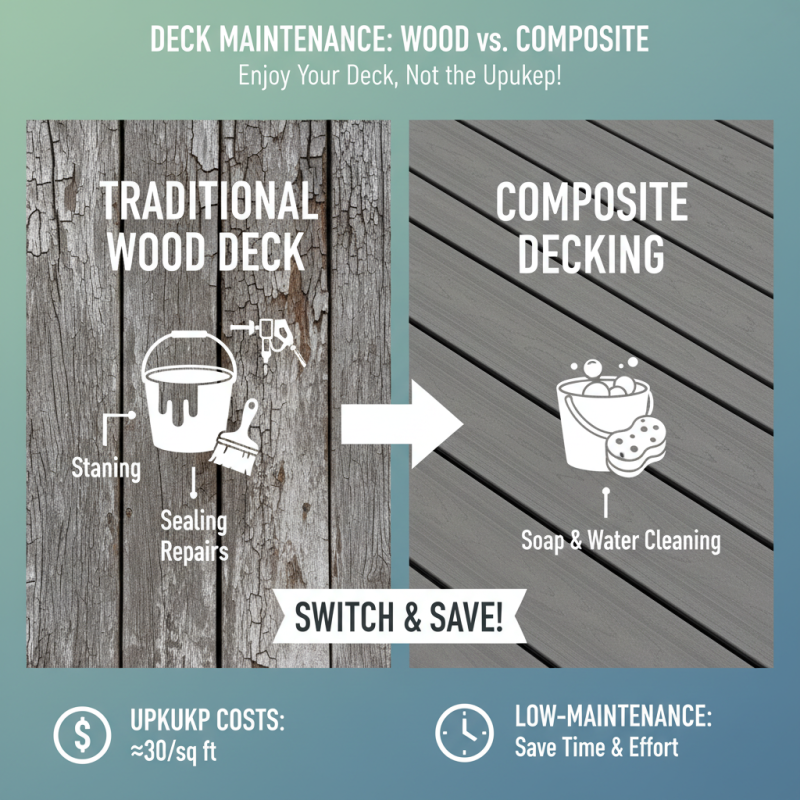
Composite decking offers significant low maintenance benefits. Homeowners often face the burden of regular upkeep with traditional wood decks. This can include staining, sealing, and frequent repairs. A report from the American Wood Council highlights that upkeep costs can reach upwards of $30 per square foot over time. In comparison, composite decking typically requires only occasional cleaning with soap and water, saving time and effort.
Another study by the Research Institute for the Sustainable Environment indicates that composite materials can last 25 to 30 years. This longevity can lead to reduced costs on replacements and repairs. Homeowners often underestimate the benefits of using composite over wood. The initial investment might be higher, but the savings in maintenance can be substantial. Many fail to account for how much time they spend on deck repairs every year.
However, there are considerations to keep in mind. Some composites may fade over time or show scratches more easily than expected. Regular cleaning is essential to maintain appearance. The perception of "maintenance-free" can be misleading. While maintenance is indeed low, it is not nonexistent. Homeowners should reflect on this and weigh their options carefully before making a decision.
Aesthetic Versatility: Design Options and Customization with Composite Decking
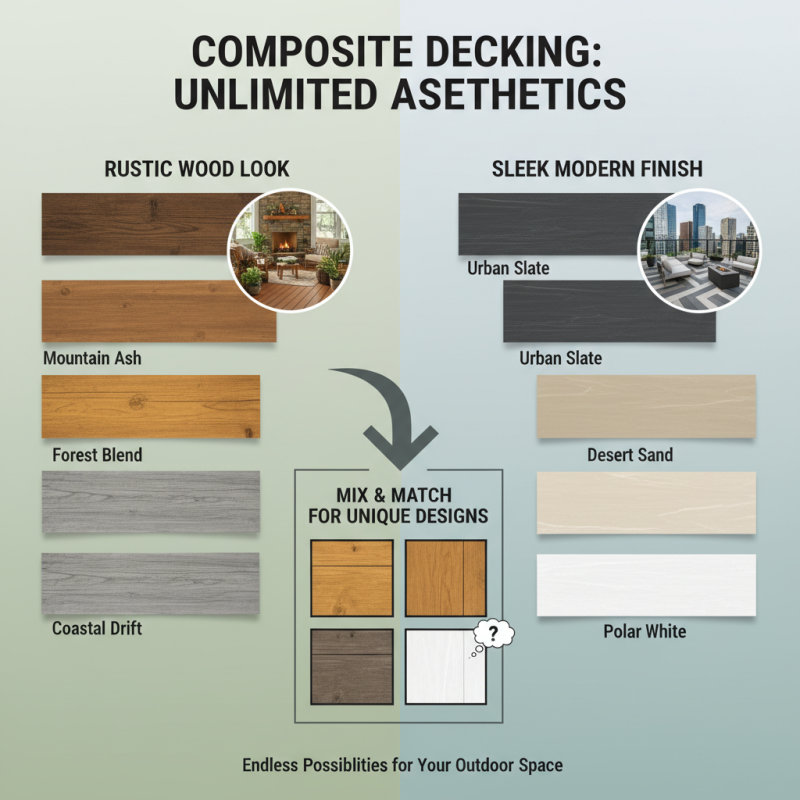
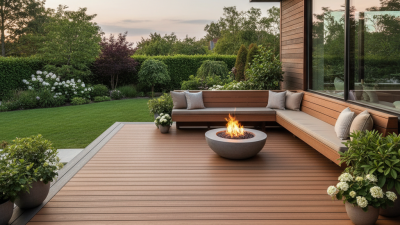
Composite decking offers great aesthetic versatility for outdoor spaces. Homeowners can choose from a variety of colors and textures. This variety allows for creative freedom. Whether you prefer a rustic wood look or a sleek modern finish, there is something for everyone. You can easily mix and match colors to create unique designs. Some combinations may not work as expected, but that’s part of the exploration.
Customization is a key feature of composite decking. You can add features like inlays or unique patterns. This personalization can elevate your outdoor area significantly. However, it’s essential to consider your home’s overall style. A design that is too bold might clash with traditional elements. Balancing creativity with coherence is crucial. The effort you put into design can enhance your outdoor enjoyment.
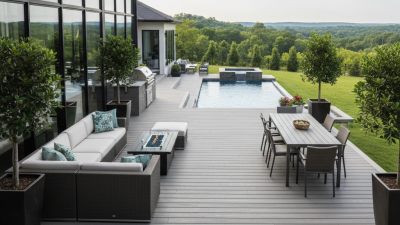
Think about how you want to use your space. A cozy, inviting deck can transform gatherings. It’s about creating a welcoming atmosphere. Experimenting with different layouts and styles is also a great idea. Mistakes are common, but they lead to better designs. Embrace the process and enjoy the journey of refining your outdoor haven.
Environmentally Friendly Features: Sustainability of Composite Materials
Composite decking has surged in popularity, primarily due to its environmentally friendly features. Unlike traditional wood, composite materials are made from recycled materials, reducing waste. Reports indicate that the production of composite decking can keep over 4 million tires out of landfills each year. This significant statistic showcases how opting for composite solutions impacts sustainability positively.
Many consumers might be unaware that composite decking requires less maintenance than its wood counterparts. Typically, it doesn't need staining or sealing. This not only saves time and money but also ensures that fewer harmful chemicals are released into the environment. It’s worth noting that composite materials often use low-VOC (volatile organic compounds) ingredients. This means that choosing composite is a healthier choice for your outdoor living space.
Tip: When selecting composite materials, look for certifications that guarantee recycled content. Such certifications can guide you toward truly sustainable options.
Another factor of consideration is durability. While composite decking can last 25 years or more, it can present challenges. Issues like fading or scratching can occur, requiring care in selection and maintenance. As you evaluate options, balance durability with aesthetics to ensure a choice that lasts. Remember, not all composites are created equal.