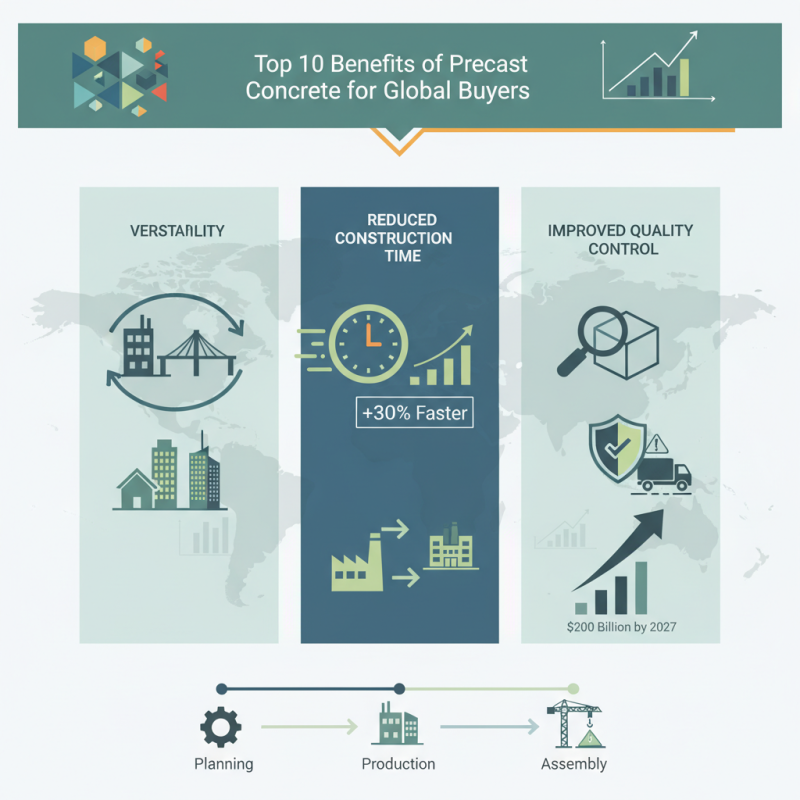
Precast concrete is transforming the construction industry worldwide. According to a recent report by Grand View Research, the global precast concrete market is expected to reach $200 billion by 2027, growing at a compound annual growth rate (CAGR) of 5.2%. This growth highlights the increasing preference for precast concrete among global buyers.
One key advantage of precast concrete is its versatility. It can be used in various applications, ranging from residential buildings to large infrastructure projects. The reduced construction time is another critical benefit. Projects can achieve up to 30% faster completion rates, as elements are manufactured offsite. However, this efficiency requires precise planning and collaboration among stakeholders.
Moreover, precast concrete offers improved quality control. Each piece is produced in a controlled environment, ensuring consistent quality. However, it demands careful handling and transportation. Issues like cracking during transit can undermine the benefits. Overall, understanding both the advantages and challenges of precast concrete plays a vital role in its successful adoption.
Precast concrete has transformed modern construction with its efficiency. According to a report by the American Concrete Institute, projects utilizing precast concrete can see a time reduction of up to 50%. This expedited timeline is crucial in today's fast-paced industry. Workers can assemble components rapidly, minimizing delays due to weather challenges. The ability to produce elements off-site also allows for continuous workflow.
Cost savings are another advantage of precast concrete. A study by the National Institute of Standards and Technology revealed that precast structures can reduce overall construction costs by as much as 25%. This financial efficiency stems from reduced labor needs and shorter construction durations. However, buyers must remain aware of potential site constraints. Heavy machinery is required for lifting and placing precast elements, which can complicate logistics.
Quality control is superior with precast concrete, given its factory production environment. However, inspection processes can sometimes overlook defects. Buyers should implement thorough quality checks. By doing so, they can ensure the final product aligns with their requirements. This approach can mitigate potential setbacks during the installation phase, ensuring long-term performance and satisfaction.
The following bar chart illustrates the top 10 benefits of precast concrete in construction efficiency, highlighting its advantages for global buyers.
Precast concrete offers exceptional durability and longevity, making it a preferred choice for global buyers. It withstands harsh weather, reducing the need for repairs. Its surface can resist wear and tear, which promotes long-term use. The manufacturing process ensures consistent quality and strength, setting a high standard in construction materials.
Tips: When selecting precast concrete, consider your local climate. Diverse environmental conditions can affect performance. Consult with industry experts to understand how specific qualities of precast concrete can meet your project needs.
Owners can benefit from reduced maintenance costs over time. The material is less susceptible to cracking and damage. However, ensuring proper installation is crucial for maximizing durability. A poorly installed precast element may compromise its inherent longevity. Always vet your contractors and insist on quality checks as part of the process.
Precast concrete is gaining traction worldwide for its cost-effectiveness in construction projects. By reducing labor costs and construction timelines, it offers financial benefits to global buyers. Each precast component can be manufactured in a controlled environment, ensuring consistent quality. This controlled process minimizes waste, making it an environmentally friendly choice. When compared to traditional methods, precast concrete often results in lower overall project expenses.
Cost savings extend beyond initial investments. With quicker installation times, projects can be completed faster. This accelerates returns on investment. Furthermore, precast concrete requires less maintenance over its lifespan. This attribute can translate into significant long-term savings. However, buyers should be cautious. They must consider transportation costs and logistics for large precast elements. In some cases, these could offset potential savings.
Relying solely on price can be misleading. Quality must not be compromised for cost savings. Each project has unique requirements. Therefore, a thorough evaluation of precast options is essential. Ultimately, the key lies in balancing cost and quality. Making informed decisions can lead to mutually beneficial outcomes for buyers and suppliers alike.
| Benefit | Description | Cost Impact | Sustainability Impact |
|---|---|---|---|
| Durability | Precast concrete is resistant to weather, chemicals, and physical stress. | Reduces maintenance costs over time. | Longer lifespan reduces resource consumption. |
| Speed of Construction | Sections can be manufactured off-site and assembled quickly on-site. | Decreases overall project duration and associated costs. | Less energy consumption during the construction phase. |
| Quality Control | Manufactured in a controlled environment ensuring consistent quality. | Minimizes waste and rework costs. | Reduces emissions from reworking defective units. |
| Design Flexibility | Can easily be molded into various shapes and sizes. | Allows for customization which can enhance value. | Support for innovative and sustainable designs. |
| Economic Efficiency | Cost-effective compared to traditional concrete due to reduced labor and time. | Lower overall project costs. | Potential for lower material waste. |
| Safety | Precast elements enhance site safety by reducing on-site labor. | Reduces costs related to workplace injuries. | Promotes workplace safety standards. |
| Reduced Site Disruption | Less on-site construction leads to less noise and traffic disruption. | Minimized impacts on surrounding businesses and residents. | Less environmental disruption during construction. |
| Thermal Efficiency | Good thermal mass reduces heating and cooling costs. | Potential for lower energy bills. | Contributes to energy-efficient buildings. |
| Fire Resistance | Precast concrete has high fire resistance ratings. | Reduces insurance costs due to lower fire risk. | Enhances safety in urban settings. |
| Environmental Impact | Utilizes less energy compared to traditional concrete methods. | Lowers project carbon footprint. | Encourages sustainable construction practices. |
Precast concrete offers significant environmental benefits that resonate with global buyers. One key advantage is its energy efficiency. The production process requires less energy compared to traditional concrete, leading to lower carbon emissions. Additionally, using precast elements minimizes waste, as they are crafted in controlled environments. This precision reduces the amount of raw materials needed.
Another vital benefit is the longevity of precast concrete. Structures made with these materials tend to last longer, decreasing the need for repairs and replacements. This durability means fewer resources spent on maintenance. Moreover, precast concrete can also contribute to improved insulation, leading to energy savings in buildings.
However, buyers should note that while precast concrete can reduce transportation impacts, its production involves energy-intensive processes. This highlights the importance of sourcing materials ethically. Understanding the full lifecycle of precast concrete is essential for making informed decisions. Engaging with experts in sustainable building practices can enrich buyers’ knowledge of these materials and their impacts.
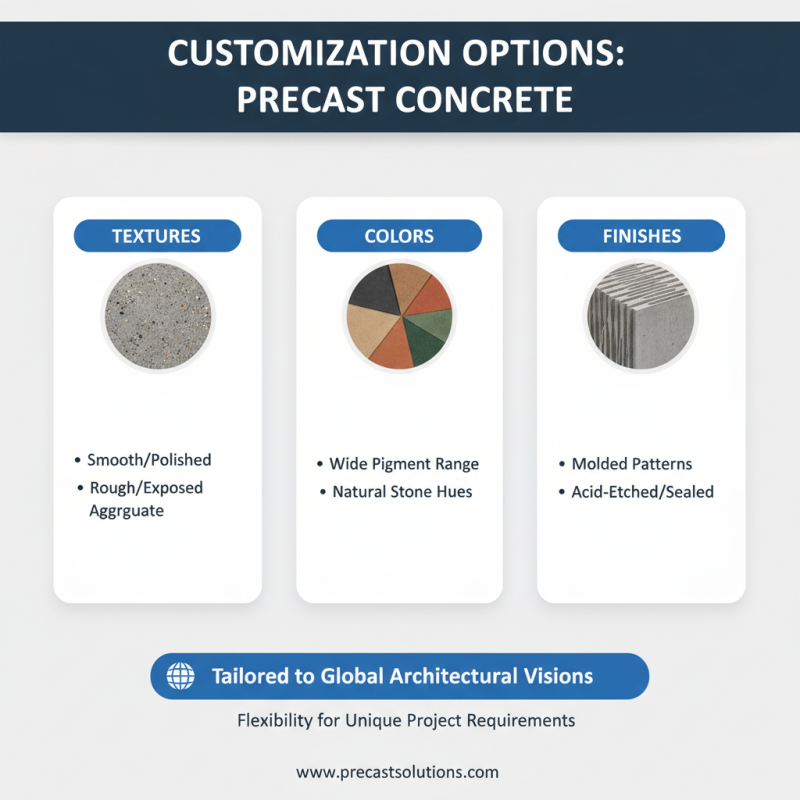
Precast concrete offers extensive customization options, making it an attractive choice for global buyers. This flexibility allows architects and builders to create structures tailored to specific project requirements. For instance, varied textures, colors, and finishes can be achieved to enhance aesthetic appeal. From smooth to rough surfaces, precast elements can complement any design vision.
Moreover, customization extends to size and shape. Precast panels can be manufactured to meet precise dimensions. This addresses the needs of unique architectural forms and complex designs. Buyers can specify unique features, such as openings for windows or doors, without compromising structural integrity.
However, it is essential to consider potential challenges. Not all manufacturers may offer the same level of customization. Some might have limitations based on their production capabilities. Therefore, having a clear vision and communicating it effectively with a reliable supplier is crucial. This approach helps ensure the desired outcome while navigating any constraints in the manufacturing process.