Top Benefits of Using Steel Posts for Fencing and Construction Projects
In recent years, the construction and fencing industries have seen a significant shift towards the use of steel posts, driven by their remarkable strength, versatility, and durability. According to a report by the American Concrete Institute, steel posts can withstand various environmental conditions far better than traditional wooden or concrete alternatives, thus reducing long-term maintenance costs for projects. The growing demand for sustainable construction materials has further propelled the use of steel, which is inherently recyclable and can reduce the carbon footprint of construction activities.
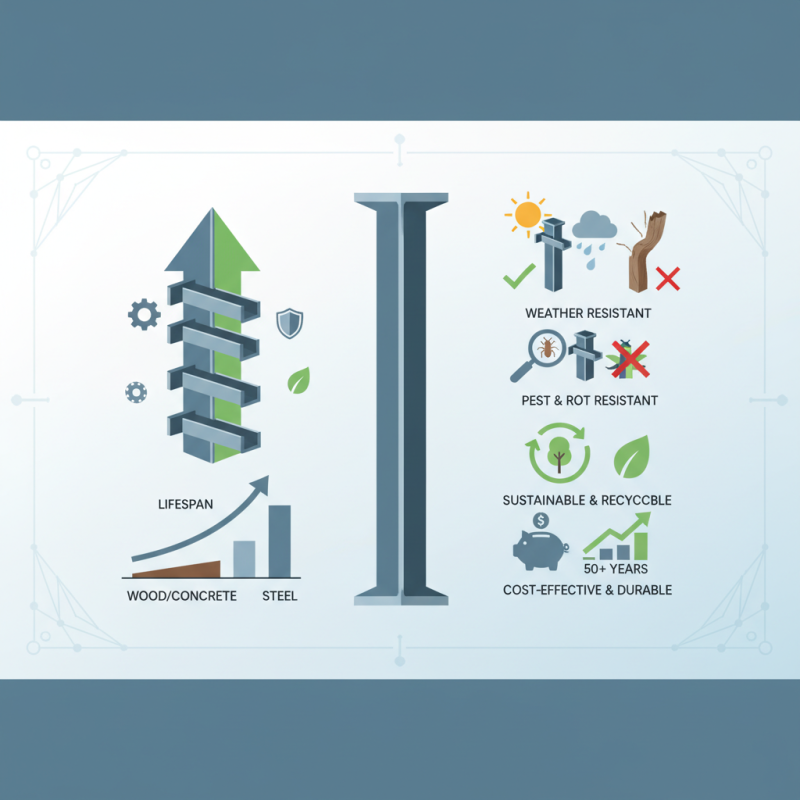
The advantages of steel posts are particularly evident in their resistance to warping, rotting, and insect damage, which can plague wooden fencing and structural applications. A study by the International Journal of Construction and Building Materials highlights that structures utilizing steel posts can last significantly longer, with lifespans extending over 50 years when properly maintained. This longevity not only enhances the overall financial viability of construction and fencing projects but also aligns with industry trends favoring sustainable practices and materials. As construction standards evolve, the integration of steel posts represents a strategic move towards resilience and efficiency in project execution.
Advantages of Steel Posts in Fencing and Construction Applications
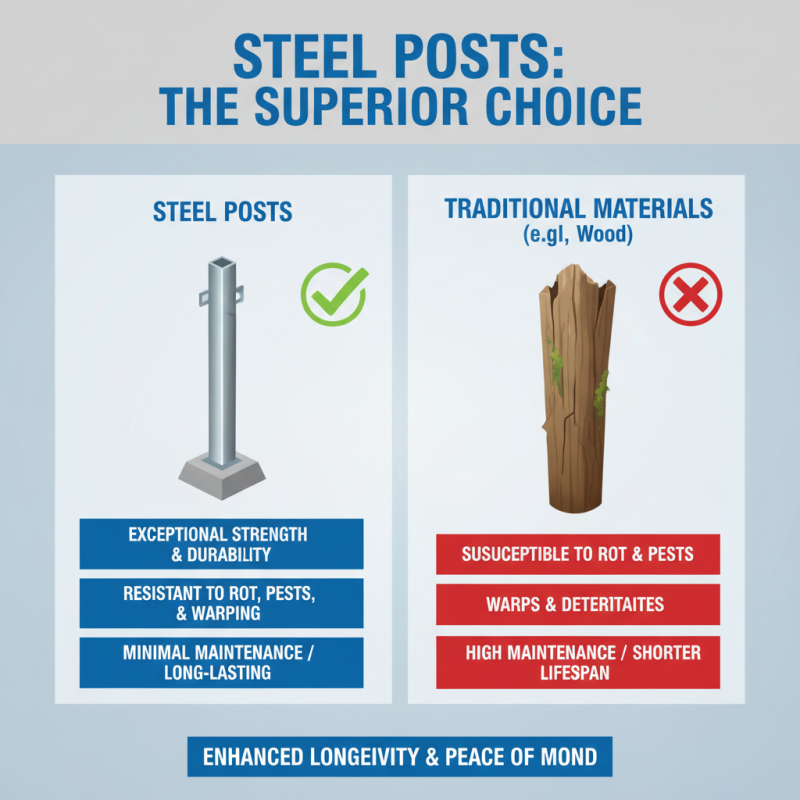
When it comes to fencing and construction applications, steel posts offer a range of advantages that make them a superior choice over traditional materials. Firstly, their exceptional strength and durability ensure that they can withstand harsh environmental conditions and physical stress. Unlike wood, which can warp, rot, or be subject to pest damage, steel posts provide a long-lasting solution that requires minimal maintenance. This resilience not only enhances the longevity of the project but also provides peace of mind for property owners and contractors alike.
Another significant benefit of using steel posts is their versatility in design and application. Steel can be easily customized to fit various aesthetic and functional requirements, making it suitable for both residential and commercial projects. Whether it's a decorative fence or a structural support in construction, steel posts can be tailored in size, shape, and finish to complement any project. Additionally, their lightweight nature simplifies installation processes, reducing labor costs and time on site. This adaptability and ease of use contribute to their growing popularity in modern construction and fencing solutions.
Durability and Longevity of Steel Posts Compared to Traditional Materials
When considering fencing and construction projects, the choice of materials can significantly impact durability and longevity. Steel posts have emerged as a superior alternative to traditional materials such as wood or vinyl. According to a report by the American Institute of Steel Construction, steel posts can last over 50 years with minimal maintenance, while wood typically succumbs to rot and pests within 15 to 20 years. This impressive lifespan highlights the long-term cost-effectiveness of investing in steel for construction projects.
Additionally, steel’s resistance to extreme weather conditions further solidifies its position as a reliable option. The National Association of Home Builders reports that steel does not warp, bend, or crack under temperature fluctuations, making it an ideal choice for areas subject to harsh climates. This durability translates to fewer repairs and replacements over time, allowing project managers to allocate budgets more efficiently.
Tips for selecting steel posts include ensuring that the galvanization process is adequate to prevent rust and corrosion, especially in environments with high moisture levels. Furthermore, consider the weight and thickness of the steel, as heavier and thicker posts provide enhanced stability for fencing applications. Lastly, always verify that the posts meet local building codes to ensure compliance and safety throughout your project.
Cost-Effectiveness: Long-Term Savings with Steel Fencing Solutions
When considering fencing and construction projects, the cost-effectiveness of steel fencing solutions is a significant advantage. According to a report from the California Steel Industries, steel fencing can offer a lifespan of over 50 years with minimal maintenance, unlike traditional wood fences, which generally need replacement or significant maintenance every 10 to 15 years. This longevity translates into considerable long-term savings, as property owners can avoid the repeated costs associated with repairs and replacements.
In addition to durability, steel's resilience against weather-related damages further enhances its cost-effectiveness. The American Iron and Steel Institute reports that steel is resistant to rot, pests, and extreme weather conditions, reducing the need for costly repairs. Furthermore, steel fencing, being recyclable, contributes to lower environmental impact costs and resources. With the increasing emphasis on sustainable construction practices, opting for steel not only secures financial savings but also aligns with eco-friendly initiatives that are becoming pivotal in modern construction and fencing projects.
Environmental Benefits of Using Recyclable Steel in Construction
One of the most significant advantages of using recyclable steel in construction is its positive impact on the environment. Steel is one of the most recycled materials globally, boasting a recycling rate of over 90%. This high recyclability reduces the demand for new raw materials, which can lead to deforestation and habitat destruction. By opting for recyclable steel, construction projects can minimize their ecological footprint, supporting sustainable practices and conserving the planet's resources.
Additionally, using recycled steel in fencing and construction helps lower greenhouse gas emissions. The production of new steel is energy-intensive, with significant CO2 emissions released into the atmosphere. Conversely, recycling steel utilizes substantially less energy, resulting in lower emissions. This not only contributes to a reduction in pollution but also aligns with eco-friendly building standards, making projects more attractive to environmentally conscious stakeholders. Furthermore, structures built with steel are often more durable and require less maintenance, leading to longer lifespans and less frequent replacement. This longevity reinforces the sustainability benefits of using steel, as it helps to ensure that resources are used efficiently over time.
Top Benefits of Using Steel Posts for Fencing and Construction Projects
This chart illustrates the environmental benefits of using recyclable steel in construction, highlighting key factors such as reduced carbon emissions, energy savings, and waste reduction.
Installation and Maintenance Ease of Steel Posts for Projects
The installation and maintenance of fencing and construction projects can significantly benefit from using steel posts. According to a report by the American Institute of Steel Construction, steel posts offer superior strength and durability compared to traditional wood or concrete alternatives. This durability translates to a longer lifespan, allowing projects to minimize replacement costs and efforts associated with maintaining posts that degrade over time. Steel posts are inherently resistant to rot, pests, and harsh weather conditions, leading to reduced maintenance needs.
Moreover, the installation process for steel posts is often more streamlined and efficient. Many construction professionals note that steel posts can be installed faster than wooden posts, reducing labor costs and project timelines. Studies show that the use of steel structures can decrease installation times by up to 30%, leading to notable productivity gains on site. Furthermore, advancements in technology, such as pre-fabricated steel systems, enhance the ease of installation, allowing contractors to optimize their workflow and focus on other critical aspects of the project.
The integration of steel posts not only supports structural integrity but also contributes to operational efficiency in the construction process.