Top 10 Benefits of Using Structural Steel in Construction?
Structural steel has transformed the construction industry, offering unmatched strength and versatility. According to the American Institute of Steel Construction, nearly 90% of commercial buildings utilize structural steel, reflecting its essential role in modern architecture. Industry expert Dr. Emily Harris states, "Structural steel not only provides design freedom but also enhances the overall sustainability of buildings."
The benefits are numerous. Structural steel allows for longer spans, reducing the need for interior columns. This feature opens up floor plans, creating more usable space. Additionally, structural steel's resilience against extreme weather conditions makes it a preferred choice for many projects. However, some professionals continue to overlook its benefits in favor of traditional materials.
Experts emphasize the importance of understanding the lifecycle of structural steel. It is not just about initial costs; sustainability factors heavily into the decision-making process. Structural steel can be recycled, reducing waste and overall environmental impact. The journey towards embracing these advantages requires continuous education and a shift in perspectives within the construction sector.
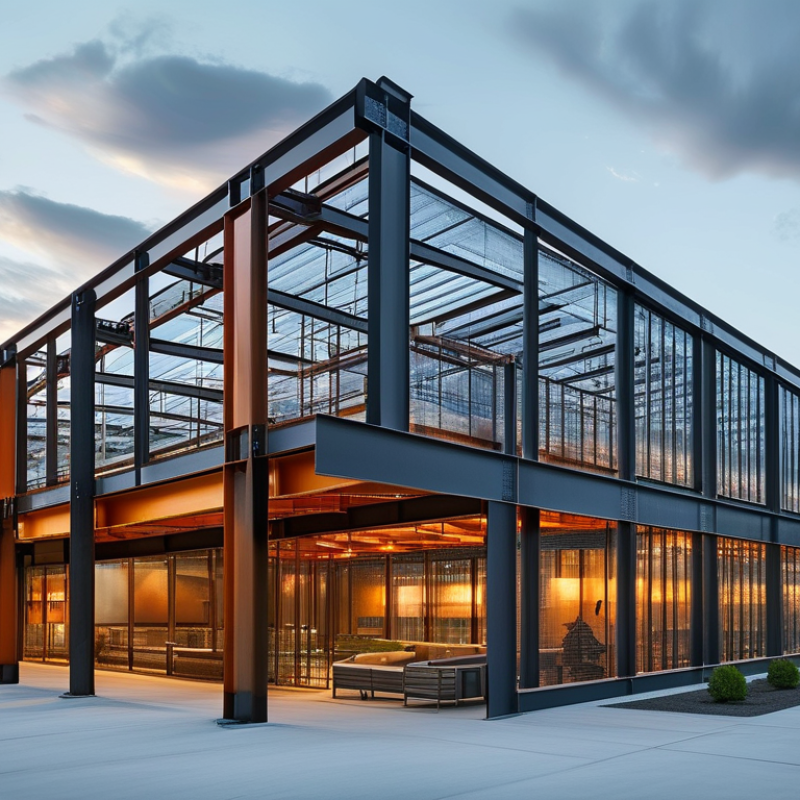
Advantages of Structural Steel: Load-Bearing Capacity and Durability
Structural steel is a formidable choice for construction, primarily due to its exceptional load-bearing capacity. According to the American Institute of Steel Construction, structural steel can support more weight per unit than many alternative materials. This is crucial in high-rise buildings, where every square foot must be efficiently utilized. Steel's strength-to-weight ratio is significant; it allows for lighter designs without compromising structural integrity. Buildings can be taller and more spacious, providing more usable area.
Durability is another key benefit of structural steel. It is resistant to common issues such as rot, mold, and pests. Data from the UK Steel reports that steel structures can have a lifespan exceeding 60 years. This longevity translates into lower maintenance costs over time. However, it’s important to note that steel can corrode if not properly treated, which may lead to structural weaknesses. Although corrosion-resistant treatments exist, they require thoughtful application and ongoing maintenance.
Using structural steel also offers flexibility in design. It can be prefabricated, reducing on-site construction time. This can save labor costs and mitigate budget overruns. A study by the Steel Construction Institute highlighted that projects utilizing steel often finish up to 40% faster than traditional methods. However, the reliance on steel also depends on proper engineering practices to avoid over-specification, which can lead to excess material use and increased costs. Balancing design, cost, and environmental impact is essential for successful projects.
Top 10 Benefits of Using Structural Steel in Construction
The chart below illustrates the top 10 benefits of using structural steel in construction, highlighting their significance in terms of load-bearing capacity, durability, and other advantages.
Cost Efficiency of Structural Steel in Construction Projects
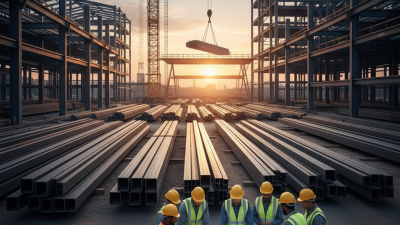
Structural steel is often touted for its cost efficiency in construction projects. This material not only provides strength and resilience, but it also offers significant savings. Projects using structural steel can reduce labor costs due to its pre-fabrication abilities. Larger steel components can be manufactured off-site, streamlining assembly. This approach cuts down on time spent on-site, enabling faster project completion.
Moreover, structural steel's lightweight nature is a game-changer. It reduces foundation costs and allows for simpler transport and handling. Builders often see fewer delays related to material handling. However, it’s crucial to acknowledge potential challenges. Steel can be subject to market fluctuations, impacting overall project budgets. Adapting to these changes can be demanding for some teams.
Additionally, using structural steel can improve energy efficiency. Steel's durability and sustainability contribute to long-term cost savings on maintenance and utilities. Nevertheless, projects must consider the upfront costs. While steel can be more expensive initially, the longevity and lower maintenance make it a worthwhile investment. Keeping a close eye on market trends and material prices is essential for effective budgeting.
Sustainability and Recyclability of Structural Steel Materials
Structural steel stands out for its sustainability and recyclability. It has a long lifecycle and can be recycled indefinitely without losing strength. This property makes it an ideal choice for environmentally conscious construction. Using recycled steel reduces the environmental impact of new steel production, which can be energy-intensive.
Consider using steel from reputable sources that prioritize sustainability. Look into local suppliers who practice responsible sourcing and minimize their carbon footprint. This approach supports the local economy while promoting ecological responsibility.
Furthermore, integrating structural steel into your project can lead to less waste. Steel components are often pre-fabricated, reducing material scraps on-site. The adaptability of steel allows for the use of innovative designs, maximizing space while minimizing material use. Embracing structural steel is not just a practical choice; it is a commitment to a greener future.
Speed of Construction: Prefabrication and Installation Benefits
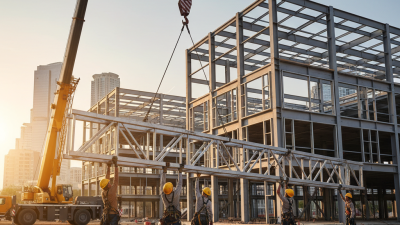
Structural steel has transformed the construction industry by enhancing the speed of construction. Prefabrication is a significant advantage. Steel components can be fabricated off-site before being transported to the construction site. This process drastically reduces on-site work and minimizes construction delays.
With quicker assembly times, projects can move rapidly from foundation to completion. Teams can work concurrently on different tasks. This overlap cuts down on the overall timeline. However, managing communication between teams is crucial. If not handled well, it can lead to mistakes.
Tips: Ensure clear communication between your team and the prefabrication facility. Regular updates will keep everyone on the same page. Also, consider the impacts of weather. Steel installations may be affected by rain or snow, despite being quicker. Planning for the unexpected can save time and resources.
Top 10 Benefits of Using Structural Steel in Construction
| Benefit |
Description |
Impact on Construction |
| Speed of Construction |
Structural steel can be prefabricated off-site, reducing on-site construction time significantly. |
Reduces labor costs and accelerates project timelines. |
| Durability |
Steel structures are resistant to extreme weather conditions and can last for decades without degradation. |
Minimizes maintenance costs and extends building lifespan. |
| Design Flexibility |
Steel can be molded into various shapes and sizes, allowing for innovative architectural designs. |
Encourages creativity and unique building designs. |
| Sustainability |
Steel is recyclable, reducing waste in construction and promoting sustainable practices. |
Supports eco-friendly building initiatives. |
| Cost-Effectiveness |
Lower material costs and reduced labor expenses contribute to more affordable construction. |
Improves profit margins for builders and developers. |
| Lightweight |
Steel is lighter than many traditional construction materials, leading to easier handling and transportation. |
Facilitates quicker project completion due to simplified logistics. |
| Safety |
Steel structures are less prone to fire and pests, increasing overall safety in construction. |
Enhances worker safety and reduces liability for builders. |
| Resilience |
Steel can withstand heavy loads and impacts, making it ideal for high-stress applications. |
Increases structural integrity and reliability in challenging environments. |
| Speedy Repairs |
Steel components can be easily replaced or repaired, minimizing downtime. |
Maintains operational efficiency of facilities. |
| Market Appeal |
Modern steel buildings are aesthetically pleasing and can enhance property value. |
Attracts potential buyers and tenants, increasing demand. |
Design Flexibility: Architectural Possibilities with Structural Steel
Structural steel plays a valuable role in modern architecture, offering designers an incredible range of possibilities. With its high strength-to-weight ratio, it allows for longer spans and lighter frames. According to a report from the American Institute of Steel Construction (AISC), structural steel can reduce construction assembly time by up to 30%. This efficiency means architects can now explore daring designs and intricate shapes that were once deemed impractical.
Many iconic buildings around the world showcase the flexibility of structural steel. Think of sweeping curves and soaring heights. These designs are not only appealing but also structurally sound. A study from the National Institute of Standards and Technology (NIST) highlights how steel's ductility provides resistance against seismic forces in high-rise buildings. However, the aesthetic potential of structural steel can sometimes come at a cost, leading to a clash between beauty and structural integrity.
Despite its advantages, there are challenges. The complexity of fabricating and assembling steel structures can introduce margin for error. Moreover, the cold, industrial look of steel isn't always suitable for every setting. Designers must strike a balance between innovation and practicality. The decision to embrace structural steel involves careful consideration of both form and function.