How to Choose the Best Composite Fireproof Doors for Your Needs?
Choosing the right Composite Fireproof Doors can be crucial for safety and protection. According to John Matthews, a leading expert in fire safety, “Quality doors can be the difference between life and death in a fire.” When selecting these doors, consider various factors like material quality, fire ratings, and installation methods. The right door protects both property and lives.
Composite Fireproof Doors are designed to withstand extreme temperatures and prevent fire spread. Their construction uses various materials that enhance durability and fire resistance. However, not all composite doors meet industry standards. It’s essential to review certifications and test results.
Many people overlook the importance of proper installation as well. Even the best door can fail if poorly installed. This highlights the need to work with experienced professionals. They can guide you in making informed choices and help ensure compliance with local codes. Meeting safety regulations is not just a formality—it’s a vital part of protecting your environment. Always test your knowledge and assumptions about safety measures in your own spaces.
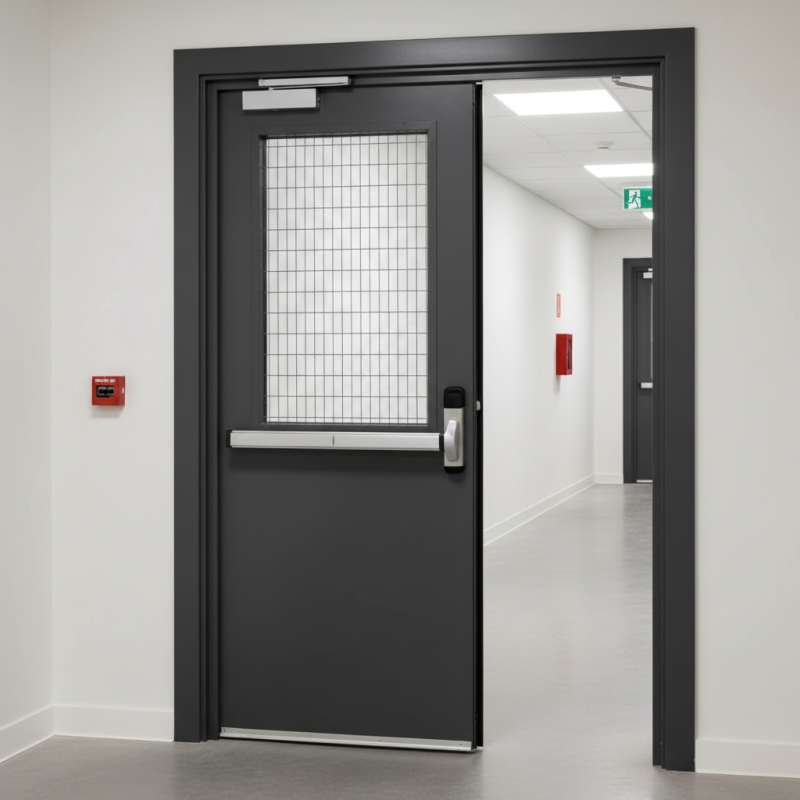
Understanding the Importance of Fire Ratings for Doors
When selecting composite fireproof doors, understanding fire ratings is crucial. Fire ratings indicate how long a door can withstand flames and heat. These ratings are measured in minutes, typically ranging from 20 to 90 minutes. Knowing the fire rating helps ensure you choose a door that meets local safety regulations and protects your property effectively.
Tips for selecting the right door include assessing your building's specific risks. Different areas may have varying fire hazards. Consider also the materials of the door. Composite doors typically offer better insulation and durability. Examine the installation process. Proper fitting ensures optimal performance and adherence to fire safety standards.
Lastly, don’t overlook maintenance. Regular checks are essential to ensure doors remain effective over time. Small damages may not seem significant but can impact fire ratings. Reflect on your past experiences with fire safety. Did previous choices lead to concerns? Learn from those moments to make informed decisions now.
Identifying Material Properties of Composite Fireproof Doors
When selecting composite fireproof doors, understanding material properties is vital. Composite doors typically combine multiple materials to enhance fire resistance and durability. They often incorporate a blend of wood, fiberglass, and steel. Research shows that these materials can withstand high temperatures, with some composite doors rated for up to two hours of fire exposure.
Composite fireproof doors are praised for their structural integrity. The National Institute of Standards and Technology (NIST) indicates that composite materials can demonstrate improved thermal performance under fire conditions. However, not all composites are created equal. Variability in construction quality and material sourcing can affect overall performance. A report from the International Fire Protection Association (IFPA) emphasizes the need for rigorous testing standards to ensure reliability.
The weight and density of the composite materials also play a crucial role. Heavier doors tend to provide better fire resistance. They deter heat transfer, which is essential during a fire emergency. Yet, this added weight can pose installation challenges. Some installations may require special equipment, which could complicate the process. As with any fire safety solution, thorough assessments and professional opinions are advisable to determine the best choice for specific applications.
How to Choose the Best Composite Fireproof Doors for Your Needs?
| Property | Description | Importance | Standard Rating |
| Material Composition | Typically made from a combination of wood fiber, thermosetting resins, and additives. | Determines durability and fire resistance. | Classified under ASTM E119 |
| Fire Rating | Indicates the duration the door can withstand fire exposure. | Critical for safety compliance in buildings. | 30, 60, or 90 minutes |
| Thickness | Varies based on design and fire rating requirements. | Influences sound insulation and structural integrity. | 1.75 inches (standard) |
| Core Material | Fire-resistant composite or mineral core for improved stability. | Enhances overall fire performance. | NFPA 80 compliant |
| Finish Options | Available in paint, laminate, or veneer finishes. | Affects aesthetic appeal and maintenance. | Customizable |
| Warranty | Manufacturer's guarantee for defects and performance. | Provides assurance of quality. | 5 to 10 years |
Comparing Standard Dimensions and Custom Sizes for Your Space
When selecting composite fireproof doors, it's essential to consider standard dimensions versus custom sizes. Standard doors typically range from 24 to 36 inches in width, accommodating many spaces. However, a report from the National Fire Protection Association (NFPA) reveals that custom sizes can significantly enhance safety and fit. Custom sizes allow for proper sealing and reduce fire spread risk.
Tips: Measure your space carefully before deciding. Small discrepancies can lead to gaps, compromising fire safety.
Custom fireproof doors come with precise specifications that match your unique requirements. A study showed that tailored doors could withstand fire for over 90 minutes, significantly more than some standard options. It's vital to match your door size with local building codes for maximum compliance.
Consider the aesthetics too. Standard doors may lack the visual appeal needed for your space. Customization allows for finishes that complement your design without sacrificing function.
Tips: Seek out multiple evaluations. Input from fire safety professionals can guide your choice and ensure reliability.
Evaluating Industry Certifications and Compliance Standards
When selecting composite fireproof doors, evaluating industry certifications and compliance standards is crucial. These certifications indicate whether the doors meet rigorous safety requirements. Look for certifications such as UL 10B or NFPA 80. These standards ensure that the doors can withstand high temperatures and prevent the spread of fire.
Understanding compliance is essential for safety and liability. A properly certified door offers peace of mind in critical situations. Not all fire doors are created equal. Some may claim fire resistance but lack the necessary documentation. This can lead to significant risks during a fire emergency.
Choosing compliant doors also impacts insurance coverage. Insurers often require proof of certification. Failing to provide this can result in complications during a claim process. Ensure that the documentation is clear and accessible. This attention to detail is not just a formality; it's a necessary step in protecting lives and property.
Assessing Cost-Effectiveness and Long-Term Value of Fireproof Doors
When assessing fireproof doors, cost-effectiveness is crucial. High-quality composite fireproof doors offer durability and safety. These doors resist extreme heat, protecting lives and property. Often, the initial investment may seem high. However, the protection they provide can save you from greater losses in a fire.
Over time, fireproof doors can prove their worth. They often require less maintenance than standard doors. This reduces ongoing costs significantly. Consider the potential loss from a fire incident. The investment in a composite fireproof door may pay off in the long term. Some manufacturers offer great warranties. Analyze these offers carefully for long-term value.
Every building has unique needs. It's wise to evaluate the specific requirements of your space. Take into account the fire ratings of different doors. Not all fireproof doors are equal. Some may look appealing but lack true door integrity. Understand the importance of continuous assessment. Noticing small flaws early can save money down the line.