Discover the Best Custom Interior Doors for Your Home?
Choosing the right custom interior doors can transform your home. These doors not only serve a functional purpose but also enhance the aesthetic appeal of your living space. According to industry reports, the market for interior doors is expected to grow significantly, driven by the increasing demand for personalization in home design.
Custom interior doors allow homeowners to express their unique styles. From materials to styles, the options are vast. This versatility is important; 70% of homeowners prioritize aesthetics when renovating. However, it’s crucial to balance design with functionality, as poorly chosen doors can cause issues over time.
Investing in quality is essential. Studies suggest that well-crafted custom interior doors can improve both home value and energy efficiency. Nevertheless, homebuyers often overlook this aspect. Therefore, it’s vital to remain mindful and choose wisely, ensuring your doors not only please the eye but also stand the test of time.
The Importance of Custom Interior Doors in Home Design Trends
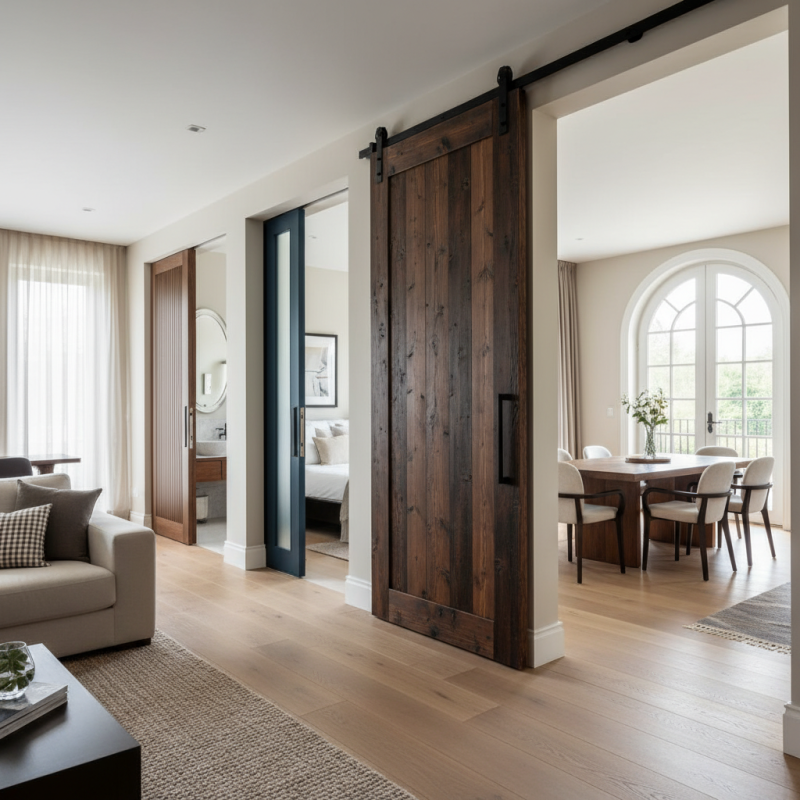
Custom interior doors play a significant role in home design trends. They are not just functional elements; they serve as artistic statements that can transform a space. The right door can enhance the aesthetics of your home, adding character and warmth. When designed thoughtfully, these doors create a cohesive look throughout your interiors.
Many homeowners overlook the value of custom doors. They often settle for standard designs, missing an opportunity to express their personal style. Custom doors allow for unique shapes, finishes, and materials. Consider using reclaimed wood or sleek glass to make a bold statement. Pay attention to hardware choices as well, as they can affect the overall vibe of your space.
Choosing the right custom door requires careful thought. It's essential to think about the balance between aesthetics and functionality. In some cases, an intricate design may not suit daily use. Reflecting on the practicality of your selection can lead to more satisfying results. A well-chosen door can elevate your home, but it’s vital to ensure it meets your lifestyle needs.
Discover the Best Custom Interior Doors for Your Home
Custom interior doors are increasingly important in home design trends. This chart illustrates the popularity of different types of custom interior doors based on current home design preferences. Wood doors remain the most popular choice, favored for their aesthetics and durability.
Key Materials Used in Manufacturing Custom Interior Doors
When choosing custom interior doors, the materials play a crucial role in both aesthetics and functionality. Wood, a classic choice, offers warmth and versatility. According to the American Wood Council, solid wood doors can enhance a home's insulation properties by around 15%. These doors provide a natural look that can easily fit any style, yet they require regular maintenance to avoid warping.
Another popular material is MDF (Medium-Density Fiberboard). This engineered wood offers a smooth finish and is resistant to bending or cracking. It can provide an affordable option for homeowners, as reported by the National Association of Home Builders. While MDF doors can replicate wood tones effectively, they may lack some durability in high-humidity areas.
For a more contemporary feel, glass is often incorporated into custom doors. Frosted or tempered glass can offer privacy while allowing light to flow through. However, glass doors may necessitate more frequent cleaning due to smudging and fingerprints. Exploring these materials gives homeowners a range of choices, but each comes with its set of pros and cons that require careful consideration.
Understanding Different Styles of Custom Interior Doors for Home Aesthetics
When it comes to custom interior doors, the styles available can dramatically influence your home’s aesthetics. From classic designs to modern interpretations, each type of door adds unique character to a space. A solid wood door exudes warmth and timeless charm, while a glass-paneled door can introduce light and an open feel. You might consider pairing different styles for varied rooms; consistency can be key, but a little contrast can spark interest.
Explore the intricate details of each door style. Raised panel doors boast a three-dimensional look, providing depth and visual appeal. On the other hand, flat panel doors offer a sleek, minimalist vibe that's perfect for contemporary settings. Keep in mind, materials play a critical role. Choosing the right wood or finish can enhance or detract from your design intent. Balancing aesthetics with functionality can be challenging; finding the doors that resonate with you may require some trial and error.
Additionally, reflect on how each door interacts with your existing decor. A bold color could stand out beautifully against neutral walls, but it might also clash with certain furnishings. Don’t hesitate to experiment, even if it doesn’t always work out. Embrace the journey of discovery as you select the perfect custom interior doors for your haven.
Discover the Best Custom Interior Doors for Your Home
| Style | Material | Texture | Color Options | Price Range |
| Traditional | Wood | Smooth | Brown, White | $300 - $700 |
| Modern | Glass | Textured | Frosted, Clear | $500 - $1,200 |
| Rustic | Reclaimed Wood | Distressed | Gray, Earth tones | $400 - $900 |
| Contemporary | Metal | Smooth | Silver, Black | $600 - $1,500 |
| Craftsman | Wood | Paneled | Natural, Stained | $350 - $800 |
Measuring for Perfect Fit: Ensuring Your Custom Door Specifications
Measuring for custom interior doors is crucial. Accurate measurements ensure a seamless fit. Begin by measuring the height, width, and thickness of the door frame. Take note of any irregular shapes around the frame. Use a reliable tape measure for precision.
Consider the swing direction of the door. This affects both functionality and design. Pay attention to where the hinges will be placed. Include space for hardware in your measurements. Remember that walls may not be perfectly straight, which can complicate the installation.
It’s okay to have questions during this process. Many homeowners struggle with exact measurements. A small error can lead to needing adjustments later, which can be frustrating. Even experienced DIYers sometimes measure incorrectly. Double-check your numbers before placing an order. Taking that extra moment could save time and effort.
Cost Analysis: Budgeting for Custom Interior Door Installation and Materials
When considering custom interior doors, budgeting is essential. The average cost for materials and installation can vary significantly. Reports indicate that homeowners typically spend between $1,000 and $2,500 for custom doors, depending on size and material. Solid wood options often price higher than alternatives.
Installation costs can also add up. Professional labor rates vary, usually ranging from $60 to $100 per hour. Installation may take a few hours to a full day. Keep in mind, errors in measurement can lead to extra expenses. It's critical to measure accurately and plan ahead.
Materials play a crucial role in your budget. A study shows that using sustainable materials may cost more initially, yet they offer long-term savings through durability. Consider the return on investment. Choosing the right door structure can enhance home value, but it requires careful thought. Always verify the quality of materials before making a choice.