Best Flange Types for Global Buyers to Consider?
When considering the best Flange Types, global buyers must navigate numerous options. Flange type selection is crucial for various applications, including piping systems, construction, and machinery. Each flange type offers specific benefits and challenges that impact performance and durability.
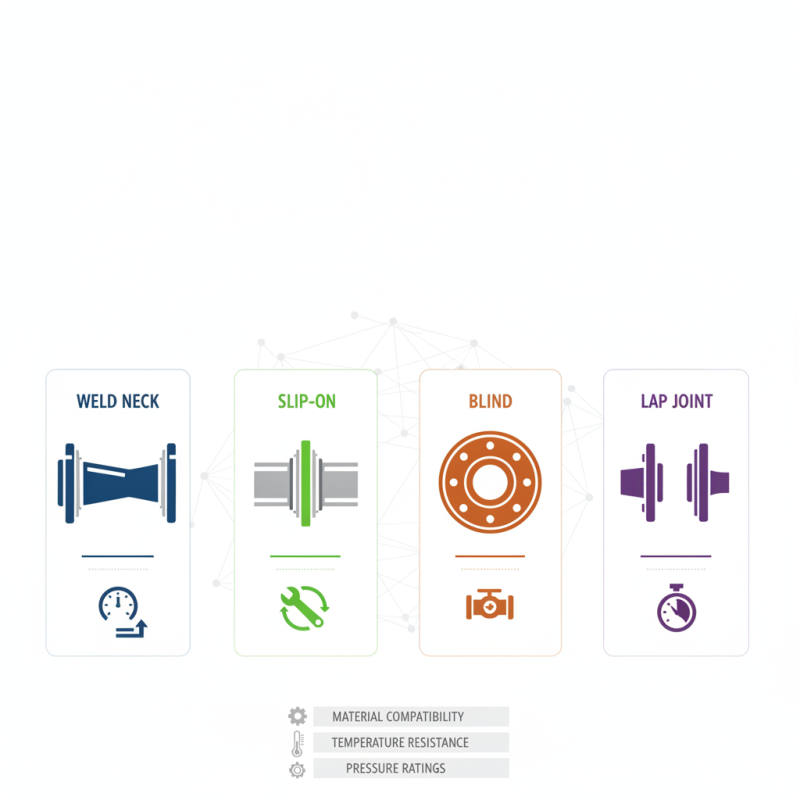
Some common types include weld neck, slip-on, blind, and lap joint flanges. Each flange type serves different purposes and environments. For instance, weld neck flanges excel in high-pressure scenarios. Meanwhile, slip-on flanges are often chosen for their ease of installation. However, the wrong choice can lead to issues like leaks or structural failures.
Buyers must evaluate their unique needs and consider factors like material compatibility, pressure ratings, and temperature resistance. With a variety of options available, the decision is complex and requires careful thought. Knowledge of flange types and their applications will enhance decision-making, but even experts sometimes overlook critical details. Understanding nuances and potential pitfalls is essential in ensuring success in sourcing the right flange type.
Types of Flanges Commonly Used in Global Industries
When selecting flanges, it's vital to understand the types available in global industries. Flanges serve as crucial joints in piping systems, allowing easy assembly and disassembly. Manufacturers often choose among weld neck, slip-on, and blind flanges. Each type has unique applications in various sectors.
Weld neck flanges are the go-to choice for high-pressure systems. They provide strong connections between pipes, making them reliable in demanding environments. Slip-on flanges, while simpler, require less precision during installation. However, they may not handle intense pressure well. Blind flanges, which cover open ends, are essential for maintenance, preventing leaks and securing systems.
Choosing the right flange involves consideration of many factors. Some applications demand high strength, while others prioritize cost-efficiency. Industry-specific requirements often dictate flange materials and grades. Global buyers risk costly mistakes if they overlook these details. Attention to these nuances can enhance operational efficiency and safety.
Material Selection for Flanges: Steel, PVC, and More
When selecting materials for flanges, options like steel and PVC stand out. Steel flanges are known for their strength and durability. They handle high pressure and temperature very well. Their robustness makes them a popular choice in heavy industries. However, they can be prone to corrosion if not properly coated or maintained. It may lead buyers to think twice.
On the other hand, PVC flanges are lightweight and resistant to chemicals. They are often used in plumbing and low-pressure applications. While they resist corrosion, their temperature tolerance is limited. This can create problems in specific environments. Buyers should be aware of application needs before making a choice.
Overall, the decision should reflect careful consideration of material properties. Each material has strengths and weaknesses. Steel may excel in durability but requires upkeep. PVC is easier to handle but has limitations on heat. Understanding these nuances can enhance project outcomes significantly.
Pressure Ratings: Understanding ANSI/ASME Standards
When it comes to flanges, understanding pressure ratings is crucial. ANSI and ASME standards define these ratings, which guide manufacturers and buyers alike. Flanges can withstand varying amounts of pressure, depending on their specifications. These ratings help ensure safety in piping systems across industries.
Some important tips are worth considering. Always check the pressure rating before selecting a flange. Opt for flanges that exceed your system's maximum pressure when possible. This creates a safety buffer. Be aware that temperature affects pressure ratings. Elevated temperatures can lower the strength of materials. Assess both pressure and temperature when making decisions.
Consider the material of the flanges, as it can impact performance. For example, certain alloys are better suited for high-pressure applications. It's also helpful to consult technical resources to understand the compatibility of flange types with your system. Sometimes, the simplest options are overlooked. Evaluate every aspect carefully to avoid costly mistakes.
Best Flange Types for Global Buyers to Consider - Pressure Ratings: Understanding ANSI/ASME Standards | Flange Type | Pressure Rating (PSI) | Material | Common Applications |
| Weld Neck Flange | 150 - 2500 | Carbon Steel, Stainless Steel | Pipelines, Pressure Vessels |
| Slip-On Flange | 150 - 3000 | Carbon Steel, Alloy Steel | General Purpose, Low Pressure Systems |
| Blind Flange | 150 - 2500 | Carbon Steel, Stainless Steel | End of Pipe, Testing & Maintenance |
| Socket Weld Flange | 150 - 3000 | Stainless Steel, Nickel Alloys | High Pressure Systems, Small Diameter Piping |
| Lap Joint Flange | 150 - 1500 | Carbon Steel, Stainless Steel | Piping Systems with Changeable Connections |
Applications of Flanges in Various Sectors: Oil, Gas, and Water
Flanges serve critical roles across various industries, especially in oil, gas, and water sectors. In oil and gas applications, flanges connect pipes, enabling the flow of these essential resources. Weld neck flanges are commonly used here due to their strength. These flanges can handle high pressure and temperature. However, their installation can be complex and may require skilled labor.
In water treatment and distribution, flanges ensure seamless connections between pipes and tanks. Slip-on flanges are often favored for their ease of use. They can be quickly aligned and fitted. Yet, they may lack the robustness needed for extreme conditions. It's essential to assess the environment when choosing. Flanges must match the specific needs of each application. Some flanges corrosion may also diminish performance over time.
Considering applications in these sectors highlights the importance of material selection. The right material can significantly impact adhesion and durability. While steel flanges are durable, plastic alternatives may be appropriate for certain water applications. Each choice carries implications. Decision-makers should carefully evaluate the environment, pressure, and fluid type.
Best Flange Types for Global Buyers to Consider
Trends Driving the Global Flange Market: Demand and Innovations
The global flange market is evolving rapidly. Innovations in materials and design are shaping how buyers and manufacturers approach flanges. Growing industries such as oil and gas, construction, and water treatment are driving demand. Sustainable practices are also influencing choices. For instance, lightweight and corrosion-resistant materials are gaining popularity.
**Tips**: Look for suppliers that focus on sustainable materials. This can save costs in long-term maintenance.
Emerging technologies are changing production methods. Advanced machining techniques and automation are enhancing precision. This leads to higher quality and lower waste during production. As industries seek competitive advantages, flanges that can withstand extreme conditions are becoming essential.
**Tips**: Evaluate the specific requirements of your projects before choosing a flange type. Consider factors like pressure, temperature, and material compatibility.
Even as trends emerge, some challenges remain. Inconsistent quality and supply chain disruptions can lead to delays. Buyers must stay informed about market fluctuations. Engaging with multiple suppliers and staying updated on innovations can mitigate risks. Being proactive in this market is crucial to success.