
What Is the Best Steel Panel Made in China?
What Is the Best Steel Panel Made in China? The answer depends on the project, not on a simple factory ranking. A warehouse roof, cold-storage wall, and cleanroom enclosure require different panel structures. Thickness, core material, coating, fire performance, and installation conditions all matter. The strongest choice balances these details with verified manufacturing quality.
A reliable evaluation begins with evidence. Check the steel grade, coating weight, panel density, thermal conductivity, and dimensional tolerance. Ask for current test reports, production samples, and traceable quality records. Factory visits can reveal practical details that brochures often hide, such as uneven edges, poor joint fitting, or inconsistent surface finishes. Small defects matter. They can become leaks, corrosion points, or visible alignment problems after installation.
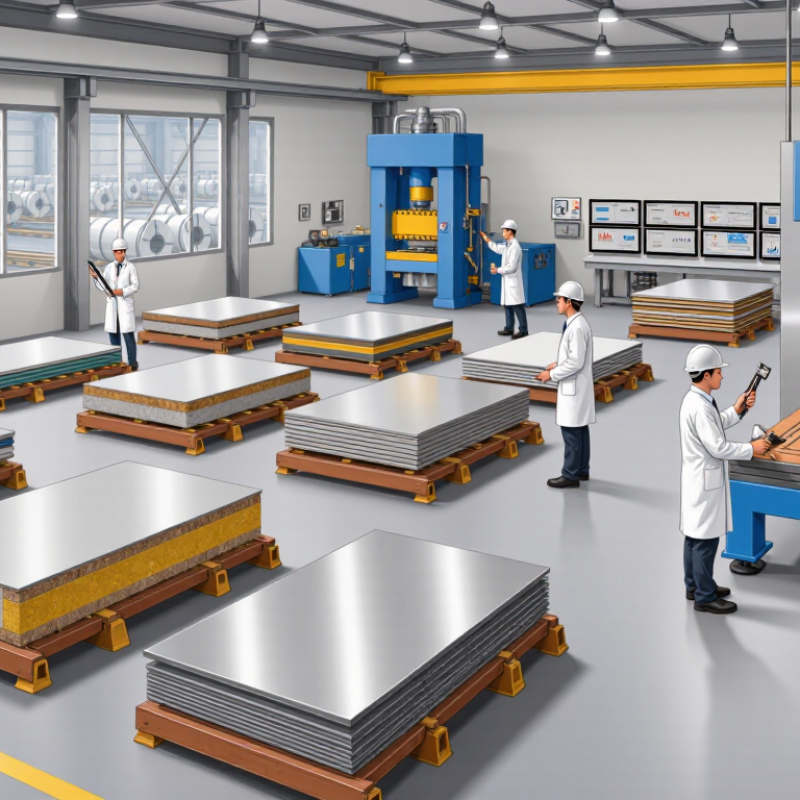
Supplier experience also deserves close attention. A capable Chinese manufacturer should explain its process clearly, from coil preparation to foaming, pressing, curing, and final inspection. It should understand the standards required in your market and provide documentation that independent parties can review. Yet no supplier is perfect. A polished website does not prove long-term performance, and one successful project cannot guarantee every batch. The best steel panel is therefore the one supported by suitable specifications, repeatable testing, dependable communication, and realistic project references. This guide compares those factors carefully, while acknowledging an uncomfortable truth: the cheapest panel may look efficient today, but its hidden maintenance costs could appear much later.
Types of Steel Panels Made in China
What Is the Best Steel Panel Made in China?
Types of Steel Panels Made in China
Steel panels made in China are not one uniform product. Their performance depends on the panel type, steel grade, coating, and manufacturing controls. Galvanized steel panels are common for roofing, walls, ducts, and industrial enclosures. A zinc coating helps resist moisture, but damaged edges can still rust.
Pre-painted steel panels add color and extra surface protection. They suit warehouses, workshops, agricultural buildings, and commercial facades. Color retention depends on the paint system and local sunlight. Some low-cost coatings fade earlier than expected. That detail deserves attention.
Corrugated panels offer drainage and useful bending strength. Their rib height affects stiffness and installation spacing. Sandwich panels combine steel skins with insulation cores, such as rock wool, polyurethane, or expanded polystyrene. Rock wool supports stronger fire resistance, while polyurethane usually provides better thermal insulation in thinner sections. Fire performance must follow local building codes.
Stainless steel panels fit humid, corrosive, or hygiene-sensitive environments. They cost more, but cleaning is easier. Checker plates provide a raised surface for floors, platforms, and equipment areas. They are practical, though their pattern can collect dirt.
A reliable selection process checks thickness, coating mass, tensile strength, core density, and dimensional tolerance. Factory test reports help, but independent inspection is safer for large orders. Ask for sample panels. Measure them yourself. Small variations can complicate installation. In practice, the “best” panel is the one matching the climate, load, fire needs, budget, and maintenance plan.
What Is the Best Steel Panel Made in China? - Types of Steel Panels Made in China
| Steel Panel Type | Typical Structure or Coating | Common Thickness Range | Key Advantages | Limitations | Best-Suited Applications | Overall Selection Profile |
|---|---|---|---|---|---|---|
| Color-Coated Corrugated Steel Panel | Cold-formed profiled steel sheet with a metallic coating, commonly zinc or aluminum-zinc, plus a protective paint layer. | Approximately 0.30–0.80 mm steel substrate; profile depth varies by design. | Lightweight, economical, fast to install, available in many colors, and suitable for sloped roofs and wall cladding. | Lower sound insulation than insulated panels; exposed cut edges require proper protection; performance depends on coating quality and installation. | Residential, agricultural, commercial, and light industrial roofs and walls. | Best for cost-efficient exterior cladding |
| Galvanized Steel Panel | Steel sheet protected by a zinc coating applied through a continuous hot-dip galvanizing process. | Approximately 0.40–2.00 mm, depending on structural and cladding requirements. | Good corrosion resistance, reliable formability, broad availability, and compatibility with painting or further fabrication. | Visible zinc surfaces may weather unevenly; severe industrial or marine exposure may require an additional coating system. | Roofing components, wall panels, ductwork, framing, and general construction. | Best for versatile general-purpose use |
| Aluminum-Zinc-Coated Steel Panel | Steel substrate coated with an aluminum-zinc alloy, often used with a pre-painted finish for additional protection. | Approximately 0.35–1.20 mm for common roofing and wall applications. | Strong corrosion resistance in many atmospheric environments, good heat reflectivity, and durable performance when correctly specified. | Cut edges and areas in contact with incompatible materials may require attention; not automatically suitable for every coastal or chemical environment. | Long-life roofs, wall cladding, warehouses, workshops, and prefabricated buildings. | Best for enhanced atmospheric durability |
| Insulated Sandwich Panel | Two steel facings bonded to a rigid insulation core, commonly mineral wool, polyurethane, or polyisocyanurate. | Approximately 40–200 mm total panel thickness, depending on thermal and fire requirements. | Combines enclosure, thermal insulation, and rapid installation; can reduce heat transfer and construction time. | Fire, smoke, moisture, and joint performance vary by core material and tested assembly; repairs can be more complex than single-sheet cladding. | Cold rooms, factories, logistics buildings, clean areas, and temperature-controlled facilities. | Best for thermal efficiency and fast construction |
| Rock Wool Core Steel Panel | Double steel facings with a mineral wool core designed for thermal and acoustic insulation. | Approximately 50–150 mm total panel thickness. | Non-combustible mineral core, good acoustic absorption, and strong fire-resistance potential when tested as a complete system. | Heavier than foam-core panels; joints and edge details must be protected against moisture; load capacity depends on panel design. | Industrial buildings, fire-sensitive facilities, partitions, and acoustic enclosures. | Best for fire-conscious and acoustic applications |
| Polyurethane or PIR Insulated Panel | Steel facings bonded to a closed-cell polyurethane or polyisocyanurate insulation core. | Approximately 40–200 mm total panel thickness. | High thermal resistance relative to thickness, low water absorption when properly sealed, and efficient installation. | Fire behavior depends on the exact core, facings, joints, and tested assembly; ultraviolet exposure should be avoided on unprotected core material. | Cold storage, food-processing areas, warehouses, and energy-efficient building envelopes. | Best for high insulation value with lower weight |
| Standing Seam Steel Roof Panel | Long, concealed-fastener metal panels joined by raised vertical seams; commonly produced from coated steel. | Approximately 0.45–0.90 mm steel thickness. | Clean appearance, reduced exposed fasteners, good drainage when correctly designed, and suitability for long roof runs. | Requires accurate detailing for expansion, penetrations, clips, and seam installation; specialized workmanship may increase labor cost. | Commercial roofs, industrial buildings, institutional projects, and modern architectural designs. | Best for durable low-maintenance roof design |
| Perforated or Acoustic Steel Panel | Perforated steel face sheet, usually backed by acoustic insulation or a sound-absorbing assembly. | Approximately 0.60–1.50 mm face sheet thickness. | Improves sound control, provides a durable cleanable surface, and can be used for interior or protected exterior applications. | Perforations can reduce corrosion protection if not properly finished; acoustic performance depends on perforation pattern, backing, and installation. | Factories, transport facilities, auditoriums, equipment rooms, and interior partitions. | Best for sound management |
| Stainless Steel Panel | Corrosion-resistant alloy steel sheet, commonly selected in austenitic or ferritic grades according to the environment. | Approximately 0.50–3.00 mm for architectural and equipment cladding. | Excellent appearance, hygiene, cleanability, and corrosion resistance in demanding environments when the correct grade is selected. | Higher material cost; surface contamination, chlorides, and poor fabrication practices can still cause staining or corrosion. | Food processing, medical facilities, kitchens, laboratories, and architectural interiors. | Best for hygiene and demanding corrosion conditions |
| Weathering Steel Panel | Low-alloy steel designed to develop a protective rust-like patina under suitable wet-dry atmospheric conditions. | Approximately 2.00–12.00 mm for architectural and structural cladding uses. | Distinctive appearance, reduced need for conventional painting in suitable environments, and strong structural potential. | Not recommended for continuously wet, marine, or poorly ventilated locations; runoff can stain adjacent surfaces. | Architectural facades, landscape structures, bridges, and outdoor design features. | Best for architectural appearance and patina finish |
Related Posts
-
2026 Top Metal Posts for Global Buyers to Consider
-

China Top Steel Framing Solutions for Modern Construction Methods?
-
2026 How to Choose the Best Composite Deck for Your Outdoor Space?
-
How to Choose the Right Metal Framing Systems for Your Construction Project
-
How to Choose the Best Composite Deck Joists for Long-lasting Durability and Performance
-

Top 10 Benefits of Precast Concrete for Modern Construction Projects