2026 How to Build a Composite Deck That Lasts for Years?
Building a composite deck that endures for years is a rewarding project. Composite decks combine durability with aesthetic appeal, making them a popular choice. According to the Composite Lumber Manufacturers Association, the demand for composite decking materials has increased by 25% in the past five years. Homeowners appreciate its low maintenance requirements, but the initial cost can be a deterrent.
Quality matters. A well-built composite deck can last up to 30 years, but improper installation can lead to problems. Up to 15% of homeowners experience issues due to inadequate preparation. Choosing the right materials is vital. Research shows that high-density composites resist fading and scratching better than lower-grade options.
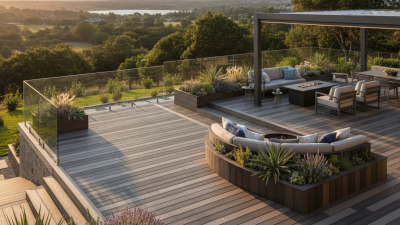
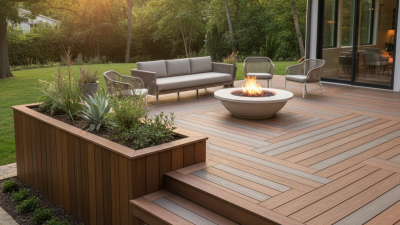
It's essential to reflect on your design choices. While trends change, a classic style often withstands time. Accessories like lighting and railings should complement the deck's aesthetics. Many overlook these details, yet they are crucial for longevity and usability. Considering these factors will help ensure your composite deck remains an asset for years to come.
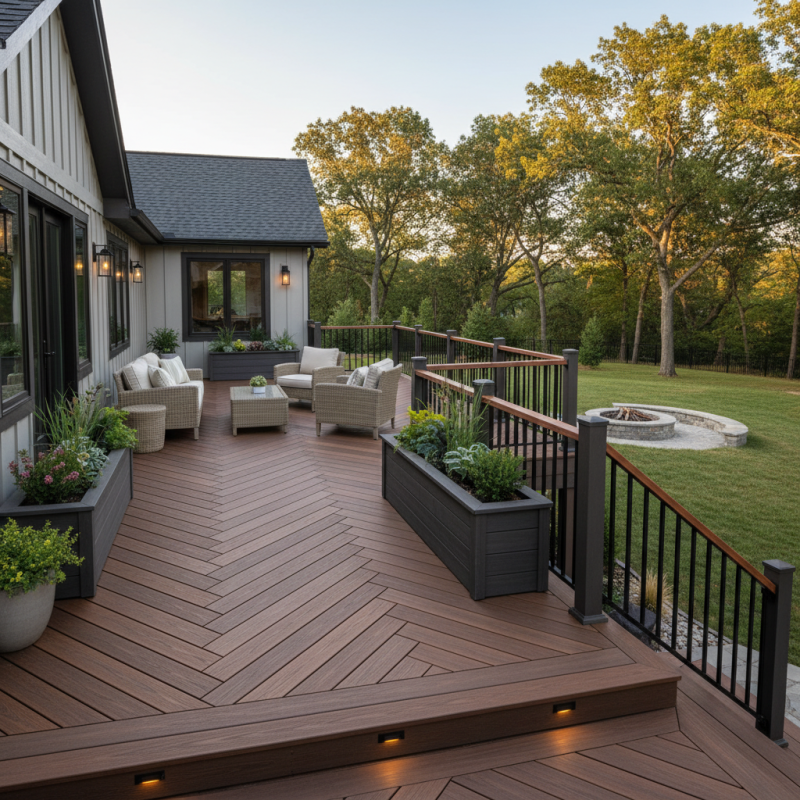
Choosing the Right Composite Decking Materials for Longevity
Choosing the right composite decking materials is crucial for long-lasting durability. Data indicates that high-quality composite materials can last up to 25 years with proper maintenance. In contrast, lower-end options may deteriorate within a decade. It’s essential to evaluate the material composition. Most reliable composites include a mixture of wood fibers and recycled plastics, enhancing resistance to moisture and pests.
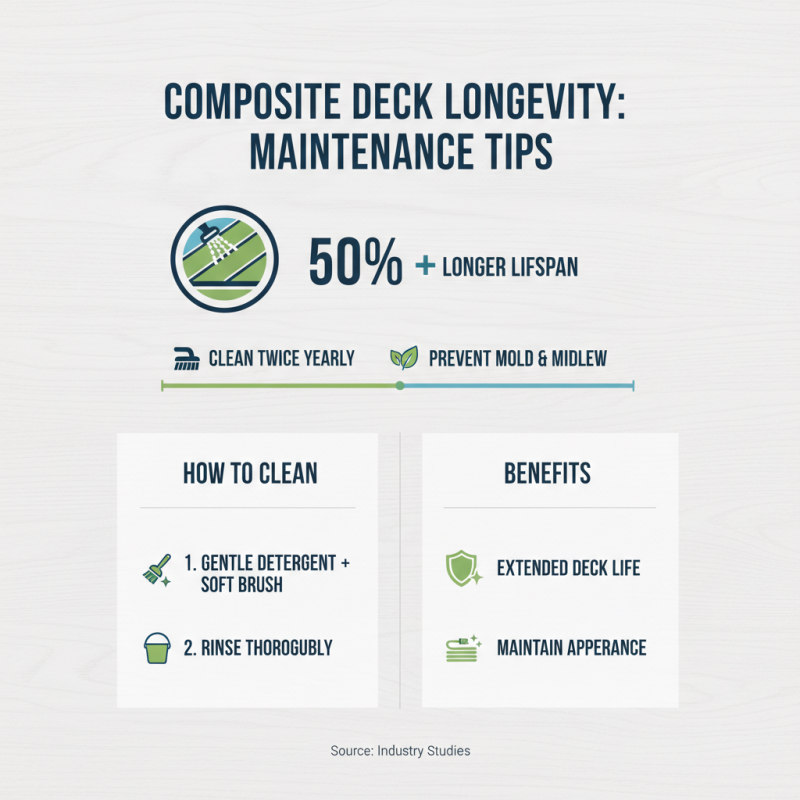
Not all composite decking is created equal. Some manufacturers utilize low-density polyethylene, which may lead to warping and fading over time. According to industry reports, composite decks with higher density tend to outperform their counterparts. Proper installation is another factor influencing longevity. Incorrectly installed decks can result in sagging and premature wear. It's worth noting that even premium materials require regular cleaning to prevent mold and mildew build-up.
When selecting materials, consider environmental impact as well. Many composites incorporate recycled items, reducing the demand for virgin resources. However, some low-cost options may contain harmful chemicals. These substances can leach into the environment, creating concerns for homeowners. It’s essential to weigh cost against performance and environmental safety. This reflection can guide better decision-making.
2026 Composite Decking Longevity Comparison
Preparing the Installation Site for a Durable Composite Deck
Preparing the installation site for a composite deck is crucial. A solid foundation ensures durability and longevity. Begin with a thorough site assessment. You need to check for drainage issues. Poor drainage can lead to rotting or warping over time.
Consider the ground condition. Remove any debris, rocks, or uneven soil. It's essential to have a flat surface. If there are soft spots, fix them. This step often gets overlooked, but it impacts deck stability. Use a level to confirm your work.
Tips: Compact the soil thoroughly. A compacted base reduces settling. Also, installing a layer of gravel aids drainage. This simple addition can save you trouble later.
Don't forget about the frame. Ensuring proper spacing between support beams is vital. Incorrect spacing can weaken the structure. Take your time here. Even small mistakes can lead to big problems down the line. Reflect on your progress and ensure everything is in place before proceeding.
2026 How to Build a Composite Deck That Lasts for Years? - Preparing the Installation Site for a Durable Composite Deck
| Aspect |
Consideration |
Recommended Practices |
Expected Outcome |
| Site Preparation |
Level ground, adequate drainage |
Clear debris and level the area; install drainage systems if needed |
Reduces water damage and extends deck life |
| Material Selection |
Quality composite materials |
Choose high-quality, UV-resistant composite decking |
Increases durability and reduces fading |
| Support Structure |
Proper framing and spacing |
Ensure proper joist spacing and use sturdy supports |
Enhances stability and load capacity |
| Fastening System |
Screws vs. hidden fasteners |
Use stainless steel or coated screws; consider hidden fasteners for aesthetics |
Improves appearance and prevents rust |
| Post-Installation Care |
Maintenance routine |
Regular cleaning and inspections |
Maintains appearance and prolongs lifespan |
Step-by-Step Guide to Installing Composite Decking
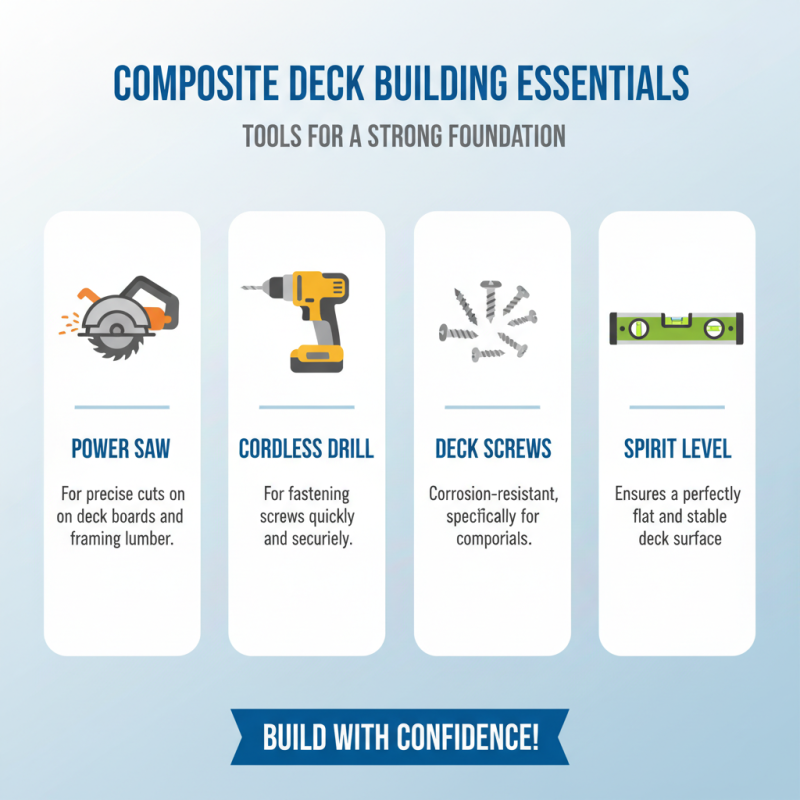
Building a composite deck can be a rewarding task. It can also be daunting if it’s your first time. Before starting, gather the right tools. You'll need a saw, drill, screws, and a level. These essentials help you lay a strong foundation.
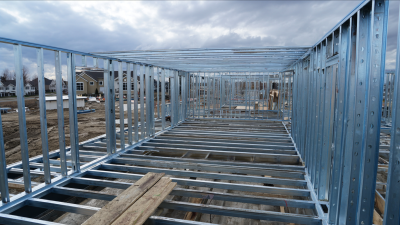
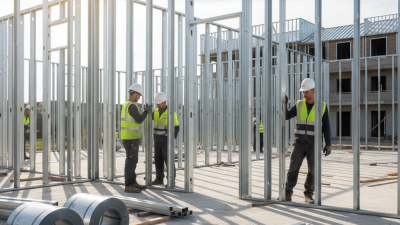
Begin with framing. Use pressure-treated wood for strength. Ensure your frame is square. Measure multiple times before cutting. A slight error can lead to major issues later. It’s frustrating to realize your deck is uneven after installation. Secure joists properly; spacing them evenly is key.
Next, lay your composite boards. Align them carefully for a clean look. Don’t rush this part. Uneven gaps are hard to fix. As you work, remember to account for expansion and contraction. This detail often gets overlooked. Lastly, finish with railing and steps. Review your work for any missed details. It’s worth taking a moment to reflect on your progress.
Common Mistakes to Avoid When Building a Composite Deck
Building a composite deck can be a fulfilling project, but it's easy to make common mistakes. One frequent error is inadequate framing. A sturdy frame is essential for longevity. If the frame isn’t level or spaced properly, it can lead to sagging and warping. Use a level during installation. This simple step helps ensure a solid foundation.
Another mistake is neglecting to account for drainage. Composite materials need water management to prevent mold and rot. If your deck is flat or lacks proper drainage channels, water can pool. This can weaken the structure over time. Adding slight slopes can make a big difference.
Also, using incorrect fasteners can ruin a good deck. Not all screws or nails work well with composite materials. They can corrode or cause cracking. It's important to choose the right type. Many may overlook this detail, but it impacts overall durability. Consider the type of joists and the surrounding environment, too. Every choice matters for a deck that truly lasts.