China Top 10 WPC Decking Board Suppliers for Global Buyers?
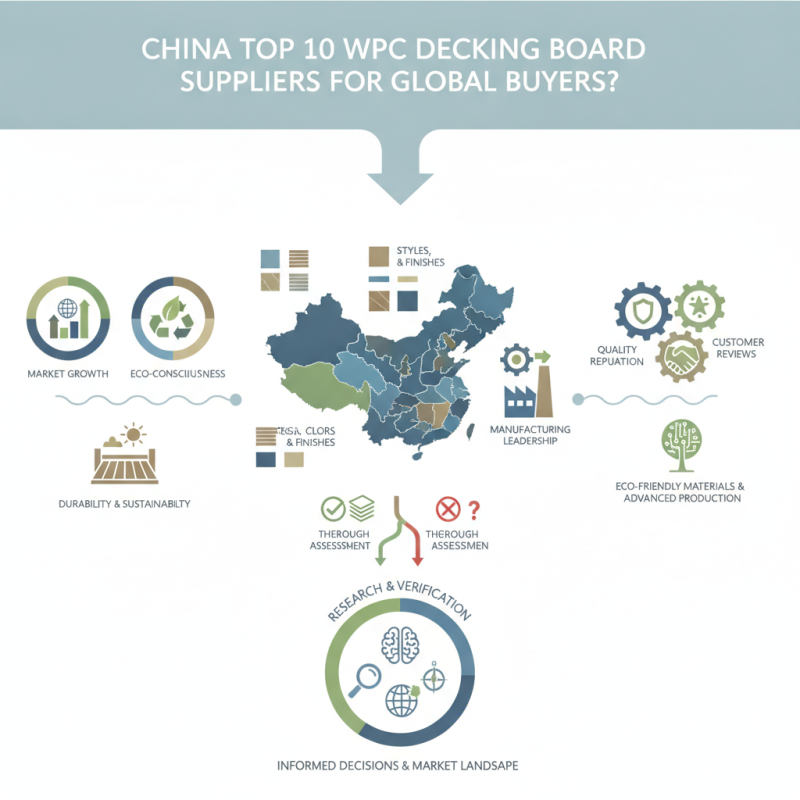
The Wpc Decking Board market is rapidly growing, attracting global buyers seeking high-quality outdoor solutions. As consumers become more environmentally conscious, wood-plastic composites (WPC) have gained attention for their durability and sustainability. WPC decking boards offer an innovative blend of wood's beauty and plastic's resilience. This unique combination makes them an ideal choice for outdoor spaces.
China, a leader in WPC manufacturing, hosts numerous suppliers specializing in this product. These suppliers provide various styles, colors, and finishes. When selecting a WPC decking board supplier, it is crucial to consider quality, reputation, and customer reviews. Reliable suppliers often emphasize their commitment to eco-friendly materials and advanced production techniques.
Although many Chinese suppliers excel, some may not meet international standards. Buyers should research carefully and verify certifications. A thorough assessment of each supplier's background can help mitigate risks. Engaging with experienced suppliers can enhance the purchasing experience. Ultimately, understanding the market landscape is vital for making informed decisions in this competitive field.
Overview of WPC Decking Boards and Their Applications
WPC decking boards, or wood-plastic composites, blend wood fibers with plastic. This combination results in highly durable decking materials. WPC boards resist moisture, insects, and fading. Homeowners often choose them for patios, decks, and poolside areas. Their unique properties provide both aesthetic appeal and functionality.
Many applications for WPC decking exist. They are suitable for residential and commercial use. WPC boards can be used for walkways in parks or decking around hot tubs. However, the material may fade slightly over time. This fading can be a concern for designers. Finding the right balance between durability and appearance is essential.
Installation can also pose challenges. Proper alignment and spacing are critical for long-lasting results. Some users report difficulty achieving a seamless look. Using skilled professionals may help mitigate these issues. WPC decking boards offer a blend of beauty and practicality. They continue to gain popularity for good reason.
China Top 10 WPC Decking Board Suppliers - Market Share Analysis
Factors to Consider When Choosing a WPC Decking Supplier
When selecting a WPC decking supplier, quality is paramount. Look for companies demonstrating their manufacturing processes. A reliable supplier should provide samples and certifications. Assess their material sourcing practices. Recycling and sustainability are increasingly important. Eco-friendly processes can indicate a responsible company.
Experience matters significantly. Suppliers with a long track record often have refined their products over time. They better understand market demands and challenges. It’s beneficial to read customer reviews and case studies. Testimonials reflect real-world performance. However, discerning quality from marketing fluff can be tricky.
Pricing is essential but shouldn’t be the sole factor. Some low-cost options may compromise durability. Explore warranty options as they indicate confidence in the product. Balancing cost with quality is a journey. Lastly, consider the supplier’s customer service. Communication can affect your overall experience. A helpful team can aid you through challenges.
Top 10 WPC Decking Board Suppliers in China
When considering WPC decking board suppliers in China, several standout names emerge for global buyers. These suppliers offer a mix of quality, variety, and competitive pricing. WPC, or wood-plastic composite, is favored for its durability and low maintenance, making it a popular choice for outdoor decking.
One key factor in choosing a supplier is the range of products available. Many suppliers provide various textures and colors. This variety helps meet diverse customer preferences and design needs. Additionally, customer service plays a crucial role in building trust. Effective communication can enhance the purchasing experience. However, not all suppliers excel in this area. Some have been criticized for slow response times or insufficient support.
It's important to assess each supplier's production processes. Some companies prioritize eco-friendly materials. This can align with growing global demand for sustainable options. Yet, potential buyers should inquire about certifications and standards. Authenticity is vital in ensuring product reliability. Overall, buyers should conduct thorough research before selecting a supplier. The choice can significantly impact their projects, both aesthetically and functionally.
China Top 10 WPC Decking Board Suppliers for Global Buyers
| Supplier Rank | Annual Revenue (USD) | Export Volume (Tons) | Established Year | Headquarters Location |
| 1 | $50 million | 10,000 | 2005 | Guangdong |
| 2 | $40 million | 8,000 | 2010 | Zhejiang |
| 3 | $35 million | 7,500 | 2008 | Shanghai |
| 4 | $30 million | 6,000 | 2012 | Fujian |
| 5 | $28 million | 5,500 | 2015 | Shaanxi |
| 6 | $25 million | 5,000 | 2013 | Jiangsu |
| 7 | $22 million | 4,500 | 2011 | Liaoning |
| 8 | $20 million | 4,000 | 2006 | Anhui |
| 9 | $18 million | 3,500 | 2014 | Shandong |
| 10 | $15 million | 3,000 | 2016 | Tianjin |
Comparison of Key Features and Pricing Among Suppliers
When exploring the top WPC decking board suppliers in China, key features and pricing stand out for global buyers. The market shows a diverse range of options, with prices varying based on quality and materials used. Reports suggest that the average price of WPC decking boards ranges from $2 to $5 per square foot. However, premium options can exceed $8 per square foot.
One critical feature to consider is durability. Most WPC products claim high resistance to fading, stains, and moisture. Yet, some users report that lower-grade boards do not always meet these expectations. It's essential to weigh these factors carefully.
Tips: Always request samples before purchasing. This helps to check texture and color. Also, consider the warranty offered by suppliers; it can be an indicator of product reliability. Don’t ignore reviews from other buyers. They can provide insights that may bridge the gap in expectations versus reality. Quantitative assessments, like customer satisfaction ratings, can play a significant role in determining a supplier's reputation in the market.
Market Trends and Future Outlook for WPC Decking in Global Market
The global market for Wood Plastic Composite (WPC) decking is witnessing significant shifts. Many buyers are recognizing the benefits of WPC over traditional materials. The rise in eco-consciousness drives consumer interest. WPC combines wood fibers with plastic, offering durability and low maintenance. This trend aligns with the growing need for sustainable building materials.
For buyers, understanding market trends is essential. As demand surges, suppliers are evolving. Innovations in WPC formulations are paving the way for improved aesthetics and strength. The market is not without challenges. Price fluctuations and raw material availability can affect procurement strategies. Buyers must stay informed about these dynamics to make effective decisions.
Tips: Research your supplier's background. Ensure they demonstrate expertise and reliability in the WPC decking domain. Don't hesitate to ask for product samples to assess quality firsthand. Consider the long-term benefits of WPC, such as its lifespan and environmental impact. Engaging with industry experts can provide valuable insights that guide purchasing decisions. Prioritize suppliers who are transparent about their production processes.