How to Choose Cold Formed Metal Framing for Your Construction Project

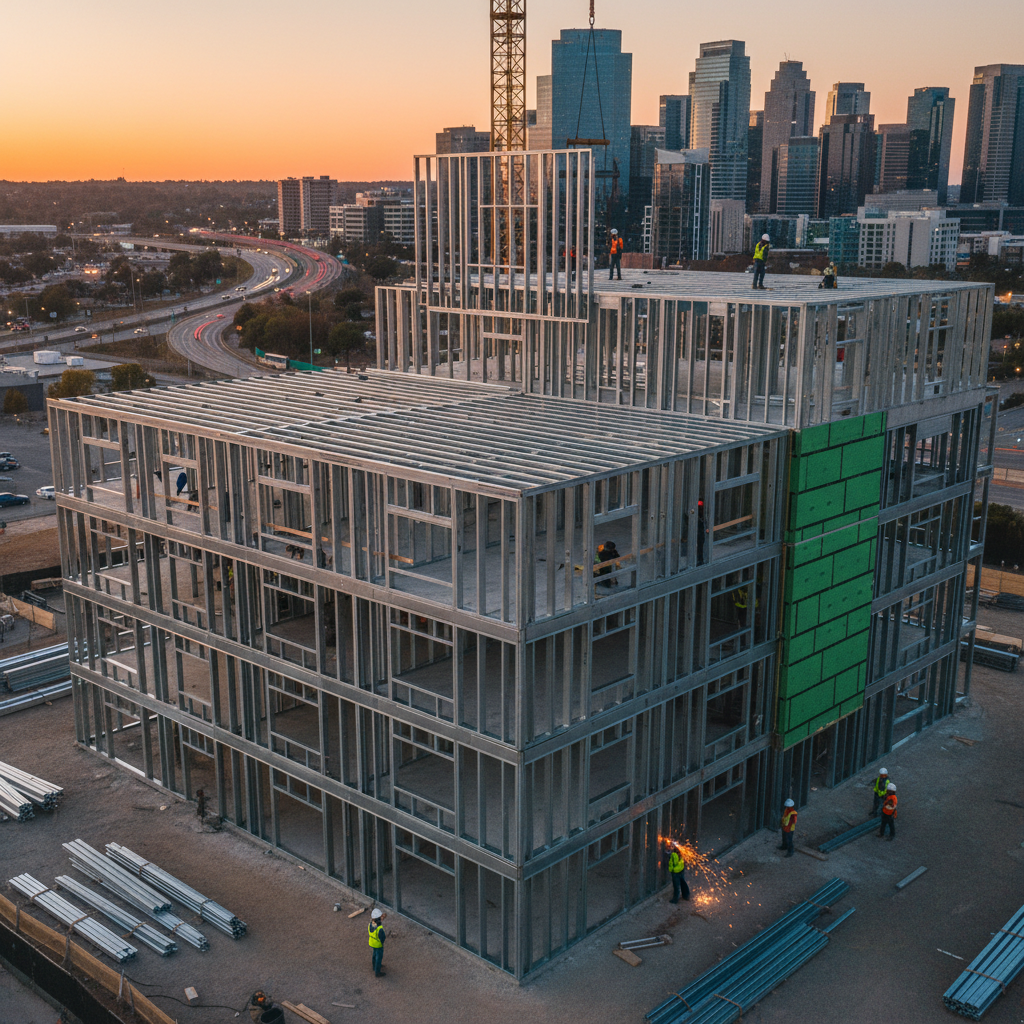
In the dynamic realm of construction, selecting the appropriate materials is crucial for the success of any project, and cold formed metal framing has emerged as a prominent choice among builders and architects. According to a report by the Steel Framing Industry Association, the use of cold formed steel framing in commercial construction has grown by over 21% in recent years, driven by its durability, design flexibility, and cost-effectiveness. This method not only meets the demands for structural integrity and energy efficiency but also aligns with modern sustainability practices by minimizing waste and utilizing recyclable materials.
How to Choose Cold Formed Metal Framing for Your Construction Project

Furthermore, a study conducted by the National Association of Home Builders indicates that projects utilizing cold formed metal framing can significantly reduce construction time due to its prefabricated components, which expedite assembly on-site. As the construction sector continues to adapt to heightened performance and environmental standards, understanding the benefits and considerations of cold formed metal framing becomes essential for industry professionals. Making informed decisions about this innovative building technique can ultimately lead to more resilient structures, optimized project timelines, and enhanced construction efficiency.

Key Considerations for Selecting Cold Formed Metal Framing Materials

When selecting cold formed metal framing materials for your construction project, several key considerations must be addressed to ensure optimal performance and cost-effectiveness. One significant factor is the gauge of the metal; lighter gauges may be adequate for non-load bearing partitions, whereas heavier gauges are required for structural supports. According to the Steel Framing Industry Association (SFIA), the use of 25-gauge framing can reduce material costs by up to 20% compared to thicker profiles while still meeting performance standards for specific applications.

Another important consideration is the corrosion resistance of the metal framing. Projects in coastal or industrial environments require materials with enhanced protection against rust and degradation. The American Iron and Steel Institute (AISI) suggests using galvanized steel or similar coated options, which can extend the lifespan of framing components by 50% or more when exposed to harsh conditions. Additionally, understanding the building codes and local regulations is crucial, as compliance can significantly impact material selection and construction methodology. By carefully evaluating these factors, builders can optimize their choice of cold formed metal framing, ensuring durability and value for their projects.

How to Choose Cold Formed Metal Framing for Your Construction Project

Dimension Material Type Gauge Weight (lbs/ft) Typical Use
3-5/8 x 1-5/8 Steel 20 1.63 Interior walls
2-1/2 x 1-5/8 Steel 20 1.41 Partition walls
6 x 1-5/8 Steel 18 2.45 Exterior walls
4 x 1-5/8 Galvanized Steel 22 1.25 Ceiling applications
3-5/8 x 3-5/8 Steel 16 2.86 Load-bearing walls

Top 5 Advantages of Cold Formed Metal Framing in Construction Projects

How to Choose Cold Formed Metal Framing for Your Construction Project

When considering materials for construction projects, cold formed metal framing stands out due to its numerous advantages. One significant benefit is its lightweight nature, which allows for easier handling and installation. According to the Steel Framing Alliance, cold-formed steel is approximately 33% lighter than traditional framing materials, resulting in reduced transportation costs and quicker project timelines. This efficiency can lead to substantial savings, allowing projects to stay on schedule and within budget.

Another key advantage of cold formed metal framing is its durability and resistance to environmental factors. Unlike wood, cold formed steel does not warp, crack, or split, making it an ideal choice for various climates. The American Iron and Steel Institute reports that steel framing can withstand harsh weather conditions, providing long-lasting structural integrity. Additionally, this material is non-combustible, enhancing fire safety and often qualifying for lower insurance premiums. These factors not only improve the longevity of a building but also contribute to a safer living environment.

Essential Tools and Equipment for Working with Cold Formed Metal Framing

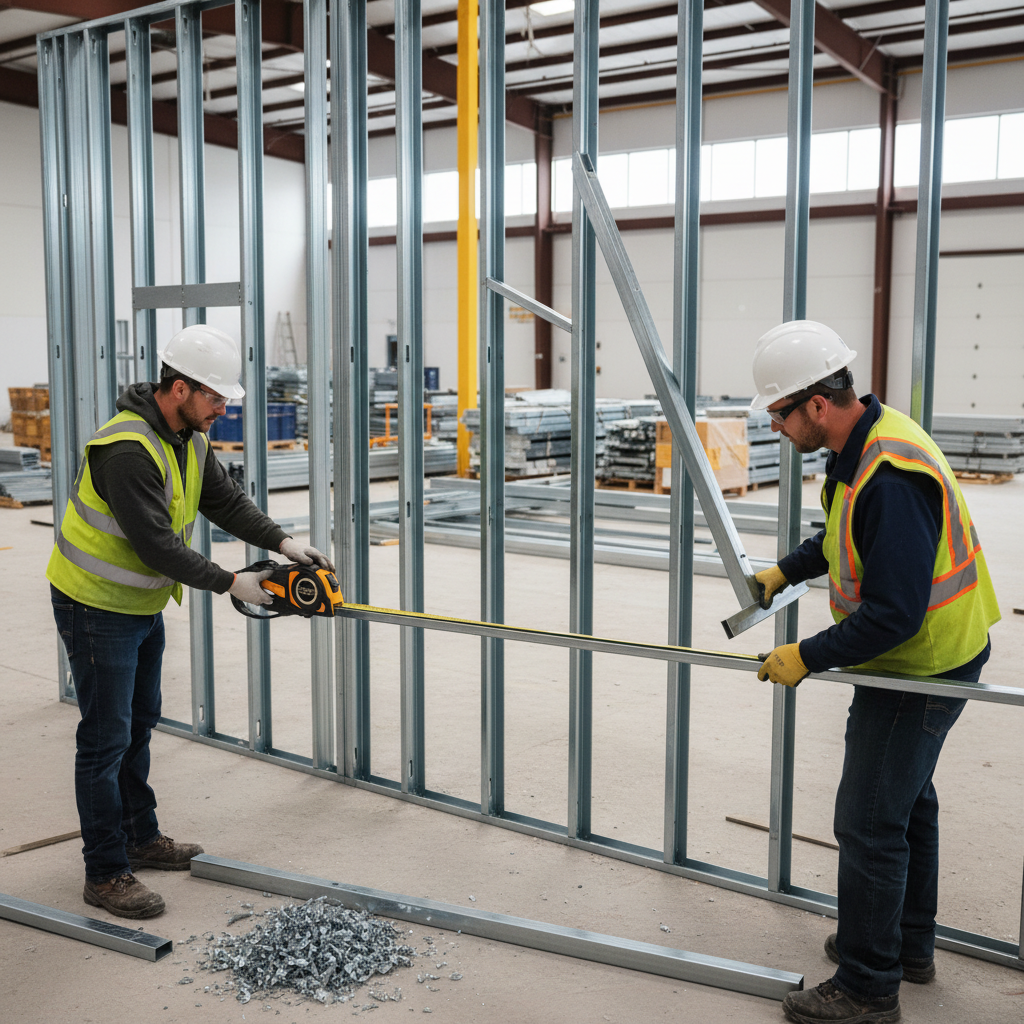
When working with cold-formed metal framing, having the right tools and equipment is crucial for ensuring accurate and efficient construction. Essential tools include metal shears, which make it easier to cut steel sheets to the desired dimensions. To create precise connections, a drill with steel-specific bits is necessary for making clean holes. A level and measuring tape are also indispensable for ensuring structural integrity and alignment during the installation process.

In addition to hand tools, using safety equipment should not be overlooked. Protective eyewear and gloves are important for preventing injuries while cutting and handling metal materials. Portable power tools, such as metal stud nailers, can significantly speed up the framing process by allowing for quick and secure fastening. Overall, investing in high-quality tools tailored for cold-formed metal framing will not only enhance productivity but also contribute to the overall success of your construction project.

Comparison of Essential Tools for Cold Formed Metal Framing

How to Calculate Load Requirements for Cold Formed Metal Framing Systems

Calculating load requirements for cold formed metal framing systems is a critical step in ensuring structural integrity and safety. The American Iron and Steel Institute (AISI) provides guidelines for determining the load capacities of these systems, emphasizing the importance of accounting for various factors such as dead load, live load, wind loads, and seismic activity. According to the AISI's "Cold-Formed Steel Design Manual", proper load calculations can significantly impact the performance of the framing system, influencing factors like deflection limits and material efficiency.

In practice, the total load must include all permanent loads, such as the weight of the framing itself and any other materials (dead load), as well as temporary loads like occupancy and furniture (live load). The National Building Code suggests using a safety factor of at least 1.5 when calculating loads to account for uncertainties in material behavior and environmental conditions.

Additionally, engineers often utilize software tools, such as RISA-3D or SAP2000, to simulate load scenarios and obtain accurate results to inform their design choices. By adhering to industry standards and conducting meticulous calculations, contractors can enhance the durability and reliability of their cold formed metal framing systems.

Common Installation Mistakes to Avoid with Cold Formed Metal Framing

How to Choose Cold Formed Metal Framing for Your Construction Project

When working with cold formed metal framing, avoiding common installation mistakes is crucial to ensure the structural integrity and overall success of your construction project. One prevalent mistake is neglecting proper measurement and alignment. It’s essential to double-check all dimensions before cutting or fastening materials. A minor error at the start can lead to significant issues down the line.

Tips: Always use a reliable level and measuring tape to confirm that each piece is correctly aligned. Mark your measurements clearly on the metal, and consider using a framing square to maintain accuracy throughout the install.

Another frequent misstep is insufficient planning for variables such as load requirements and local building codes. Many installers fail to account for the specific demands of the project, leading to inadequate support structures. Failing to consult with an engineer or the relevant documentation can result in costly adjustments later on.

Tips: Prior to installation, review the specifications and consult with professionals to ensure all safety and performance criteria are met. Being proactive in this planning phase will pay off in the long term.