How to Choose the Right Metal Framing for Your Projects?
Choosing the right metal framing for your projects is crucial. Expert John Miller, a veteran in the metal framing industry, once stated, “The right materials can make or break a construction project.” Metal framing is popular for its durability and versatility. However, not all metal framing systems are created equal.
When considering metal framing, assess the specific needs of your project. Factors like structural load, environmental conditions, and cost come into play. Various types of metal framing exist. Each type offers distinct advantages and potential drawbacks.
While metal framing can enhance a project's longevity, it may also introduce challenges. Installation may require specialized skills. Understanding these nuances is essential for success. Aim to make informed decisions based on expert insights and your project requirements.
Understanding the Types of Metal Framing Available for Construction
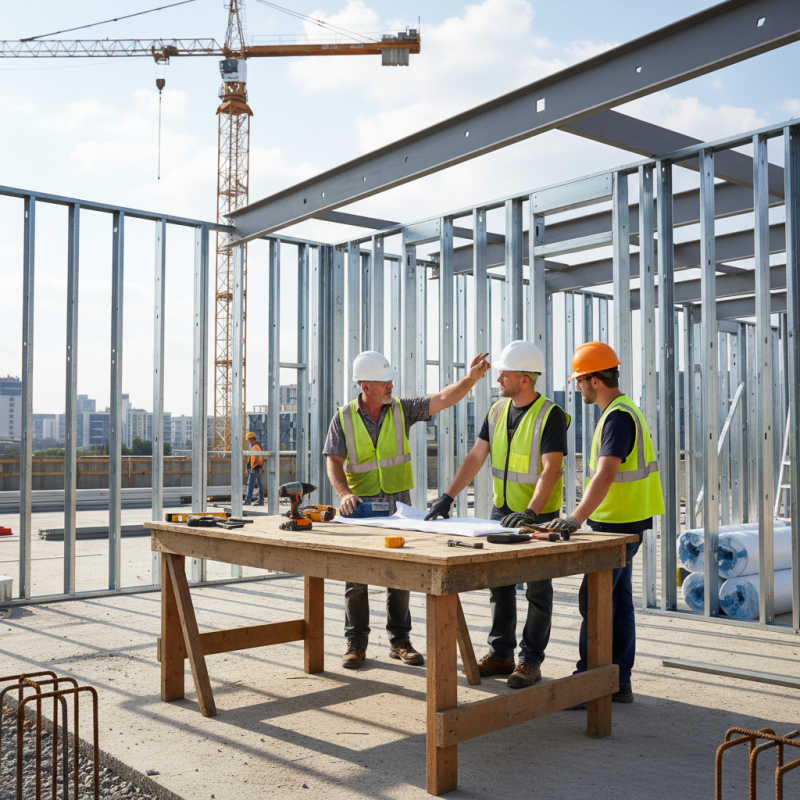
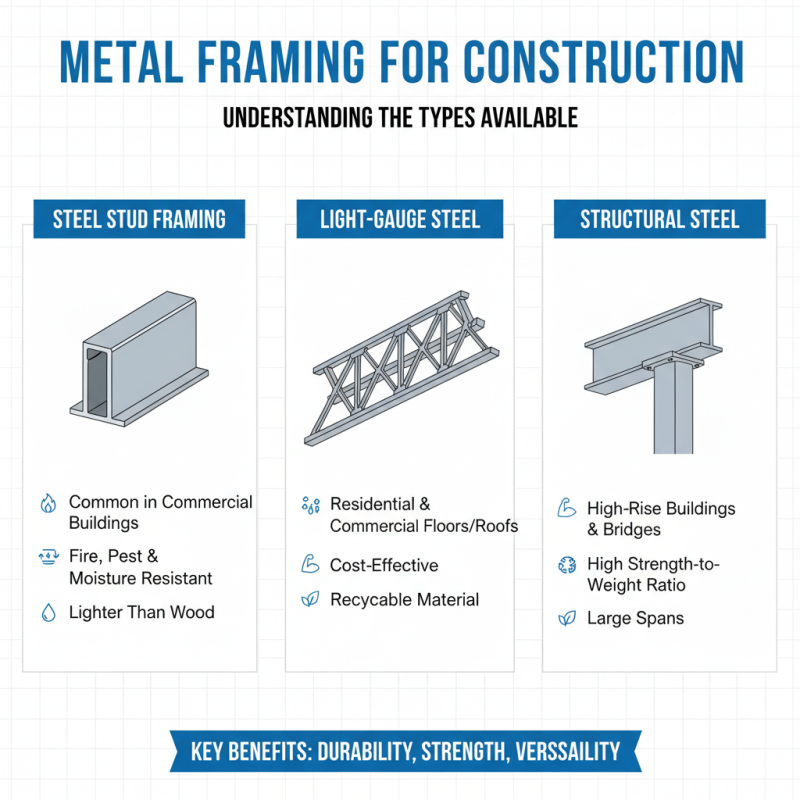
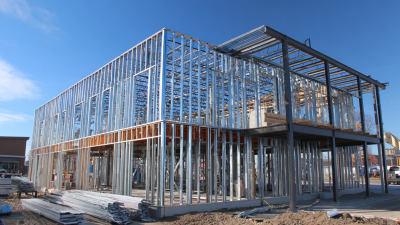
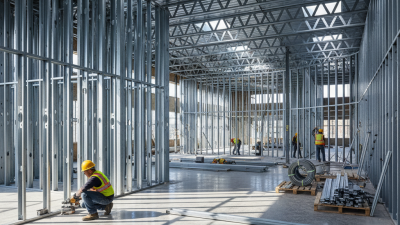
When it comes to construction, understanding the types of metal framing is essential. Metal framing options offer diverse benefits. Most commonly, steel stud framing is used in commercial buildings. It provides strong resistance to fire, pests, and moisture. This type is lighter than traditional wood framing, making it easier to handle.
Another option is cold-formed steel framing. This type is manufactured from thin sheets of steel. It is ideal for residential projects but may require precise planning. The lightweight material can sometimes lead to structural challenges if not properly calculated. It's vital to ensure that load-bearing walls are adequately supported.
Finally, welded metal framing is another type. It is robust and suitable for heavy construction. However, installation can be more complex. Many contractors find it more challenging to work with welded frames. Each type of metal framing has its unique advantages and challenges, requiring careful selection based on project needs.
Evaluating the Strength and Durability Requirements for Your Project
When selecting metal framing, understanding the strength and durability is crucial. Projects vary in requirements. A large building needs robust materials. For a simple structure, light gauge metal could suffice. Assessing the environment is vital. Areas prone to extreme weather need stronger frames.
Tips: Always check the gauge of the metal. Thicker materials offer better strength but add weight. Consider using galvanized steel. It resists rust and corrosion, extending the frame's life.
Evaluate load-bearing capacity. The wrong choice can lead to structural failures. Talk to professionals if unsure. Their expertise can guide you, saving time and money. Do not overlook local building codes. They dictate minimum standards for safety. Ignoring them might lead to costly mistakes.
Considering Cost and Budget Implications in Metal Framing Choices
When selecting metal framing for construction projects, cost and budget play crucial roles. Data from the Steel Framing Alliance indicates that metal framing can be approximately 15-20% more expensive than traditional wood framing. However, this cost might balance out when considering durability and maintenance.
Initial expenses might deter some projects. Yet, metal framing often offers long-term savings. Its resistance to pests and moisture leads to lower repair costs over time. A report by the American Institute of Steel Construction highlights that metal structures can last up to 30% longer than their wooden counterparts. This longevity can significantly improve the return on investment.
Deciding on metal framing requires a careful cost assessment. Budget constraints can limit options. Nevertheless, investing in higher quality metal may avoid future costs. Choosing standard sizes may also save on fabrication expenses. Reflecting on these factors can lead to more informed decisions.
Assessing Environmental Impact and Sustainability of Metal Materials
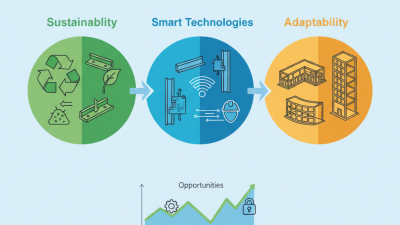
When assessing the environmental impact and sustainability of metal materials, several factors come into play. Steel, a common metal used in framing, has a high recycling rate—around 90%. This is significant, as recycled steel saves up to 75% of the energy needed to produce new steel. However, the extraction and processing of raw materials can still have harmful effects on local ecosystems.
The carbon footprint of producing new metal can be substantial. According to the Global Steel Climate Council, steel production accounts for nearly 8% of global CO2 emissions. This highlights the importance of considering the type of metal used in projects. Opting for materials with sustainable sourcing practices is crucial. Not all metal products are created with the environment in mind. Look for certifications indicating lower environmental impact.
While metal framing is durable and long-lasting, its production can strain resources. The need to balance environmental concerns with structural needs can be complex. Finding a middle ground is essential. Consideration of lifecycle assessments of metal products helps to make informed decisions. It's essential to reflect on the overall sustainability and make choices that benefit both the project and the planet.
Environmental Impact of Different Metal Framing Materials
Examining Local Building Codes and Regulations for Metal Framing Use
Local building codes and regulations play a crucial role in selecting metal framing for your construction projects. Each region has specific guidelines that govern the use of metals in construction. These codes ensure safety and structural integrity. Failing to comply can lead to costly fines or project delays. It’s essential to check local requirements before beginning any framing work.
Understanding these regulations can be challenging. Some codes may specify the types of materials allowed. Others may dictate the size and spacing of framing members. A thorough review of these guidelines is necessary. Consulting with local building officials can provide clarity. They can guide you through compliance issues that may arise.
Not all projects will fit neatly within these codes. Some may encounter unexpected setbacks due to strict regulations. This unpredictability raises the need for flexibility in planning. Builders should always be ready to adapt their designs. Local codes may change over time. Staying informed about these updates is vital for successful metal framing projects.