Why Choose a Steel Framing System for Your Construction Projects?
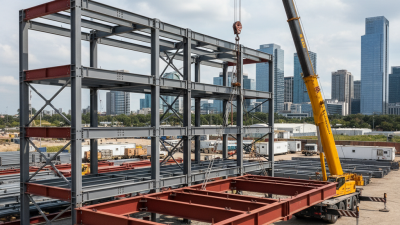
The construction industry continuously seeks innovative solutions to enhance efficiency and durability. A steel framing system has emerged as a leading choice among builders. Renowned expert John Smith, a structural engineer with over 15 years of experience, emphasizes, “Steel framing offers unmatched strength and flexibility for modern structures.” This statement highlights the increasing popularity of steel in construction.
Steel framing systems provide unique advantages. They are known for their resilience against environmental challenges. Additionally, they help reduce construction time significantly. However, some contractors express concerns about cost. This can lead to hesitation when choosing materials. Architectural aesthetics are also a consideration. People sometimes associate steel with industrial styles, limiting its appeal.
Despite these challenges, the benefits often outweigh them. A steel framing system can support larger spans and lighter structures. It allows for innovative designs that may not be possible with wood or concrete. Embracing this technology may require a shift in mindset, but the results can be transformative.
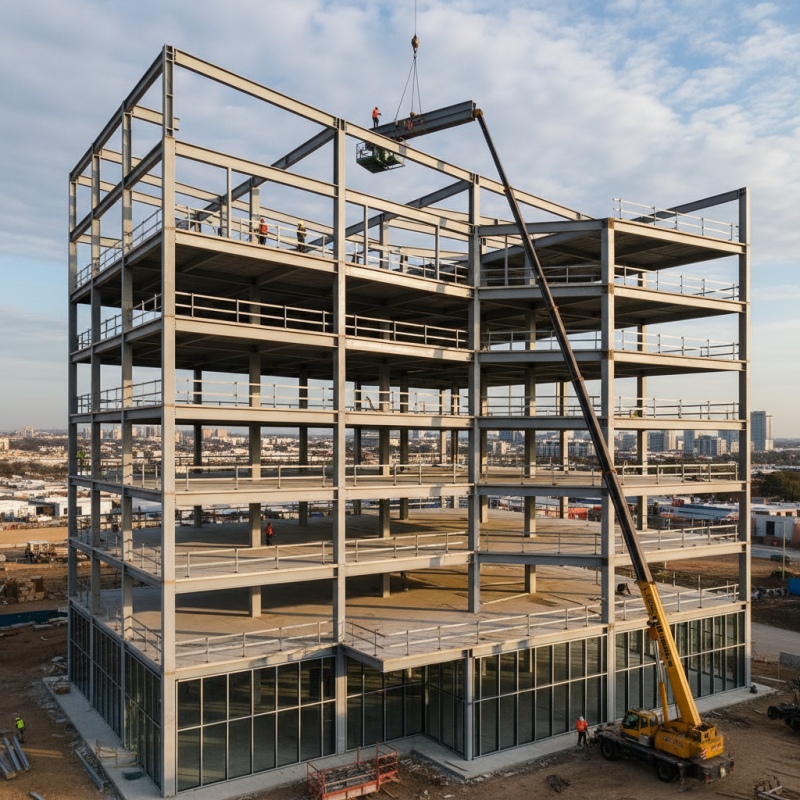
Benefits of Steel Framing in Modern Construction Projects
Steel framing has revolutionized modern construction projects. This method provides durability and strength that other materials may lack. Buildings using steel are less prone to damage from pests and moisture. These factors can lead to significant long-term savings for project owners.
Another crucial benefit is flexibility in design. Steel can accommodate various architectural styles. It allows for larger open spaces without compromising stability. However, the initial cost might be higher compared to wood. It's essential to weigh these costs against the long-term benefits.
Additionally, steel framing can be more environmentally friendly. Steel is recyclable, making it a sustainable option. Many construction projects face challenges in reducing waste. Using steel can contribute to efficient waste management systems. Overall, while steel framing has many advantages, careful consideration and planning are necessary to maximize its potential.
Comparative Analysis: Steel Framing vs. Traditional Wood Framing
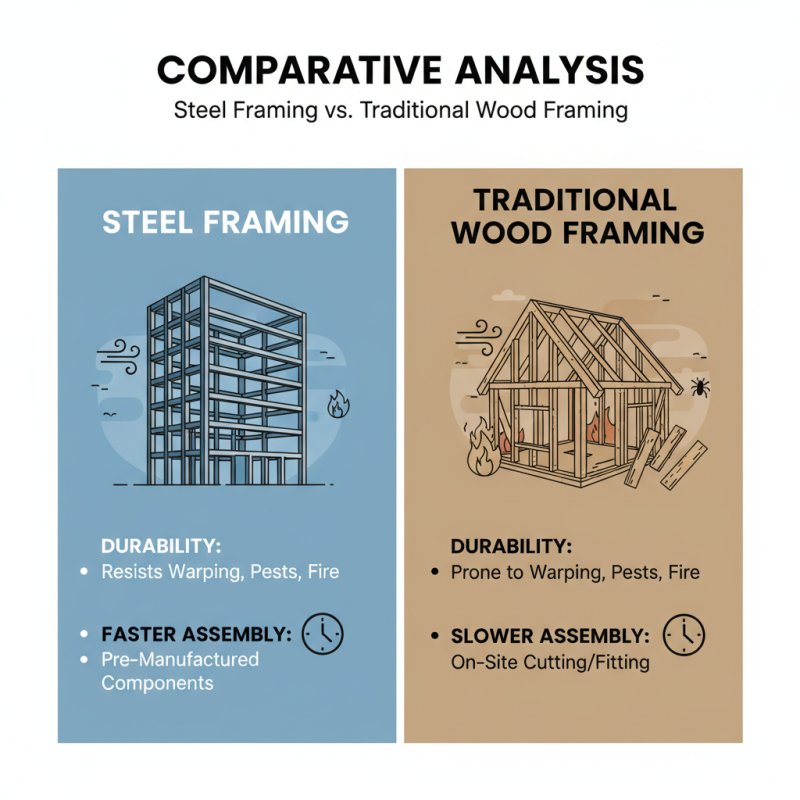
When comparing steel framing to traditional wood framing, several factors come into play. Steel offers durability that wood lacks. It resists warping, pests, and fire damage. For example, a steel frame can remain intact during severe weather or a fire, whereas wood can easily fail under such conditions. Construction timelines can also improve significantly with steel. The precise manufacturing of steel components allows for quicker assembly on-site.
However, there are challenges with steel. The upfront costs are usually higher than wood. This can pose issues for budget-conscious projects. Additionally, steel requires specialized tools and skills for installation. These requirements might limit the choice of contractors available. In some regions, the familiarity with wood framing remains high. This can lead to resistance against switching to steel.
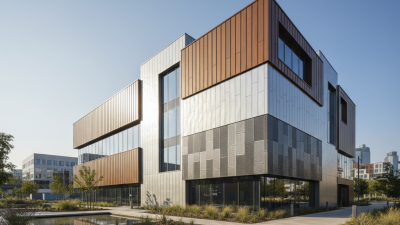
Aesthetics play a role too. Some may prefer the warm look of wooden structures. That visual appeal can be hard to replicate with steel. Yet, steel can provide modern, sleek designs, appealing to certain architectural styles. Ultimately, the choice depends on project needs and budget constraints.
Durability and Longevity of Steel Framing Systems
Steel framing systems are increasingly popular for construction projects. Their durability stands out in various climates. Steel structures resist severe weather, pests, and rot. This resistance contributes to their longevity, which is key in any building.
Construction with steel frames often leads to less maintenance over time. A steel structure will not warp or buckle as wooden frames might. This stability can reduce costs linked to repairs and reinforcements. However, it’s important to consider the initial costs involved. While higher upfront, the long-term benefits can justify the investment.
Some might overlook the importance of insulation when choosing a steel frame. Without proper insulation, energy efficiency can suffer. Additionally, the aesthetic appeal can vary. Steel might require more planning to achieve a desired look. These details deserve careful thought before finalizing any decision.
Why Choose a Steel Framing System for Your Construction Projects? - Durability and Longevity of Steel Framing Systems
| Feature |
Steel Framing |
Traditional Framing |
| Durability |
Highly resistant to weather, pests, and fire |
Susceptible to termites, rot, and fire damage |
| Longevity |
Lasts over 50 years with minimal maintenance |
Typically lasts 20-30 years if well maintained |
| Environmental Impact |
Recyclable and often made from recycled materials |
Can involve deforestation; less recyclable options |
| Cost-effectiveness |
Higher initial cost but lower lifetime expenses |
Lower initial cost but higher maintenance and repair costs |
| Resistance to Moisture |
Does not absorb moisture, preventing mold growth |
Can absorb moisture, leading to mold and decay |
Cost-Effectiveness and Efficiency of Steel Construction
Steel framing systems offer significant cost-effectiveness and efficiency in construction. According to a report from the American Institute of Steel Construction, projects utilizing steel can reduce overall construction time by up to 30%. This speed results in lower labor costs and faster project completion. Efficient resource management also leads to significant savings.
Cost benefits extend beyond construction. Steel is recyclable, reducing long-term material costs. In fact, research shows that recycling steel can save up to 74% of energy compared to creating new steel. This eco-friendly aspect aligns with growing sustainability demands in the industry. However, initial costs for steel can be higher than traditional materials. This upfront investment requires consideration of long-term savings.
Furthermore, steel structures are known for their strength and durability. Buildings framed with steel have a lower risk of damage from natural disasters. A study indicates that steel buildings sustain less damage during earthquakes. While these strengths are compelling, some may question the aesthetic flexibility of steel compared to wood. It's vital to explore design capabilities and innovate the use of steel to enhance visual appeal.
Cost-Effectiveness and Efficiency of Steel Framing Systems
Environmental Impact and Sustainability of Steel Framing
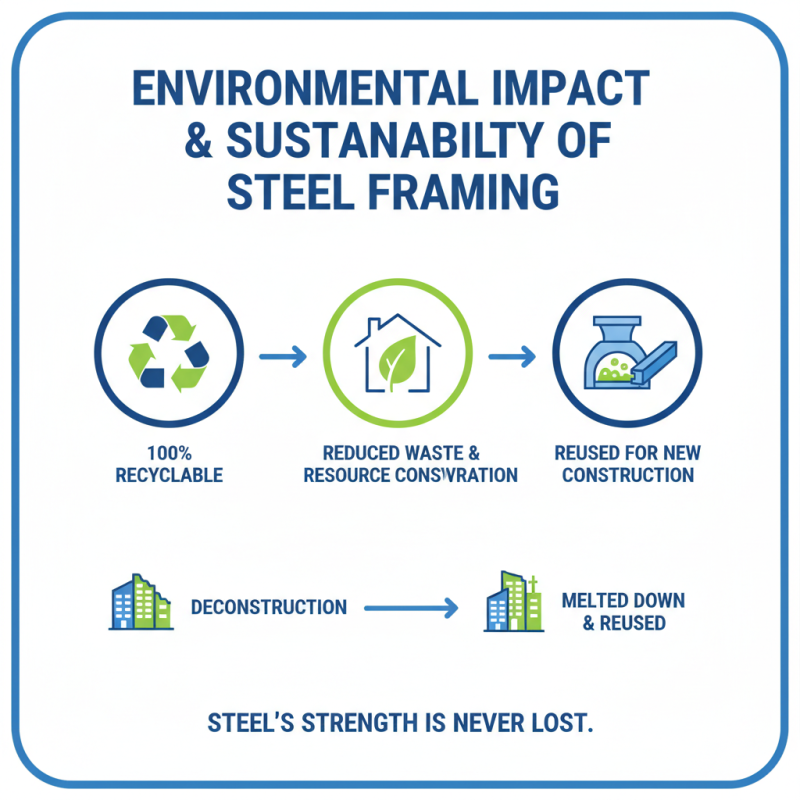
Steel framing is becoming a popular choice in construction due to its environmental advantages. Steel is 100% recyclable, which means it can be reused without losing its strength. This reduces waste and conserves resources. When a building is deconstructed, steel can be melted down and repurposed for new construction.
One tip for those considering steel framing is to work with suppliers who prioritize recycled materials. This practice enhances sustainability and lowers the carbon footprint of projects. Additionally, steel structures are often more energy-efficient. They can be insulated effectively, reducing heating and cooling costs over time.
However, not every project benefits from steel framing. It often requires specialized labor, which can increase costs. Furthermore, fluctuations in steel prices may impact budgets. Reflecting on these factors is essential when planning a construction project. With careful consideration, the long-term benefits can outweigh these challenges.