How to Choose the Best Composite Decking Systems for Your Home?
Choosing the best composite decking systems for your home can seem overwhelming. With so many options, it's easy to feel lost. Composite decking offers durability and low maintenance, making it a popular choice. However, not all systems are created equal.
When selecting a composite decking system, consider materials and brand reputation. Some brands may have great marketing but lack quality. Reading reviews and seeking recommendations can help uncover reliable options. Colors and textures also play a role. You want a design that complements your home’s aesthetic.
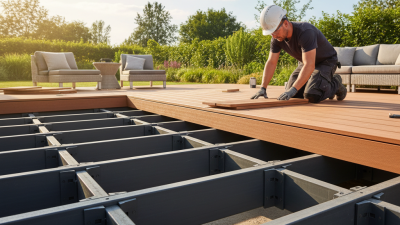
Installation is another factor to think about. While some composite decking systems are easy to install, others require professional help. Cost is always a concern. Balance your budget with the features you want. Reflect on what matters most to you: longevity, appearance, or ease of upkeep. Choosing wisely can enhance your outdoor space significantly.
Factors to Consider When Selecting Composite Decking Materials
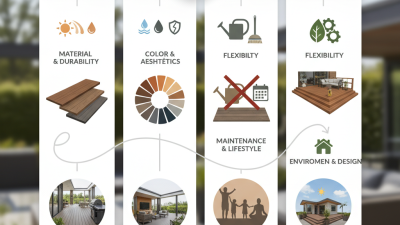
When selecting composite decking materials, several key factors should be kept in mind. First, consider the weather conditions in your area. If you experience heavy rain or intense sunlight, look for products that can withstand these elements. Some materials fade quickly under sun exposure, while others maintain their color longer.
Durability is another important aspect. Composite decking can vary in strength and resistance to wear. Check if the material resists scratches or dents to ensure longevity. Maintenance requirements also differ; some materials need regular cleaning, while others might require no upkeep.
Lastly, focus on aesthetics. The color and texture of the decking will impact your outdoor space’s overall look. While patterns can add style, they may also clash with your home’s exterior. Aim for a balance that complements your design. Keep in mind that the perfect choice may not exist. Each option has its pros and cons. Taking your time to reflect on these elements will lead to a more satisfying decision.
Comparing Composite Decking Material Properties
Understanding Different Types of Composite Decking Available
When choosing composite decking, understanding the types available is key. Composite decking is primarily made from a blend of wood fibers and recycled plastic. This combination creates a durable and low-maintenance material. Among the types, you will find capped composite decking, which has a protective shell. This offers increased resistance to moisture and stains, making it a popular choice.
Another option is the uncapped composite decking. It is generally more affordable but requires more maintenance over time. A study by the Freedonia Group shows that about 60% of homeowners prefer capped options due to their longevity. However, be aware that not all composites are created equal. Some composites may fade or warp under harsh conditions.
Color and texture can vary significantly. Some products mimic real wood, while others have a more synthetic appearance. This can be a double-edged sword. A wood-like appearance may appeal to many, but it can look artificial in certain settings. Pay attention to warranties as well. They often indicate quality, but they can be misleading if not thoroughly understood. Thus, careful consideration is crucial when selecting the best composite decking for your home.
Evaluating Durability and Weather Resistance in Decking Options
When selecting composite decking systems, durability is key. Materials vary widely, impacting longevity. Look for options that can withstand heavy foot traffic and resist fading. Some composites require more maintenance than others. Evaluate how often you will need to clean or treat the surface. This can affect long-term satisfaction.
Weather resistance is another crucial factor. Decking should endure harsh sun, rain, and snow. Some options might warp or splinter over time. Always check the warranties. These can give insight into the material's weatherproof capabilities. You may notice that certain products promise durability but do not stand up in real-life conditions. Reading customer reviews can provide valuable feedback.
Consider the climate in your area. Decking that works in one state may not be ideal in another. Reflect on your own experiences. Have you ever faced issues with decking materials before? Choosing the right composite decking requires careful thought. It’s not just about style; it's about making an investment that lasts.
Comparing Aesthetic Choices and Finishes for Composite Decking
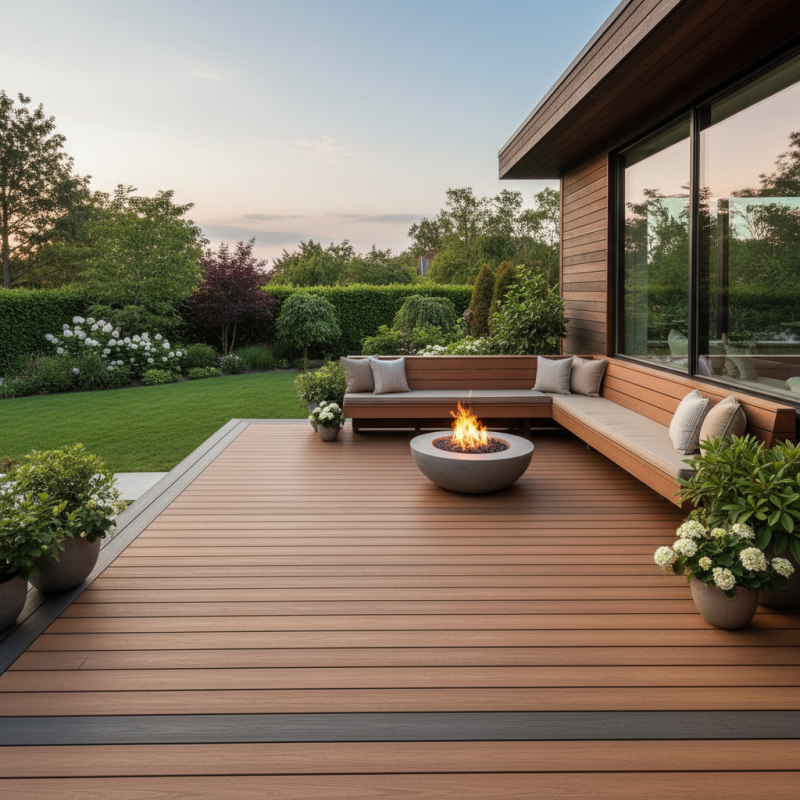
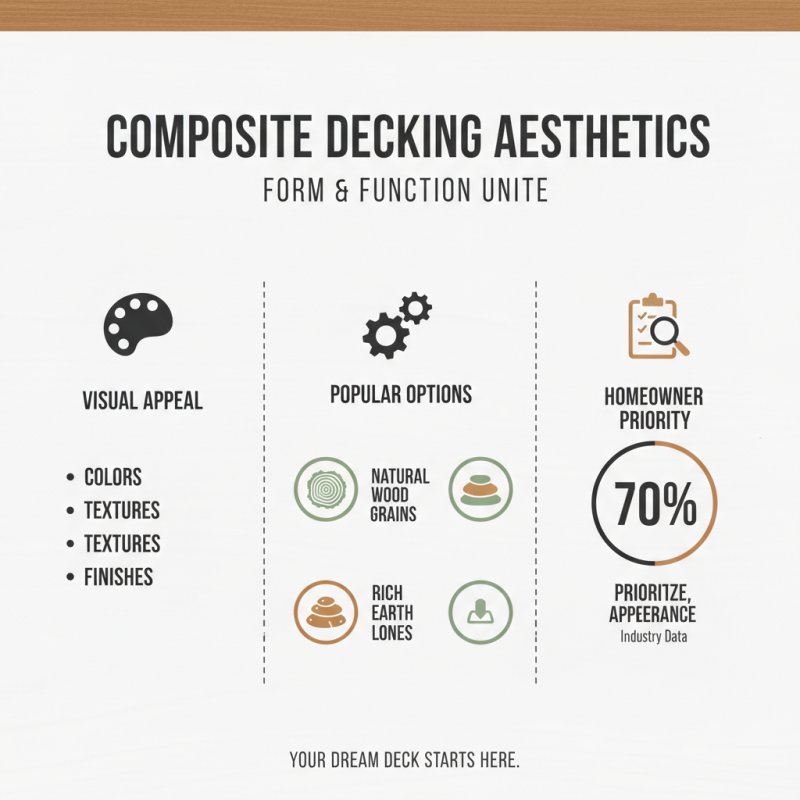
When selecting composite decking, aesthetics play a significant role. Homeowners want something not only functional but also visually appealing. Composite decking offers a variety of colors, textures, and finishes. Popular options include natural wood grains, rich earth tones, and modern, sleek looks. According to industry data, 70% of homeowners prioritize appearance when choosing decking materials.
Different finishes can impact how a deck fits into the surrounding environment. A textured surface can mimic real wood, providing a warm, rustic feel. On the other hand, a smooth finish may appeal to those leaning towards a contemporary aesthetic. A report from the Composite Institute notes that 65% of buyers choose decks based on their ability to blend in with home architecture.
Despite the myriad of options, not all choices are perfect. Some colors may fade under direct sunlight. Others might grow slippery when wet, raising safety concerns. Homeowners should consider their regional climate and how it affects their decking choice. Examining samples in various lighting conditions can yield surprising results. Taking these factors into account ensures a decision that balances style with longevity.
Analyzing Cost and Maintenance Requirements of Composite Decking Systems
Choosing the right composite decking system requires careful consideration of costs and maintenance. Composite decking materials typically range from $3 to $12 per square foot. This varies based on quality and brand characteristics. While the initial costs seem high, durability can offset these expenses over time. Homeowners can enjoy longer-lasting decks with less frequent replacements.
Maintenance for composite decking is generally lower than traditional wood decking. Estimates suggest that composite decks can last up to 30 years with minimal upkeep. In contrast, wood often requires refinishing every few years. Nevertheless, it's important to note that many composite options still require cleaning to prevent mold and mildew buildup. Regular maintenance discussions are crucial when planning your budget.
Tip: Always check for warranty details. Some companies offer extensive warranties, while others provide limited coverage. If you're investing, look for systems with at least a 20-year warranty.
Tip: Consider the color and texture. Fading can occur, even with high-quality materials. Choose a shade that fits your home while planning for potential color changes over time. Keep these details in mind while evaluating your choices, as they directly impact your deck's longevity and appearance.