How to Choose the Right Exterior Sheathing for Your Project?
Choosing the right exterior sheathing is crucial for any building project. It affects insulation, moisture resistance, and overall durability. As noted by industry expert David Hensley, "The right exterior sheathing can make all the difference in the longevity of a structure." This statement highlights the significance of thoughtful selection in this area.
When considering exterior sheathing, various materials are available, each with its own benefits. Wood, fiberglass, and foam board sheathing all serve different purposes. For instance, foam sheathing offers excellent insulation but may not be as sturdy as plywood. It's essential to understand these trade-offs for your specific project needs.
A careful evaluation of climate, budget, and design requirements is necessary. There might be pressure to cut costs on materials. However, cutting corners can lead to long-term issues such as water damage or increased energy bills. Reflecting on the choices and their consequences is vital for achieving a sustainable and efficient building. Choosing exterior sheathing is not just about the present; it shapes the future of your project.
Understanding the Role of Exterior Sheathing in Construction Projects
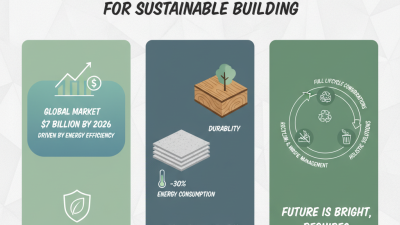
Exterior sheathing plays a critical role in construction projects. It acts as a barrier against moisture, energy loss, and structural damage. According to the U.S. Department of Energy, effective insulating sheathing can reduce energy use by up to 30%. This highlights its importance in energy-efficient building design. Choosing the right material is essential for both durability and performance.
When selecting sheathing, consider environmental exposure. For areas with high humidity, moisture-resistant options are crucial to prevent rot. Research published by the Building Science Corporation indicates that not all materials perform equally; for instance, wood sheathing can absorb moisture while foam board resists it better. Understanding these properties will guide your decision-making process.
Deciding on the type of sheathing can be complex. Consider local climate conditions, building codes, and project budget. Employing a professional to evaluate specific needs can enhance your project’s success. Remember, the right exterior sheathing not only ensures stability but also impacts long-term energy efficiency.
Identifying Different Types of Exterior Sheathing Materials Available
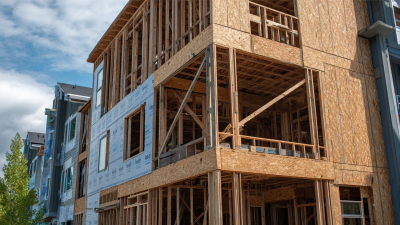
When selecting the right exterior sheathing, understanding your options is crucial. Various materials offer unique benefits and drawbacks. Plywood is a common choice, known for its strength and durability. It provides good insulation but can be prone to moisture damage if not treated properly. On the other hand, oriented strand board (OSB) is an affordable alternative. It's lighter but may lack the long-term performance of plywood.
Fiber cement sheathing is another option. This material is fire-resistant and stands up well to moisture. However, it tends to be more expensive and requires specialized tools for installation. Understanding these materials helps you make informed choices for your project.
Consider how each material interacts with your local environment. For wet climates, moisture-resistant options are essential. Also, think about your budget and how long you plan to stay in your home.
Reflect on how these choices impact energy efficiency. Opting for insulated sheathing can reduce energy costs long-term. Pay attention to installation methods, as a poorly installed sheathing will cause problems later. Balancing cost, performance, and climate can lead to a well-informed decision that stands the test of time.
Evaluating Climate and Environmental Factors for Sheathing Selection
When selecting exterior sheathing, climate and environmental factors play a crucial role. In regions prone to moisture, such as the Pacific Northwest, using sheathing materials that resist mold and mildew is essential. According to the American Wood Council, wood-based sheathing can absorb moisture, which may lead to structural damage if not properly managed. In contrast, foam board sheathing can provide excellent insulation and moisture resistance for colder climates.
A key consideration is local temperature fluctuations. Extreme heat can affect the durability of certain materials. Research shows that expanded polystyrene (EPS) sheathing remains effective in temperatures exceeding 100°F. However, in areas with significant temperature changes, you may need additional insulation strategies.
Consider these factors while planning your project. Assess local weather patterns, historical climate data, and potential environmental concerns. This analysis helps to choose appropriate sheathing that will stand the test of time. When in doubt, consulting with a local expert can provide valuable insights tailored to your specific needs.
Analyzing Cost, Durability, and Performance of Sheathing Options
Choosing the right exterior sheathing involves careful consideration of cost, durability, and performance. Various materials offer unique advantages and limitations. For instance, plywood is often preferred for its balance of cost-effectiveness and strength. It withstands impact well but can be prone to moisture damage if not properly sealed.
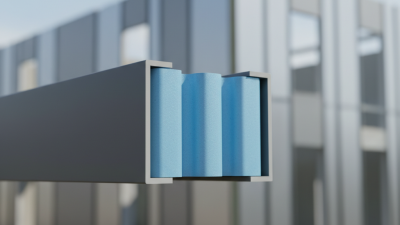
On the other hand, foam sheathing provides excellent insulation. It may be more expensive but can reduce energy costs over time. However, it's crucial to check compatibility with your building's design. Fiber cement is highly durable and resists rot and pests, yet it requires proper installation techniques.
Each option has its strengths and weaknesses. Evaluating the specific conditions of your project will lead to better choices. Consider climate, building codes, and long-term goals carefully. Conduct thorough research and consult multiple sources to ensure the best selection for your needs.
Assessing Installation Techniques and Maintenance Requirements for Sheathing
Choosing the right exterior sheathing involves understanding the installation techniques and maintenance requirements. Proper installation is crucial. If not done correctly, it can lead to water infiltration and structural damage. Each type of sheathing has specific installation guidelines. Following these ensures the longevity of your project. For example, plywood sheathing requires proper nailing patterns to avoid gaps.
Maintenance plays a significant role in the durability of your sheathing. Many homeowners overlook this aspect. Regular inspections for signs of damage or wear are essential. If moisture is detected, it must be addressed immediately. Waiting can create bigger issues down the road. Additionally, some sheathing materials may need periodic sealing or painting to maintain their effectiveness.
Reflecting on previous projects can provide valuable insights. What worked well? What didn't? Learning from past mistakes can lead to better choices in the future. Seek advice from professionals when needed. A well-informed decision can save you time and money in the long run.
How to Choose the Right Exterior Sheathing for Your Project? - Assessing Installation Techniques and Maintenance Requirements for Sheathing
| Sheathing Type |
Material |
Installation Technique |
Maintenance Requirements |
Cost Range (per sq. ft.) |
| Plywood |
Wood |
Nailed or screwed to framing |
Periodic inspection for rot, repainting every 5-7 years |
$1.50 - $2.50 |
| OSB (Oriented Strand Board) |
Wood strands |
Nailed or screwed to framing |
Check for swelling or water damage, repaint if necessary |
$1.00 - $2.00 |
| Cement Board |
Cement and cellulose |
Screwed to framing with sealing of joints |
Minimal maintenance, inspect for cracks |
$2.50 - $4.00 |
| Foam Board |
Polystyrene or Polyurethane |
Adhered or mechanically fastened |
Check for moisture infiltration, replace damaged boards |
$1.50 - $3.00 |
| Fiber Cement Board |
Cement, sand, and cellulose fibers |
Screwed to framing, sealed at edges |
Inspect for paint peeling, repaint every 10-15 years |
$3.00 - $5.00 |