Why is Composite Deck Installation the Best Choice for Your Home?
Composite deck installation has become a popular choice for homeowners looking to enhance their outdoor spaces. According to a recent report from the Remodeling Magazine, composite decking can return up to 68% of its value at resale, making it a wise investment. With advancements in technology, today's composite materials offer durability and aesthetic appeal unmatched by traditional wood decks.
Industry expert Michael Henson states, "Composite deck installation not only reduces maintenance but also contributes to long-lasting beauty." This insight highlights the practical benefits of choosing composite materials. Homeowners can enjoy a stylish deck without the constant upkeep that real wood demands. With options that mimic the look of natural wood, composite decking provides versatility for any design preference.
Despite the clear advantages, some may question the initial costs of composite deck installation, which can be higher than wood. However, the long-term savings on maintenance and repairs often outweigh the upfront expense. As the market continues to grow, composite materials are becoming more competitive in pricing, making them an appealing choice for anyone looking to upgrade their home.
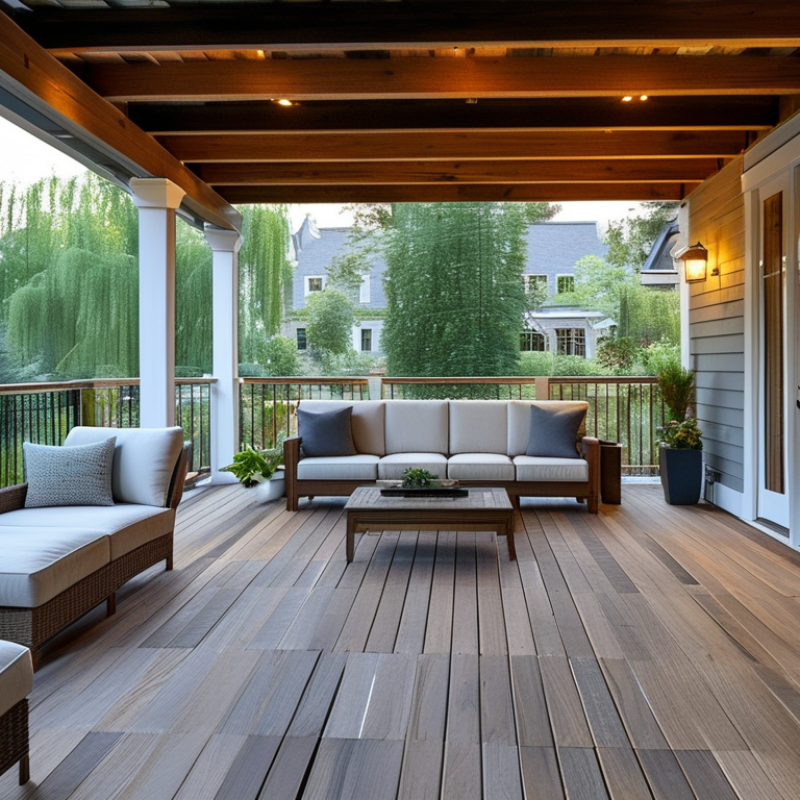
Benefits of Composite Decking Compared to Traditional Materials
Composite decking offers numerous advantages over traditional materials. First, it requires minimal maintenance. Unlike wood decks, composite materials resist warping and splintering. This means less time spent on repairs and more time enjoying your outdoor space. Many homeowners appreciate the ease of cleaning composite surfaces. A simple wash with soap and water can restore their appearance, while wood may need staining or sealing.
Another compelling benefit is durability. Composite decks can withstand weather changes without fading or deteriorating. They are resistant to insects and do not require regular treatments like traditional wood. This longevity can ultimately save you money in the long run. Investing in composite materials means fewer replacements and repairs over the years.
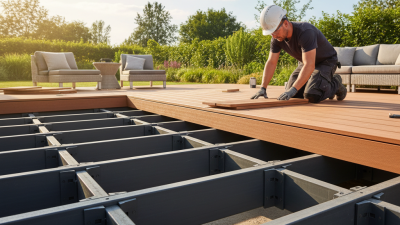
When planning your project, consider choosing colors that complement your home’s architecture. This can enhance your home’s curb appeal. Calculate the total area needed to ensure you purchase the correct amount. Additionally, think about how you will use the space. Will it be for entertaining or relaxation? Tailoring your design to your needs makes the investment more worthwhile.
Durability and Longevity: Why Composite Decks Stand the Test of Time
Composite decks have gained popularity due to their remarkable durability and longevity. Unlike traditional wood decks, composite materials resist rot, warping, and splintering. This means less maintenance over time. Homeowners appreciate the time saved from sanding, staining, or sealing. A composite deck can maintain its appearance for years, even with varying weather conditions.
In harsh climates, composite decks withstand extreme temperatures and moisture. They do not absorb water like wood, reducing the risk of mold growth. Homeowners often notice the difference after a few seasons. Some might wonder about initial costs, yet the long-term savings on repairs and maintenance can be significant. This perspective often leads to reflections on the value of investing upfront.
While composite decks are highly durable, they are not entirely free from challenges. Some colors may fade slightly over time, though many still find it acceptable. It's essential to think about your specific circumstances and preferences. Assessing the climate, usage, and expected lifespan can guide your decision. Ultimately, choosing composite decking represents a blend of practicality and aesthetic appeal for many homeowners.
Low Maintenance Requirements for Composite Deck Installations
Composite deck installations offer a low-maintenance alternative that appeals to many homeowners. Unlike traditional wood decks, composite materials do not require regular staining or sealing. According to a recent industry report, about 70% of homeowners who choose composite decks cite low maintenance as their primary reason. This means less time and money spent on upkeep, allowing for more enjoyment of outdoor spaces.
Cleaning a composite deck is straightforward. A simple wash with soap and water is typically enough to keep it looking fresh. Research shows that composite decks are resistant to fading, staining, and mold, which are common concerns for wooden decks. Yet, it is essential to note that neglect can lead to some problems. For instance, leaving debris on the deck may result in discoloration over time.
A survey by the American Society of Landscape Architects indicated that homeowners are increasingly prioritizing ease and convenience. While composite materials provide many advantages, some may still experience a learning curve regarding proper care. Being aware of potential maintenance needs is part of the responsible ownership of composite decks. Despite lower requirements, minor, sporadic maintenance checks are still recommended to ensure longevity.
Low Maintenance Requirements for Composite Deck Installations
Environmental Benefits of Choosing Composite Materials for Decks
Composite deck installation offers significant environmental benefits, making it a superior choice for homeowners. One key advantage is the use of recycled materials. Many composites incorporate wood fibers and plastic recycled from everyday products. This reduces waste in landfills and supports a circular economy, promoting sustainability.
However, installation requires some consideration. Homeowners should ensure that the composite materials they choose are sourced responsibly. Look for manufacturers who prioritize sustainable practices. Understanding the lifecycle of materials is crucial.
Tips for choosing eco-friendly composites include reviewing certifications for recycled content and checking for low VOC emissions. Consider the product’s longevity as well. Higher quality composites may cost more upfront but can last significantly longer, leading to less frequent replacements and further environmental savings.
Remember, while composite materials have advantages, not all options are created equal. Some may still contribute to pollution during production. Researching and selecting the right product can have a lasting impact on both your home and the planet.
Design Versatility and Aesthetic Appeal of Composite Decking Options
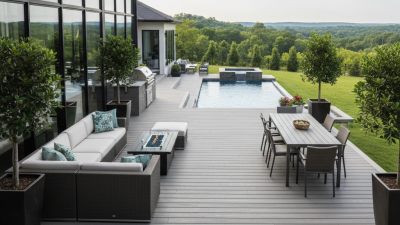
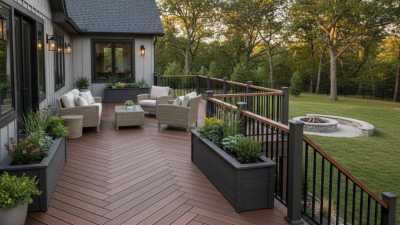
Composite decking options offer remarkable design versatility and aesthetic appeal, making them an outstanding choice for homeowners. With numerous colors and textures available, homeowners can create a unique look that complements their property. According to a recent report by the American Institute of Architects, nearly 70% of architects recommend composite materials for outdoor spaces due to their adaptability and modern appeal.
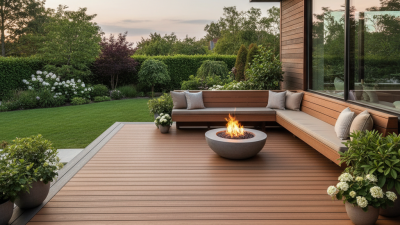
In addition to aesthetic flexibility, composite decking mimics natural wood grain, providing a warm and inviting atmosphere. This durability also makes it a reliable choice against the elements. A survey from the National Association of Home Builders found that 80% of homeowners value low maintenance alongside pleasing design. However, some homeowners express concerns about the initial cost compared to traditional wood.
Ultimately, while the upfront investment can be higher, the long-term benefits often outweigh the challenges. Composite materials withstand fading and warping better than their wooden counterparts. The ability to customize color and texture allows for personal expression, enabling homeowners to reflect their style. Balancing cost with aesthetic desire can certainly provoke thought.