What is a composite panel and its benefits for buyers?
In today's construction and design landscape, the composite panel stands out as an innovative solution. Composite panels are engineered materials made from a core of insulating material sandwiched between two layers of durable surface material. This unique structure provides significant advantages over traditional building materials. Buyers increasingly recognize the benefits of composite panels, such as their lightweight nature and ease of installation.
The durability of composite panels is another key advantage. They resist harsh weather conditions, which enhances their longevity. Additionally, these panels offer excellent thermal insulation, leading to energy savings for homeowners and businesses alike. However, potential buyers should be cautious. Not all composite panels are created equal; lower-quality options may not provide the same benefits.
Understanding the specifics of composite panels can empower buyers to make informed decisions. It’s essential to consider factors like material quality, installation processes, and the intended application. The right choice can lead to enhanced efficiency and cost-effectiveness, while the wrong choice might result in disappointment. Overall, composite panels offer a blend of practicality and innovation, making them a worthy consideration for modern construction projects.

What is a Composite Panel and Its Composition Elements
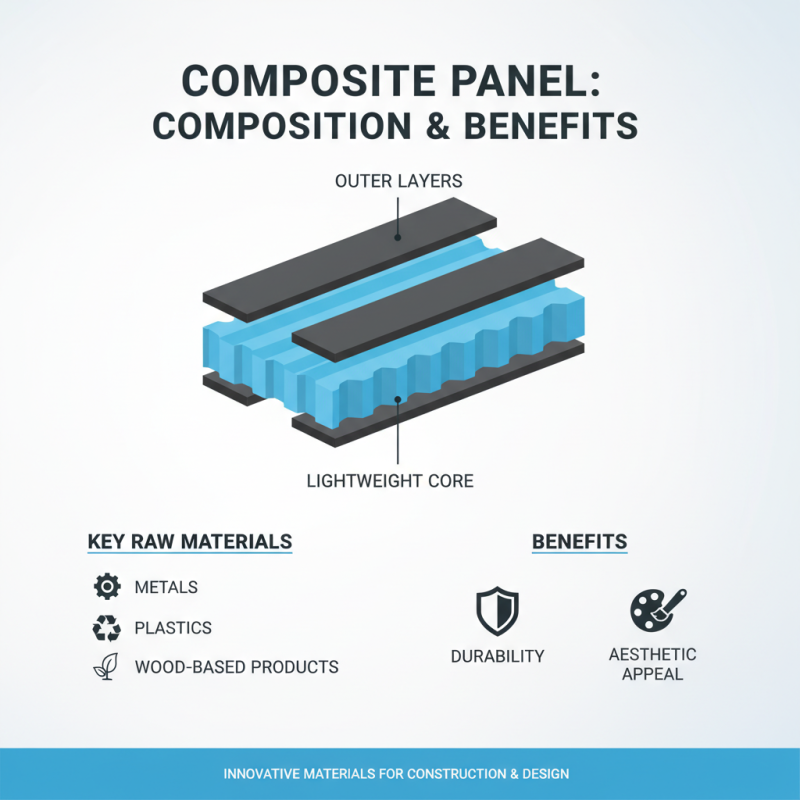
Composite panels are innovative materials widely used in construction and design. They generally consist of two outer layers and a lightweight core. This unique composition offers considerable benefits. Key raw materials often include metals, plastics, or wood-based products, providing both durability and aesthetic appeal.
Healthier living spaces are increasingly favored by buyers. According to the US Department of Energy, composite panels can improve energy efficiency by up to 20%. This is due to their excellent insulation properties. Often used in walls and roofs, they help lower energy costs over time. However, sourcing sustainable materials remains crucial. Not all composites are eco-friendly. Awareness of origins is vital for responsible choices.
Design versatility is another noteworthy advantage. Composite panels can be shaped and finished in various ways. Their lightweight nature allows for easy installation. However, quality can vary significantly among manufacturers. Buyers should evaluate performance reports carefully. Research reveals that choosing high-quality panels can lead to fewer maintenance issues. Long-term reliability must remain a priority in decision-making.
Key Characteristics of Composite Panels in Construction Industry
Composite panels are gaining popularity in the construction industry. These panels consist of multiple layers, combining different materials. This unique structure provides enhanced strength while reducing overall weight. They are often made of materials such as aluminum, wood, or plastic. The synergy between these components results in excellent thermal insulation and acoustic properties.
Another key characteristic is their versatility. Composite panels can be customized to fit specific design needs. Builders appreciate their durability, which extends the lifespan of structures. Despite their many advantages, there is room for improvement in terms of recyclability. The industry must explore innovative methods to enhance this aspect.
Moreover, the installation process can be challenging. It requires skilled workmanship to ensure structural integrity. Improper installation may lead to problems like moisture intrusion and air leaks. Buyers should weigh these factors before making decisions. Understanding both the benefits and limitations ensures informed choices in construction projects.
What is a composite panel and its benefits for buyers? - Key Characteristics of Composite Panels in Construction Industry
| Characteristic |
Description |
Benefits for Buyers |
| Durability |
Composite panels are resistant to weather, corrosion, and wear. |
Reduces long-term maintenance costs and enhances lifespan. |
| Lightweight |
Constructed with lightweight materials that offer strength without bulk. |
Easier handling and transportation, leading to reduced installation costs. |
| Insulation |
Provides excellent thermal and acoustic insulation properties. |
Increases energy efficiency and improves comfort inside buildings. |
| Versatility |
Can be used in various applications from walls to ceilings and roofs. |
Flexibility in design and function, allowing for creative architectural solutions. |
| Aesthetics |
Available in various finishes, colors, and textures. |
Enhances the visual appeal of buildings, increasing property value. |
Comparative Analysis: Composite Panels vs. Traditional Materials
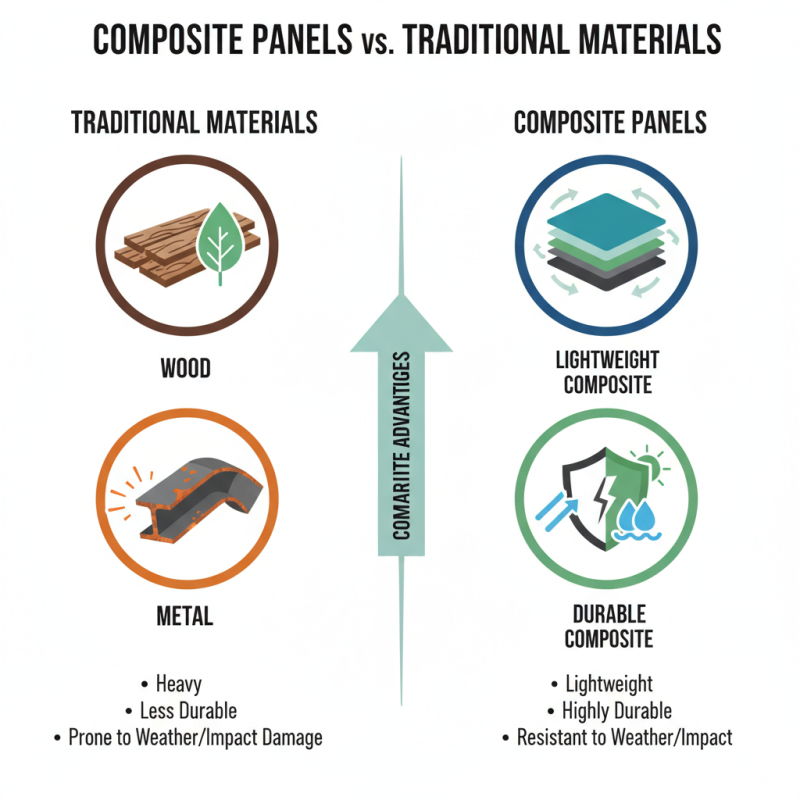
Composite panels offer a blend of materials, providing advantages over traditional options. While wood and metal have long been standard, composite panels present unique benefits. They often feature a lightweight design, making transportation and installation easier. Their durability means they resist weathering and impact better than many traditional materials.
In terms of thermal efficiency, composite panels outperform conventional methods. They provide better insulation, which can lead to energy savings. However, some may question their long-term environmental impact. The recycling of composites is not as straightforward as that of natural materials. This raises important questions about sustainability.
Cost is another area of concern. While composite panels can be initially pricier, their longevity may offset this expense over time. Buyers must carefully weigh these factors. Are the long-term savings worth the upfront costs? The decision requires a thorough review of the project needs and material options available.
Cost-Effectiveness of Composite Panels for Building Projects
Composite panels are becoming a popular choice in building projects due to their cost-effectiveness. These panels, made from multiple materials, offer strength and durability at a lower price compared to traditional building materials. Builders can save significantly on labor and installation costs, making them an attractive option for budget-conscious projects.
The lightweight nature of composite panels simplifies transportation and installation. This can reduce project timelines and lead to faster completion. However, it's essential to consider environmental impacts and long-term performance. Not all composite panels are created equal, and some may not meet the required standards for insulation or fire resistance.
Buyers should evaluate their specific needs and do thorough research before selecting composite panels. While these materials can provide cost benefits, it’s important to ensure they align with project goals and safety standards. Proper selection and application can lead to impressive results, but mistakes in choice can lead to increased future costs. Balancing cost and quality is key in any building project.
Environmental Impact and Sustainability of Composite Panels
Composite panels are increasingly recognized for their positive environmental impact. These panels often use recycled materials, reducing the need for new raw resources. This process lowers the carbon footprint associated with their production. Moreover, they can often be fabricated with less energy compared to traditional materials. This aspect makes composite panels a sustainable choice for eco-conscious buyers.
Sustainability goes beyond just materials. Composite panels can enhance energy efficiency in buildings. They offer excellent insulation, helping to maintain comfortable indoor temperatures. Consequently, this reduces heating and cooling costs. However, the manufacturing processes can sometimes involve harmful chemicals. It’s essential to ensure that the production methods are eco-friendly. Buyers should inquire about the source of materials and the environmental practices of manufacturers.
Despite their benefits, some challenges remain. Not all composite panels are created equal. Variability in quality can affect performance and durability. Therefore, buyers need to conduct thorough research. It is crucial to weigh the benefits against potential drawbacks. This way, purchasing decisions can align with both environmental values and practical needs.