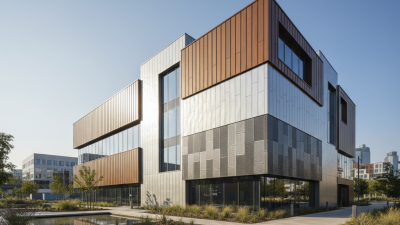
Installing metal panel roofing effectively can transform your building's exterior. Metal panels offer durability and modern aesthetics. They come in various styles and colors, making them versatile for different designs.
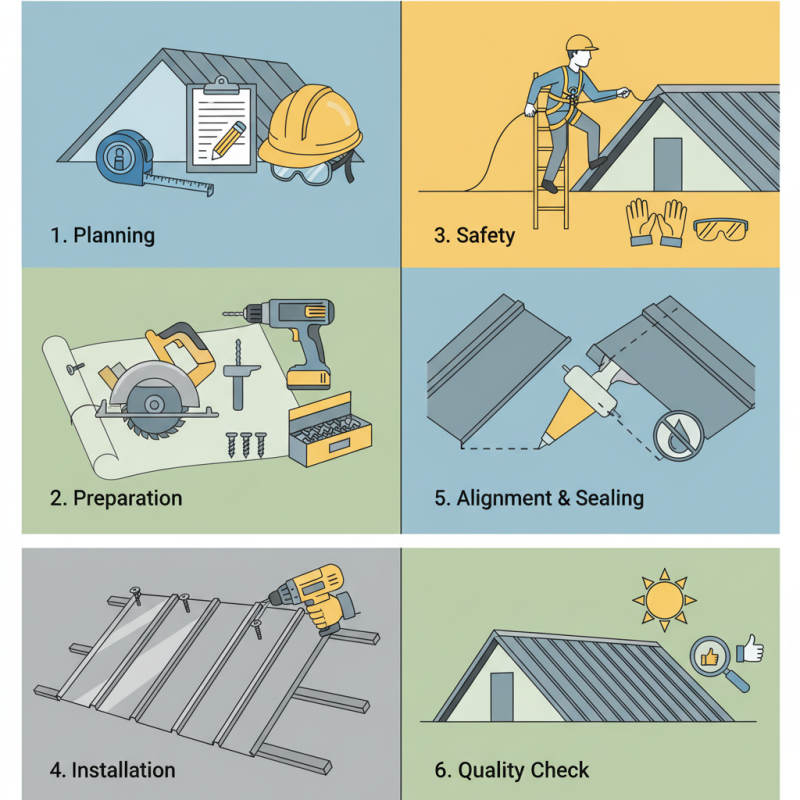
When you consider a metal panel roof, preparation is essential. Measure your roof accurately. Gather the right tools and materials. It’s easy to overlook small details that can lead to mistakes. Ensure you follow safety protocols throughout the process.
Take your time with installation. Proper alignment is crucial for a seamless finish. Watch for gaps and misalignments. Even a small error can cause leaks. Reflection on your methods can help identify areas for improvement. Prioritize quality in every step, from fastening to sealing.
Choosing the right type of metal panel roofing is crucial for your project's success. Metal roofing systems come in various materials, including steel, aluminum, and copper. Each material has unique characteristics. For instance, steel roofing offers strength and affordability, while aluminum is lightweight and resistant to corrosion. According to the Metal Construction Association, about 75% of commercial buildings are opting for metal roofs due to their durability and sustainability.
Consider the climate in your area. In regions with heavy snowfall, a steeper slope is beneficial. This helps snow and ice slide off efficiently. On the other hand, flat or low-sloped roofs work better in warmer climates. A report by Roofing Insights revealed that 40% of homeowners reported better energy efficiency after switching to metal roofing. While this sounds promising, it's essential to understand that installation quality significantly affects performance.
Visual details matter. Color, finish, and design should match the architecture of your building. A poorly chosen color can clash with the overall aesthetics. Remember, metal panels can be prone to expansion and contraction due to temperature changes. This could lead to issues if not installed correctly. Reflect on these factors carefully to avoid potential problems down the line.
| Roofing Type | Material | Average Lifespan (Years) | Cost per Square Foot | Energy Efficiency |
|---|---|---|---|---|
| Standing Seam | Steel | 40-60 | $5.00 - $10.00 | High |
| Corrugated Panels | Aluminum | 20-30 | $3.00 - $6.00 | Moderate |
| Metal Slate | Zinc | 50-100 | $8.00 - $12.00 | Very High |
| R-panel | Galvalume | 30-50 | $4.00 - $8.00 | High |
| Metal Shingles | Copper | 50-100 | $7.00 - $15.00 | Very High |
Preparing your roof deck for metal panel installation is crucial for a successful outcome. Start by ensuring the surface is clean and free of debris. Dirt and leaves can interfere with the installation process. Look for any signs of damage. Punctures or rot must be fixed before proceeding. These imperfections can lead to leaks later on.
Next, check for adequacy in your roof’s structure. It should support the weight of the metal panels. Old roofs may need reinforcement. Study your measurements carefully. Miscalculations can waste materials and time. Make a list of necessary tools and materials. Disorganization can lead to mistakes on site.
Lastly, consider installing an underlayment. It adds a layer of protection against moisture. Make sure it’s evenly spread. Overlapping seams is essential to prevent water infiltration. Pay attention to detail; even small mistakes can cause problems down the line. Planning and preparation make the installation process smoother.
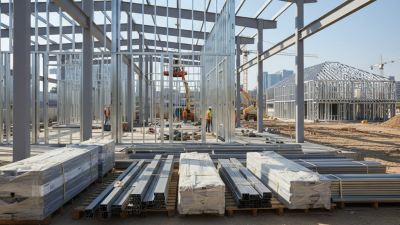
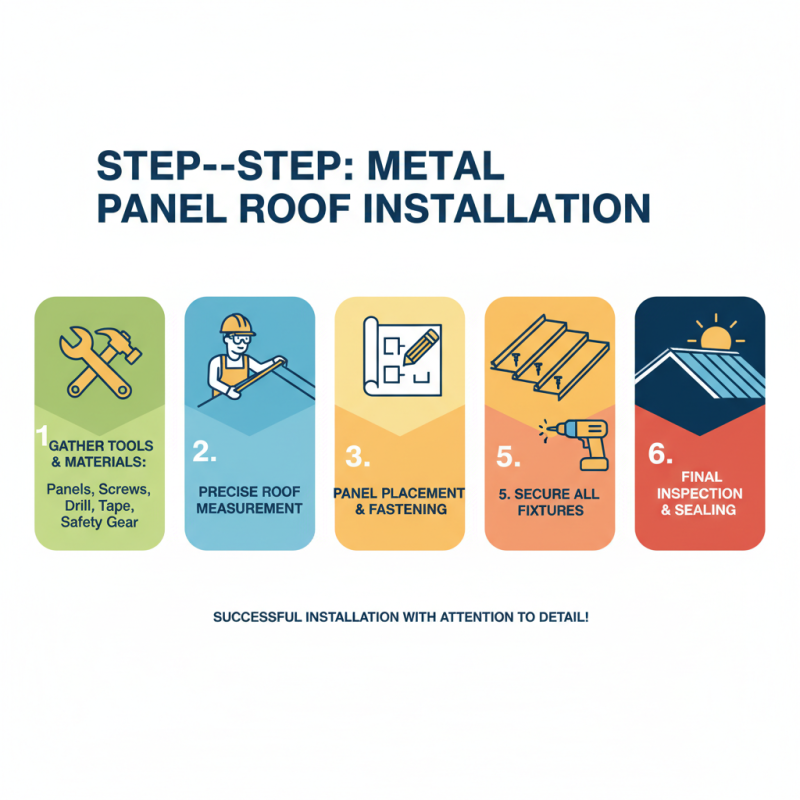
Installing metal panel roofing requires careful planning and execution. Begin with gathering all necessary tools and materials. You will need metal panels, screws, a drill, a measuring tape, and safety gear. Ensure that you measure your roof precisely, as inaccuracies can lead to wasted materials. A keen eye for details is crucial.
As you start the installation, line up the first metal panel at the edge of the roof. Attach it securely using screws at regular intervals. Avoid placing screws too close to the edge; this can cause the panels to warp over time. Each panel should overlap the previous one to prevent leaks. Take your time here. Rushing can lead to alignment issues, which are tough to fix later.
Tips: Check the weather forecast before you begin your project. Working in dry conditions will help you avoid complications. Always wear protective gear to prevent accidents. Double-check all measurements and alignments, since errors can be costly. Do not hesitate to ask for help. Sometimes an extra pair of hands makes a big difference.
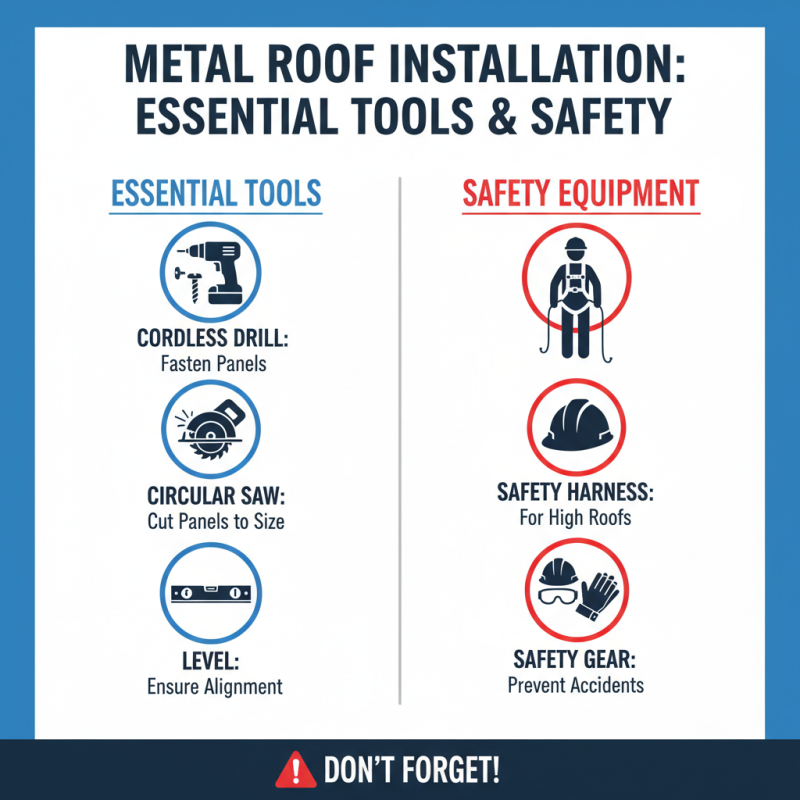
Installing metal panel roofing requires careful planning and the right equipment. Essential tools are crucial for a successful project. A cordless drill makes fasteners easy to install. A circular saw helps cut panels to size efficiently. Using a level ensures the panels are aligned correctly. A safety harness may be necessary when working on high roofs. Forgetting safety gear can lead to accidents.
Safety equipment is equally important. A hard hat protects against falling debris. Non-slip shoes provide traction on slippery surfaces. Safety glasses guard against metal shavings. Gloves protect your hands while handling sharp edges. Many overlook these items, but they are vital. You can't afford to take shortcuts with safety.
Mind the weather conditions before starting. Rain or strong winds can pose risks. Proactive measures ensure a smoother installation process. A checklist of tools and safety gear can help. It’s easy to skip items, but this oversight can lead to complications. Always double-check and stay organized for the best results.
Maintaining metal panel roofing is crucial for ensuring its longevity and performance. Regular inspections are essential. Look for rust spots, loose screws, or any signs of wear. Addressing these issues promptly can prevent more significant problems later. Cleaning the roof helps remove debris, which can trap moisture. This moisture can lead to corrosion if left unchecked.
It's important to touch up paint where it may have chipped. This small action can provide protection against rust. Using the right cleaning materials matters too. Avoid harsh chemicals that could damage the finish. Some might overlook the gutters, thinking they aren't related. However, clogged gutters can cause water to back up and damage the roofing panels.
Seasonal checks can help catch problems before they escalate. Winter snow can be heavy. Ensure no ice dams form, as these can cause leaks. Being proactive is better than reactive in roof maintenance. Keeping a maintenance log may also help track issues over time. Not all homeowners do this, but it can be beneficial. A well-maintained roof can last for decades, saving money in the long run.
This chart illustrates the frequency of maintenance activities required for optimal longevity of metal panel roofing over a 10-year period. The activities include Inspections, Cleaning, Repairs, and Coating Application.