2026 How to Choose the Best Composite Deck for Your Outdoor Space?
When considering your outdoor space, a composite deck can transform it into a stunning retreat. These decks blend durability with aesthetics. Choosing the right composite deck involves various factors, including material, color, and maintenance needs. Your decision should reflect your lifestyle and how you plan to use the space.
A composite deck offers the promise of low maintenance, yet it often requires some oversight. Over time, you might notice discoloration or fading from prolonged sun exposure. Some products can scratch easily, which might lead to reflections on quality. Understanding these potential issues is crucial when making a choice.
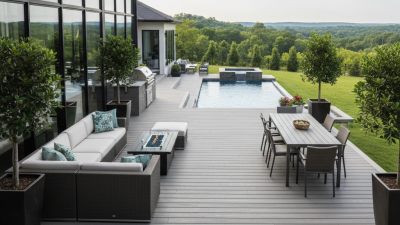
Visualizing your outdoor area can help clarify your vision. Picture gatherings and quiet moments spent on a beautiful deck. The warmth of wood-like appearance adds charm, yet not all composites are created equal. Assessing strength, design flexibility, and environmental factors is essential. All these elements will guide you to the composite deck that best suits your unique outdoor setting.
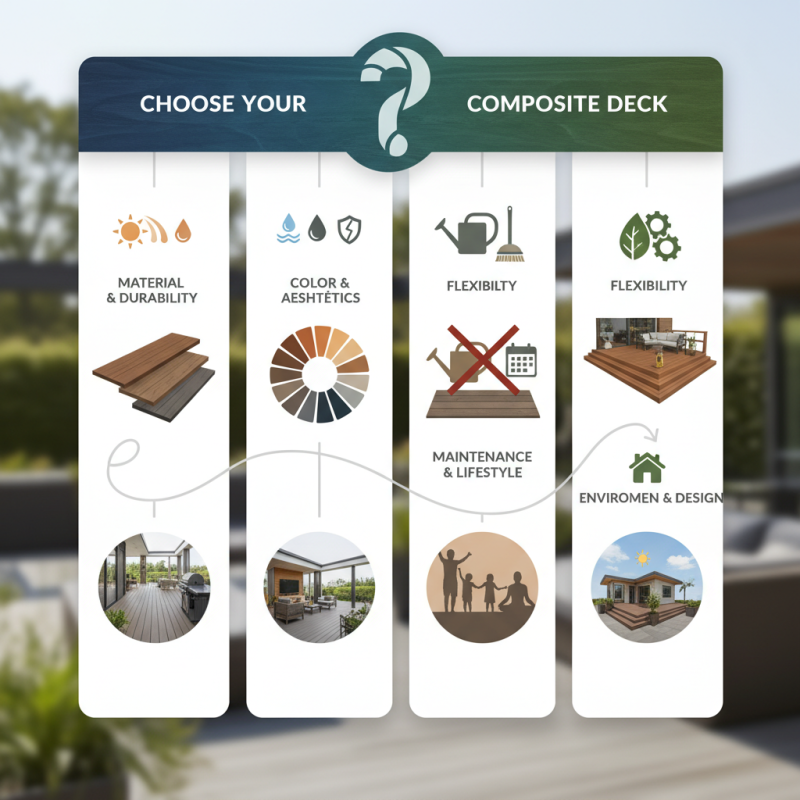
Understanding Composite Decking: Definition and Benefits
Composite decking is a popular choice for outdoor spaces. It combines wood fibers and plastic. This mixture results in durability and lower maintenance needs. According to a 2022 industry report, composite decks can last up to 25 years with proper care. This is a significant improvement compared to traditional wood, which often decays or splinters.
One notable benefit of composite decking is its resistance to moisture. It does not rot easily, making it ideal for various climates. Studies show that it can withstand harsh weather conditions, reducing the need for frequent repairs. However, some homeowners find the initial cost higher than wood. While prices vary, investing in composite can pay off over time.
Moreover, composite decking comes in various styles and colors. This versatility allows for personal expression in outdoor design. Yet, it is essential to choose wisely. Some lower-quality options may fade more quickly. Researching material quality is crucial. Ideally, you want a deck that complements your lifestyle and lasts for years.
Comparison of Composite Decking Materials by Popular Features
This bar chart showcases the comparison of various features of composite decking materials. The data reflects the average ratings based on durability, maintenance, aesthetics, and cost-effectiveness to help you understand the best options for your outdoor space.
Types of Composite Decking Materials: A Comprehensive Overview
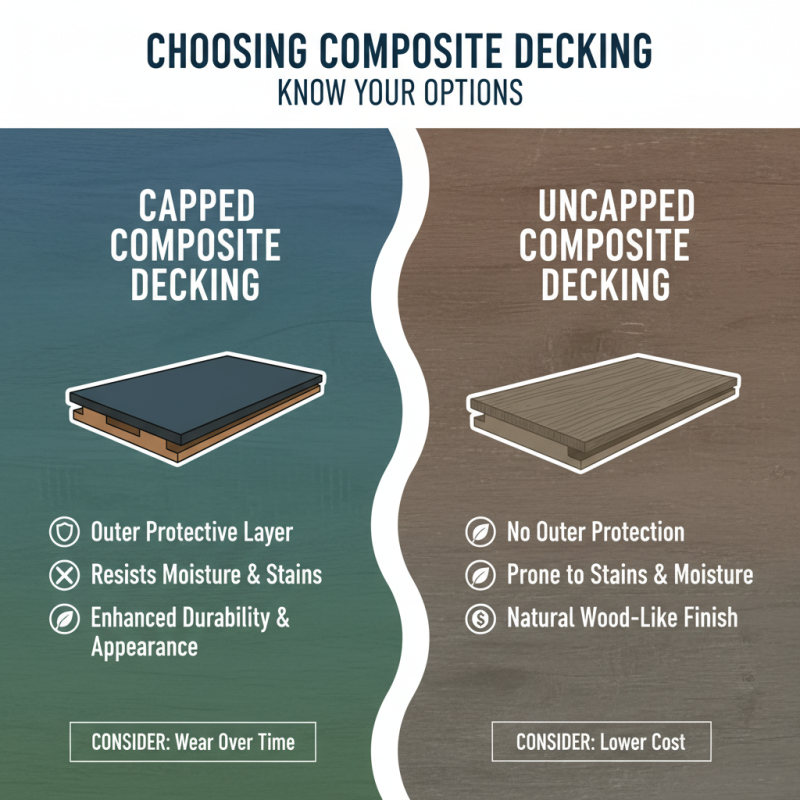
When choosing composite decking materials, it's essential to know your options. There are commonly two types: capped and uncapped composite decking. Capped composites have an outer layer that protects against moisture and stains. This layer can enhance durability and appearance. However, some of these materials may wear out over time. You need to consider whether the benefits are worth the investment.
Uncapped decking, on the other hand, is often more affordable. It provides a natural look but lacks the same protection against elements. Without a protective cover, it may be more prone to fading or cracking. Weighing cost versus long-term performance is crucial. Both types have their pros and cons, and personal preferences play a significant role in the decision-making process. Aesthetic appeal matters.
Consider the lifespan of materials, maintenance needs, and your local climate. Composite decks can range in color and style, making it visually appealing. However, certain colors may show dirt or scratches more easily. Choose wisely to ensure your outdoor space meets your needs and expectations. Reflect on what truly matters for your lifestyle and environment.
Factors to Consider When Choosing a Composite Deck
Choosing the right composite deck for your outdoor space can be tricky. The aesthetic appeal is important, but durability matters too.
Consider the material's lifespan. Some composites last longer than others. Check the weather resistance as well. Your deck will face rain, sun, and snow over time.
Another key factor is maintenance. Different composite decks require various levels of upkeep. Some may need annual sealing, while others are more low-maintenance.
This can affect your time and budget. Think about how much effort you’re willing to invest in maintenance.
Lastly, color and texture choices play a significant role. You want your deck to match your style and home.
Sample a few options to see how they look in varying light. Don’t rush this decision. It’s not just about looks; it’s about comfort too.
A deck should feel inviting. Test how the material feels underfoot.
Is it pleasant, or too rough? Take the time to reflect on these details before making your choice.
Color and Texture Options for Composite Decks
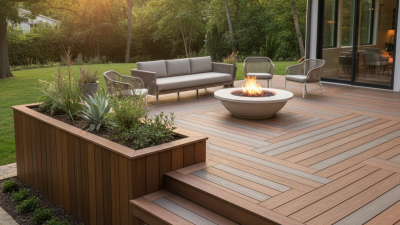
When selecting a composite deck, color and texture are vital elements to consider. Composite materials offer a wide palette of colors. You can choose deep, rich tones or light, airy hues. Some options mimic the appearance of natural wood with stunning realism. This variety helps homeowners express their style while enhancing outdoor spaces.
Texture plays a significant role in both aesthetics and safety. A textured surface can provide better grip, reducing the risk of slipping. Some composites feature a smooth finish, which may be easier to clean. However, smooth decks can become slippery when wet. It’s essential to think about where your deck is located. If it's shaded or prone to water exposure, certain textures may work better.
Compatibility with other outdoor elements is also important. Think about your furniture, plants, and surroundings. A deck that clashes with your garden can disrupt the overall harmony. The right color should complement your home’s exterior but allow for room to grow. Choosing a deck is not just about utility; it’s about creating a cohesive environment.
Maintenance Requirements for Different Composite Decks
Choosing the best composite deck requires understanding its maintenance needs. Different composite materials have varied upkeep. Some decks only need occasional cleaning, while others require more effort.
For low-maintenance options, select products that resist fading and staining. Regularly sweep off debris to prevent mold buildup. Rinse with water to wash away dirt. However, some high-end composites might need special cleaning solutions.
Tips: Check the manufacturer's guidelines for cleaning. This ensures you don't damage the surface. Also, remember that regular inspections are essential. Look for signs of wear or damage. Addressing issues early can save time and money later.
Despite their durable nature, all composites can fade over time. That’s a reality to consider. You might need to re-stain or refinish your deck down the line. Choosing colors that mask fading can be a wise strategy.