What is Light Gauge Steel Framing and Its Benefits for Builders?
Light gauge steel framing is transforming modern construction. This method utilizes thin steel sheets to create a sturdy framework. According to a report by the Steel Framing Industry Association (SFIA), light gauge steel framing has gained significant traction, accounting for about 25% of commercial and residential construction projects in the United States. Builders are increasingly recognizing its benefits.
One of the primary advantages is its resilience. Light gauge steel does not warp, crack, or shrink like traditional wood framing. This durability leads to lower maintenance costs and a longer lifespan for buildings. Additionally, light gauge steel is lightweight but strong, making it easier to handle on-site. However, some may argue it lacks the aesthetic warmth of timber. That said, steel framing allows for more flexible architectural designs.
Another noteworthy benefit is sustainability. Light gauge steel is recyclable and often made from recycled materials. The Environmental Protection Agency (EPA) emphasizes how using steel reduces waste in construction. Despite its growing popularity, builders face challenges such as higher upfront costs. They must weigh these against long-term savings. Ultimately, light gauge steel framing presents a compelling option for forward-thinking builders aiming for innovation and efficiency.
What is Light Gauge Steel Framing?
Light gauge steel framing has gained popularity in modern construction due to its unique properties. This system uses thin steel sheets to create strong, durable frameworks for buildings. Builders appreciate its lightweight nature, which simplifies transportation and handling on site. The material is resistant to pests and mold, making it a smart choice for ensuring structural integrity over time.
Tips: Consider local climate and conditions when choosing framing materials. Steel may conduct heat and cold differently than wood. Proper insulation can address these challenges effectively.
The use of light gauge steel allows for greater design flexibility. Builders can create intricate designs without compromising strength. Additionally, the precision of steel framing leads to less material waste. However, improper installation can lead to issues down the line, such as misalignment or corrosion. It’s crucial to follow best practices during construction.
Tips: Regular inspections during the building process can catch issues early. Train your team on the specific needs of steel construction. Ensuring everyone understands these requirements can save time and resources.
Key Components of Light Gauge Steel Framing Systems
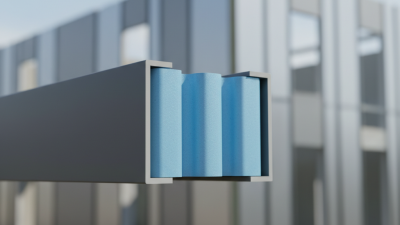
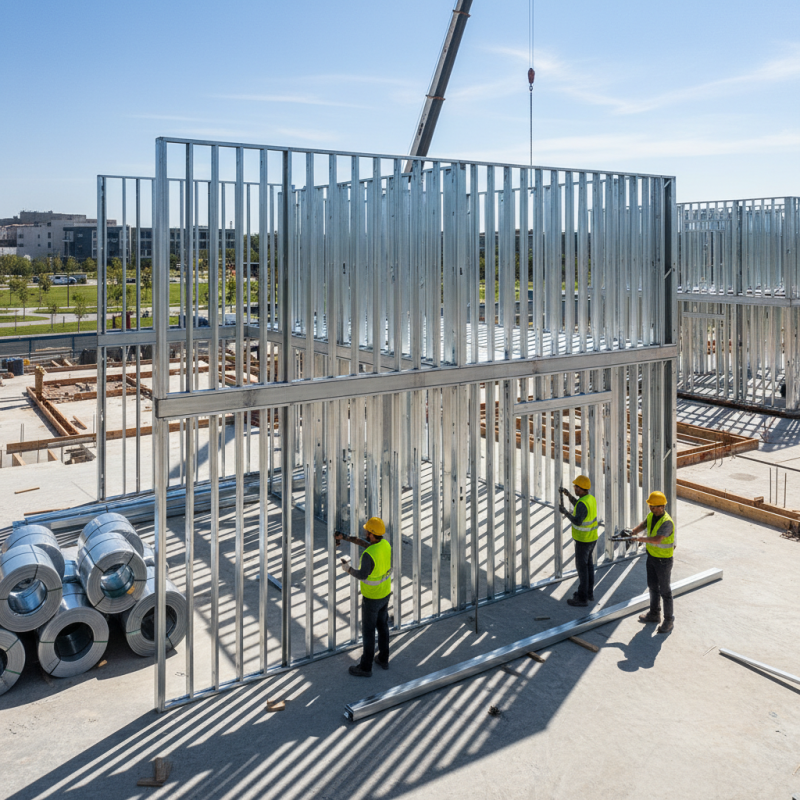
Light Gauge Steel Framing (LGSF) has become popular among builders. Its key components play a vital role in its efficiency and effectiveness. The framing system primarily consists of steel studs, tracks, and connectors. These components create a robust skeleton for various structures. Steel studs are lightweight yet strong, making them perfect for walls and partitions. Tracks serve as the base and top for the studs, ensuring stability.
Installers often overlook the importance of properly sizing the steel components. Using the right dimensions helps in reducing waste. Measured cuts can lead to a successful and efficient build. Always check local building codes. This ensures compliance and reduces future hurdles.
Connectors, such as screws and welds, play a significant role in the assembling process. Properly installed connections can enhance load-bearing capacity. Remember, quality matters. Investing in premium connectors can save costs in the long run. While LGSF systems are less prone to pests, moisture management remains crucial. Reflect on this aspect during construction to ensure longevity.
Advantages of Light Gauge Steel Framing for Builders
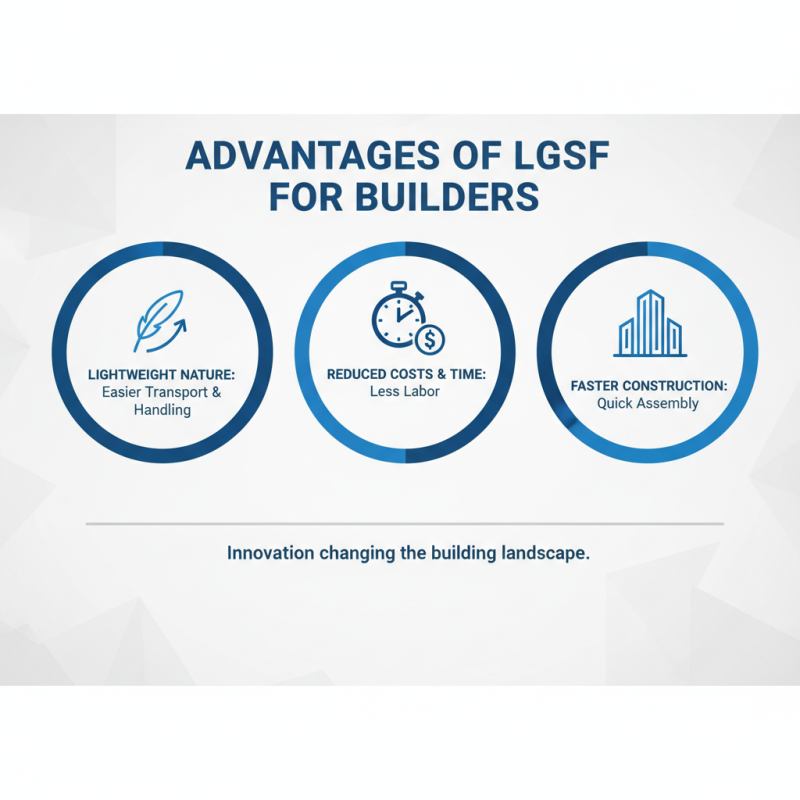
Light Gauge Steel Framing (LGSF) is changing the building landscape. Builders are increasingly adopting this innovative method for various reasons. One prominent benefit is its lightweight nature. This makes transportation and handling much easier on job sites. It can reduce labor costs and time significantly.
Durability is another key advantage of LGSF. Steel frames resist rot, pests, and severe weather conditions. Unlike wood, they do not warp or shrink. This contributes to the longevity of the structures. Builders appreciate that LGSF requires minimal maintenance over time.
**Tips:** When using LGSF, ensure proper insulation to improve energy efficiency. Pay attention to local building codes to avoid potential issues. Always consider environmental factors during the design phase, as LGSF works best in certain conditions.
Comparing Light Gauge Steel Framing to Traditional Building Methods
Light gauge steel framing offers distinct advantages compared to traditional building materials. A report from the Steel Framing Alliance indicates that steel framing can be up to 30% lighter than wood alternatives. This reduction in weight translates to lower transportation costs and ease of handling. Moreover, light gauge steel is recyclable, addressing sustainability concerns prevalent in modern construction.
In terms of durability, light gauge steel framing resists warping and shrinkage. A study in the Journal of Construction Engineering found that steel's resistance to pests further enhances its longevity. On the other hand, traditional wood framing is susceptible to termites and rot. However, some skepticism remains regarding the thermal efficiency of steel. Insulation must be adequately installed to ensure energy efficiency.
Cost implications also present a compelling debate. Initial material costs for light gauge steel can be higher. Yet, the long-term savings in maintenance and durability can offset these costs. Builders today must weigh these factors, considering project timelines and budgets. While light gauge steel framing has clear benefits, there are nuances that require careful consideration.
Comparison of Building Methods: Light Gauge Steel Framing vs. Traditional Methods
This chart compares the benefits of Light Gauge Steel Framing and Traditional Building Methods across various metrics such as Durability, Cost-Effectiveness, Construction Speed, and Environmental Impact.
Applications and Industries Utilizing Light Gauge Steel Framing
Light Gauge Steel Framing (LGSF) has gained traction across various industries due to its versatility and robustness. Construction and engineering sectors extensively use it for residential, commercial, and industrial buildings. According to a report by the Steel Construction Institute, the global light gauge steel framing market is projected to grow by 10% annually, highlighting its increasing relevance. With its lightweight structure, LGSF allows for quicker builds and reduced labor costs. This efficiency is crucial in fast-paced development environments.
In the realm of pre-manufactured structures, LGSF is preferred for modular homes and schools. It provides excellent strength-to-weight ratios, essential for areas prone to seismic activity or hurricanes. A study from the American Institute of Steel Construction shows that structures built with LGSF can withstand greater loads while using fewer materials, nudging builders toward sustainability. However, not all sites are suited for LGSF. Contractors should assess site conditions carefully to avoid complications.
Tip: Always prioritize proper training for your team. Understanding the nuances of LGSF can lead to fewer errors and better project outcomes.
The automotive industry also benefits from LGSF in producing lightweight components. By integrating this framing, manufacturers can enhance vehicle efficiency and performance. While LGSF is not without its challenges, such as potential corrosion in humid environments, careful planning and material selection can mitigate such risks.
What is Light Gauge Steel Framing and Its Benefits for Builders? - Applications and Industries Utilizing Light Gauge Steel Framing
| Dimension |
Description |
| Material |
Cold-formed steel, often galvanized for corrosion resistance |
| Weight |
Lighter compared to traditional steel framing |
| Strength |
High tensile strength while being lightweight |
| Applications |
Residential buildings, commercial construction, and industrial applications |
| Benefits |
Fast construction, energy efficiency, and design flexibility |
| Sustainability |
Recyclable material, contributing to green building practices |
| Cost Efficiency |
Lower labor costs and reduced construction time |
| Fire Resistance |
Non-combustible material, improving fire safety |