What is Panel Systems and How Do They Enhance Modern Space Design?
Panel systems have transformed the way we design and utilize modern spaces. These innovative structures offer flexibility and versatility, making them ideal for various environments. In contemporary architecture, panel systems enhance aesthetics and functionality, allowing for creative designs that adapt to user needs.
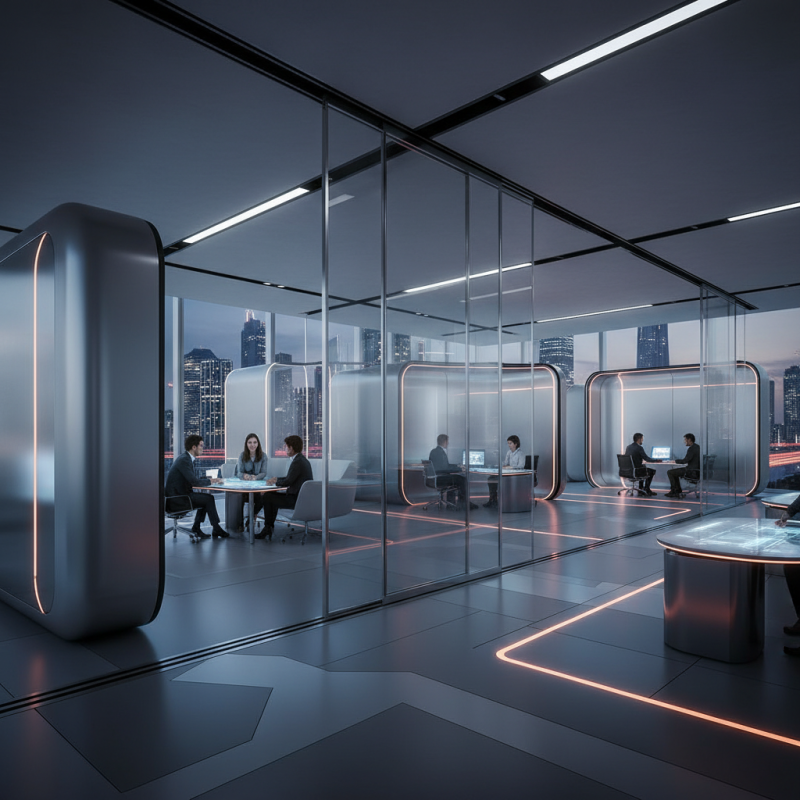
Imagine a workspace where movable panels create dynamic environments. Collaboration rooms can shift to private offices quickly. This adaptability fuels creativity and efficiency. However, it also presents challenges. Not all panel systems function as intended. Sometimes they can be bulky or disrupt flow. Designers must carefully consider these aspects.
The beauty of panel systems lies in their ability to redefine boundaries. They can create open spaces that inspire. Yet, there is a fine line between openness and chaos. Striking the right balance is crucial for effective space design. As more industries embrace these systems, continuous reflection on their impact remains essential.
Understanding Panel Systems: Definition and Key Characteristics
Panel systems have become integral to modern space design, combining aesthetics and functionality. These systems are versatile, allowing for creative arrangements in various environments. They are often prefabricated, which enhances efficiency during installation. According to a recent industry report, the global panel systems market is projected to grow by 8.3% annually over the next five years. This growth indicates a strong shift towards modular solutions in architectural design.
The key characteristics of panel systems include their lightweight structure and ease of customization. They come in various materials, such as metal, wood, and composite substances. This diversity allows designers to create unique spaces tailored for specific needs. However, the reliance on these systems does raise questions about long-term sustainability. Some panels may wear out quicker than traditional building methods, necessitating further investments in the future.
Moreover, integration challenges can arise. Different panel systems might not fit perfectly with existing architecture. Designers must navigate these issues carefully. These challenges highlight the need for thorough planning in projects. Despite these imperfections, the appeal of panel systems continues to grow. Their contribution to modern space design is undeniable, reshaping how we think about our environments.
Historical Development of Panel Systems in Modern Architecture
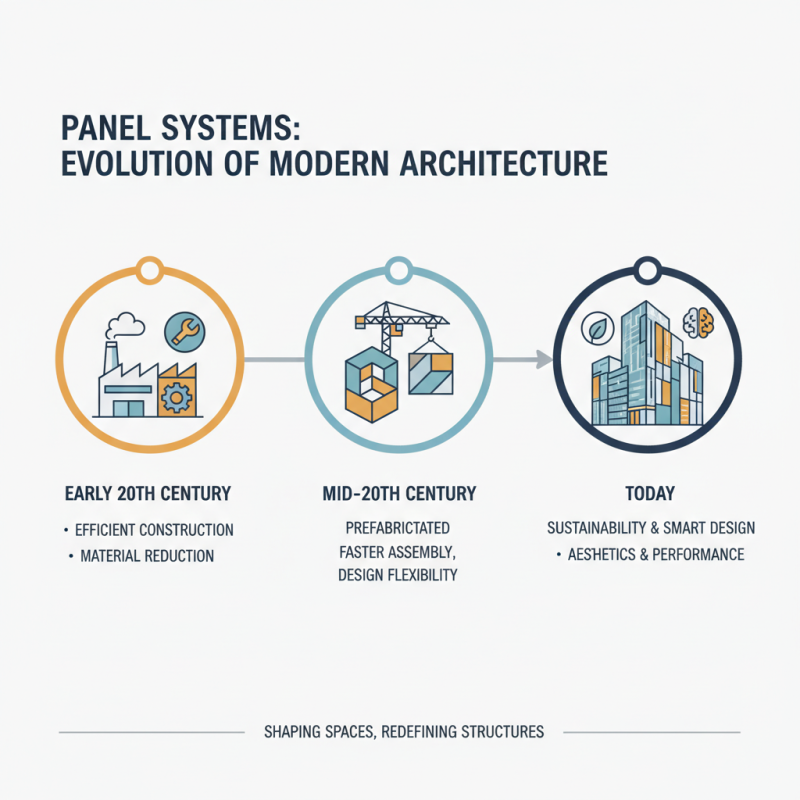
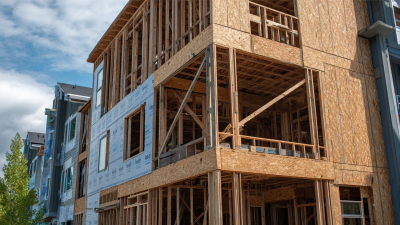
Panel systems have significantly evolved in modern architecture, shaping the way spaces are designed today. Originally, these systems emerged from the need for efficient construction methods in the early 20th century. Architects sought innovative ways to reduce materials while enhancing structural integrity. The use of prefabricated panels began to gain popularity, allowing for faster assembly and greater design flexibility.
As technology advanced, panel systems became more sophisticated. Different materials such as metal, glass, and composite materials were introduced. These materials offered various aesthetic and functional benefits. They allowed for larger spans and unique shapes, contributing to more dynamic architectural forms. In this context, it’s worth noting that panel systems can sometimes create repetitive designs, lacking uniqueness.
Tips: When designing with panel systems, consider combining various materials for a unique look. Avoid using the same panel design throughout, as this can lead to monotonous spaces. Embrace imperfection; sometimes, a flawed panel might speak more about innovation than a perfectly manufactured one. This approach could lead to more authentic spaces that resonate deeply with their intended functions and communities.
Types of Panel Systems: Materials and Their Applications in Design
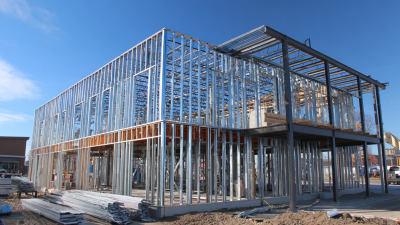
Panel systems have transformed modern space design, incorporating various materials to enhance aesthetics and functionality. These systems come in several types, including wooden panels, metal panels, and composite materials. Each type serves different purposes and offers unique benefits. For instance, wooden panels can create warm, inviting environments, while metal panels provide durability and a sleek, modern look.
Recent reports indicate that the global panel system market was valued at approximately $22 billion in 2022, with a projected growth rate of 5% annually. This growth reflects an increasing demand for versatile design solutions. Many designers favor modular panel systems for their adaptability in both commercial and residential spaces. These systems not only allow for easy installation but also enable quick reconfiguration, which is crucial in fast-paced environments.
Consider the environmental impact of materials used in panel systems. Sustainable options like reclaimed wood and recycled metals are becoming more popular. These choices pose challenges, though. Sourcing quality materials can be difficult, and sometimes, they may not meet specific design standards. The challenge lies in balancing aesthetics, sustainability, and functionality. As designers push for innovation, they must weigh these factors carefully to create harmonious spaces.
Benefits of Using Panel Systems in Space Design: Efficiency and Aesthetics
Panel systems are revolutionizing space design by offering a blend of efficiency and aesthetics. These modular units simplify construction. They allow for quick assembly and disassembly, making remodels easier and less time-consuming. A report from the American Institute of Architects noted that projects utilizing panel systems can reduce construction time by up to 30%. This efficiency is becoming essential in today's fast-paced architectural world.
Aesthetically, panel systems provide flexibility in design. They come in various materials, colors, and finishes, catering to diverse tastes. Studies show that spaces designed with visually appealing panel systems can enhance occupant satisfaction by 25%. However, the design process can sometimes overlook details. Not all panel systems harmonize with existing structures. Choosing the right style, dimensions, and materials requires careful consideration. Some designs may not live up to expectations and can feel disjointed. This disconnect highlights the need for thoughtful integration in the design process.
Future Trends in Panel Systems: Innovations Shaping Interior Environments
Panel systems are transforming interior design, offering versatility and aesthetic appeal. They play a critical role in modern spaces, enabling designers to create unique environments. With advancements in materials and technology, these systems have become more adaptable to various settings. Innovations are driving the trend towards sustainability. Many panels now utilize recycled materials, aiming to reduce waste and carbon footprints.
Smart integration is another emerging trend. Panels equipped with technology can adjust lighting or sound based on user needs. This feature enhances comfort and productivity. However, there's a need for balance. Excessive technology can sometimes overwhelm simple designs, leading to a cluttered look. Designers must navigate these challenges carefully.
Another consideration is the variety of finishes available. Some panels mimic natural materials, while others offer bold colors. The choice can significantly impact a space's atmosphere. Yet, selecting the right finish requires thoughtful reflection on how it fits into the overall design. As panel systems continue to evolve, they will undoubtedly shape the future of interior environments, inviting creative solutions and a thoughtful approach to their application.