Precast Concrete Tips for Global Buyers to Enhance Your Projects
In the evolving landscape of construction, precast concrete plays a pivotal role. According to the Global Precast Concrete Market Report, the industry is projected to reach $153 billion by 2027. This growth highlights the increased demand for efficient, high-quality building materials. Precast concrete offers advantages such as reduced labor costs and shorter construction times, appealing to global buyers.
However, the journey to successful precast concrete projects is not without challenges. Variations in local regulations and material standards can complicate procurement. Focusing on reliable suppliers and understanding regional nuances is crucial. A recent study revealed that improper installation can lead to 30% of precast failures. Thus, educating oneself on best practices is essential.
As the market expands, informed decisions become increasingly important. Understanding the intricacies of precast concrete can enhance project outcomes. Buyers must weigh cost against long-term performance. By doing so, they can ensure the sustainability and durability of their projects.

Essential Factors to Consider When Sourcing Precast Concrete Globally
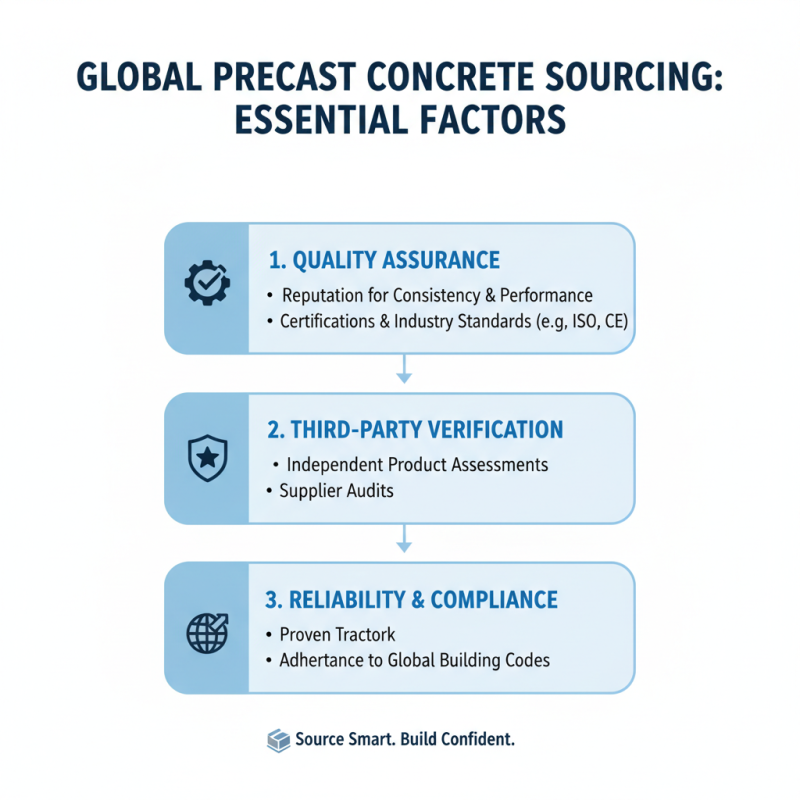
When sourcing precast concrete globally, several essential factors come into play. Quality assurance is paramount. Prioritize sourcing from manufacturers with a solid reputation for product consistency and performance. Verification through certifications and industry standards is crucial. Look for suppliers who demonstrate their commitment to quality through third-party assessments.
Cost considerations are vital but should not compromise quality. Understand the local market dynamics, including labor costs and production capabilities. Being aware of transportation expenses is also crucial, as these can significantly impact your budget. Engaging with suppliers directly can provide insights into their pricing structures and allow for clearer communication regarding your project needs.
Lastly, cultural and logistical factors can affect your procurement process. Establishing a strong relationship with your supplier can lead to enhanced collaboration. Mistakes and misunderstandings may arise. Be prepared to address them openly. Regular communication helps mitigate these challenges. Being adaptable in your sourcing approach will ultimately benefit your project’s success, ensuring that you receive the best precast concrete available.
Key Benefits of Using Precast Concrete in Construction Projects
Precast concrete offers significant advantages for construction projects. One of the key benefits is its durability. Precast elements withstand extreme weather. They resist moisture, mold, and pests, making them ideal for various climates. This longevity translates to lower maintenance costs over time.
Cost efficiency is another essential factor. Precast concrete can be produced in controlled environments, leading to minimal waste. This precision reduces expenses on project sites. Moreover, quicker installation times mean projects can be completed faster. This is especially beneficial for tight schedules.
For buyers, here are some tips: always assess local suppliers to ensure quality. Investigate their production methods and check certifications for reliability. Collaborate closely with engineers early in the design phase. This engagement allows for tailored solutions, maximizing the benefits of precast concrete. Remember, not all projects may suit this material perfectly. Always reflect on project needs before making a choice. Each project is unique, and careful planning is critical.
Precast Concrete Tips for Global Buyers to Enhance Your Projects - Key Benefits of Using Precast Concrete in Construction Projects
| Benefit |
Description |
Environmental Impact |
Cost Efficiency |
| Time-Saving |
Precast concrete allows for simultaneous site preparation and manufacturing of components. |
Reduced construction time leads to lower energy consumption on-site. |
Faster project completion can result in earlier revenue generation. |
| Quality Control |
Manufactured in a controlled factory environment, ensuring high quality. |
Less waste generated compared to traditional construction methods. |
Minimized defects lead to lower repair costs. |
| Aesthetic Flexibility |
Customized designs and finishes can be achieved with precast components. |
Sustainability achieved through local sourcing of materials and reduced transport emissions. |
Versatility in design can attract more clients and increase project value. |
| Durability |
High strength and resistance to environmental factors. |
Longevity reduces the need for replacements and repairs. |
Longer lifespan results in lower lifecycle costs. |
| Safety |
Less on-site labor reduces the risk of accidents during construction. |
Safer construction sites lead to better regulatory compliance. |
Increased safety can decrease insurance costs. |
Tips for Evaluating Precast Concrete Suppliers and Manufacturers
When evaluating precast concrete suppliers, consider their experience and track record. A supplier with years in the industry brings valuable insights. Check their project portfolio for diversity and complexity. This demonstrates their ability to meet varying needs.
Communication is crucial. Effective suppliers maintain open lines and respond promptly. Gauge their willingness to share technical details. Ask about materials used and manufacturing processes. Transparency reflects reliability and builds trust.
Quality control is another vital aspect. Inquire about their quality assurance protocols. Do they conduct regular inspections? Understanding their testing methods can reveal a lot about their standards. Remember, not every supplier will excel in all areas. Each one has strengths and weaknesses. Reflect on your needs and align them with the supplier's capabilities.
Best Practices for Transportation and Handling of Precast Elements
Transportation and handling of precast concrete elements are critical to project success. According to a study by the Precast/Prestressed Concrete Institute, improper handling can lead to over 30% of damage during transit. This underscores the importance of selecting appropriate transportation methods and equipment to minimize risk.
When moving precast elements, use cranes that can adapt to various loads. Ensure that rigging is suited for the specific shapes of the elements. Many handling accidents occur due to inadequate rigging techniques. Training your team on best practices is crucial. In fact, a survey showed that 70% of companies reported fewer accidents after proper training.
During unloading, ensure a clear access path. Consider the local environment, which might include tight site conditions or inclement weather. Each of these factors can impede safe handling. A failure to account for these details can lead to costly delays and damages. Engaging experienced professionals during this phase is advisable. Reflecting on past mistakes can provide valuable insights for future projects.
Precast Concrete Transportation and Handling Best Practices
Quality Control Measures for Precast Concrete Projects Abroad
Quality control is essential for precast concrete projects, especially when working internationally. Different countries have various standards and practices that can affect the outcome of a project. It is crucial to understand these local requirements. Often, documents may be missing or unclear, leading to disagreements. Clear communication with local engineers and contractors can reduce these issues.
Another critical aspect is the inspection process. Regular inspections at various stages of production can identify potential problems early. Ensure samples are tested according to specifications. Sometimes, unexpected results occur during testing, which can be a wake-up call. Proper documentation is also vital. Records of all quality control measures can serve as evidence if issues arise.
Involving local expertise can bridge gaps in knowledge. Local partners understand regional materials and conditions better. Their insights can lead to improved quality. However, relying solely on local suppliers without thorough vetting may lead to reliance on inferior materials. Striking a balance is necessary for achieving high-quality precast concrete. Engaging in continuous learning and adaptation to local situations will enhance project outcomes.