Top Reasons to Choose Composite Decking for Your 2025 Outdoor Projects
When planning your outdoor projects for 2025, the choice of decking material is crucial to achieving a beautiful and functional space. One option that has steadily gained popularity in recent years is composite decking, known for its combination of durability, aesthetic appeal, and low maintenance. As homeowners seek to create outdoor environments that enhance their living spaces, composite decks stand out as a compelling choice that meets both practical and design needs.
The advantages of composite decking go beyond its visual attractiveness. It offers remarkable resistance to weather elements, pests, and rot, making it an ideal material for various climates. With innovations in manufacturing, modern composite decks are designed to closely mimic the look of natural wood while eliminating common drawbacks associated with traditional timber. This makes them not only an environmentally friendly option but also a long-term investment that can elevate your outdoor projects while saving time and resources.
In this article, we will explore the top reasons to choose composite decking for your 2025 outdoor projects, highlighting its benefits and features that can transform your outdoor spaces into beautiful and lasting retreats. Whether you are renovating an existing area or starting anew, composite decking could provide the perfect solution to fulfill your vision.
Benefits of Composite Decking Compared to Traditional Materials
Composite decking has gained significant popularity in recent years, largely due to its numerous advantages over traditional materials like wood. One key benefit is durability; composite decking is engineered to withstand harsh weather conditions, resisting warping, splintering, and insect infestations. According to a report by the Freedonia Group, composite decking is projected to secure 40% of the decking market by 2025, reflecting a growing shift towards materials that promise longevity and less maintenance.
In addition to durability, composite decking offers environmental advantages. Many composite products are made from recycled materials, helping to reduce waste and promote sustainability in outdoor projects. A study from the American Society of Landscape Architects indicates that 85% of homeowners are now more inclined to choose sustainable materials when planning their outdoor spaces. Furthermore, composite decking doesn’t require regular sealing or painting, which decreases the use of harmful chemicals that can impact the environment. As awareness of eco-friendly choices continues to rise, composite decking stands out as a compelling option for those looking to enhance their outdoor areas with minimal environmental impact.
Durability and Longevity: Why Composite Decking Lasts Longer
When considering materials for outdoor decking, durability and longevity are paramount.
Composite decking has gained widespread popularity due to its impressive ability to withstand the elements and resist common wear and tear. Unlike traditional wood, composite materials are engineered to be impervious to rot, splintering, and severe weather conditions. This inherent toughness allows composite decking to maintain its aesthetic appeal and structural integrity over time, making it a practical choice for any outdoor project.
Moreover, the lifespan of composite decking is significantly longer than that of conventional wood decks, with many products on the market boasting warranties that last 25 years or longer. This resistance to fading, staining, and mildew means that homeowners can enjoy their outdoor spaces without the constant upkeep and replacement often associated with traditional materials. Choosing composite decking not only enhances the longevity of your outdoor projects but also promotes a more sustainable approach, as it is often made from recycled materials and requires less resource-intensive maintenance over its life.
Low Maintenance Requirements of Composite Decking
Composite decking has become increasingly popular in recent years, particularly for those looking to enhance their outdoor spaces with minimal upkeep. One of the standout features of composite decking is its low maintenance requirements. Unlike traditional wood decking, which demands regular staining, sealing, and painting, composite materials are designed to withstand the elements without extensive care. According to the North American Decking and Railing Association, homeowners can save up to 40% in maintenance costs over a 10-year period when choosing composite over wood decking.
Additionally, composite decking offers greater durability, which translates to less time spent on repairs and upkeep. A recent study published by the American Wood Council highlights that composite decks are resistant to fading, splintering, and mold growth, making them ideal for those who want to spend more time enjoying their outdoor spaces rather than maintaining them. In fact, more than 70% of homeowners who made the switch to composite reported being concerned with maintenance issues before making the change, indicating a strong demand for low-maintenance solutions in outdoor projects.
Ultimately, for the 2025 outdoor projects, the low maintenance requirements of composite decking not only provide a practical solution but also contribute to a more enjoyable outdoor experience, allowing homeowners to prioritize leisure and relaxation over strenuous upkeep.
Aesthetic Versatility: Design Options for Composite Decking
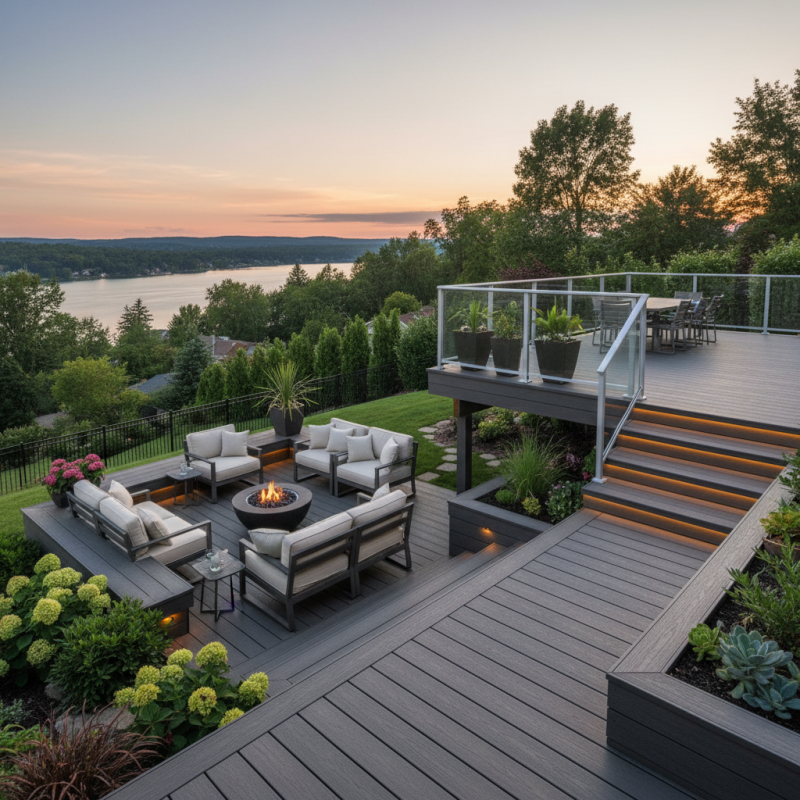
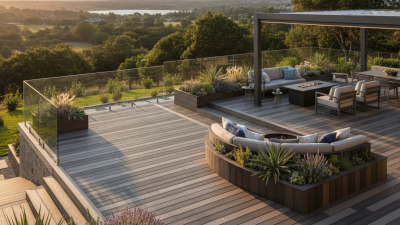
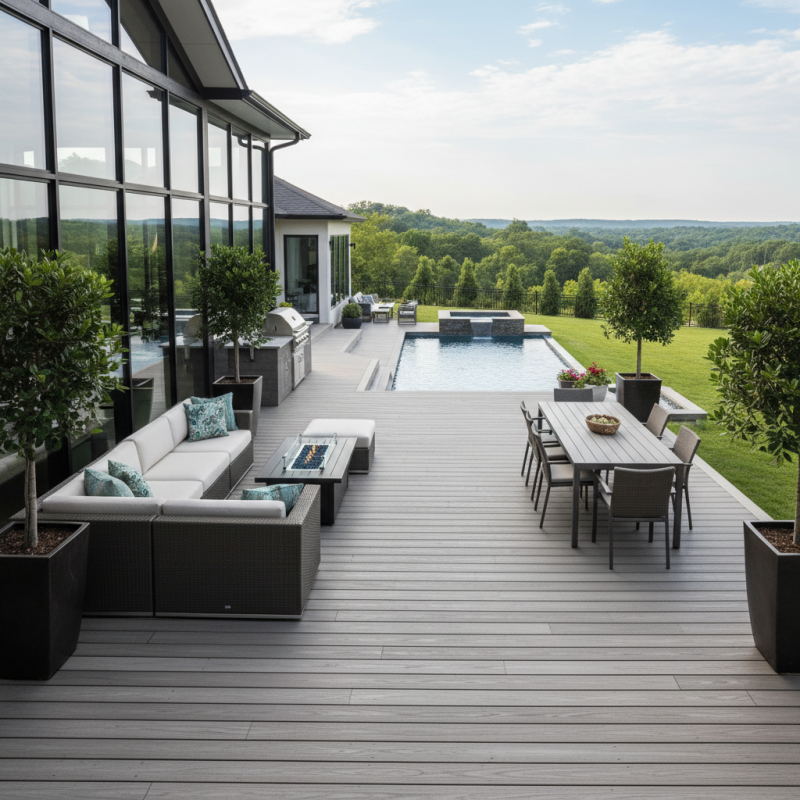
Composite decking has emerged as a popular choice for outdoor projects, and one of its most compelling features is its aesthetic versatility. Offering a plethora of design options, composite decking can mimic the appearance of natural wood while providing enhanced durability and low maintenance. According to a recent report from the Freedonia Group, the demand for composite decking is expected to grow at an annual rate of 6.5% through 2025, with aesthetics being a primary factor in consumer preference. Homeowners can select from various colors, textures, and finishes, allowing them to tailor their outdoor spaces to match personal styles and landscape aesthetics.
In addition to the variety of design options, composite materials allow for innovative architectural features that enhance outdoor living spaces. A study by the American Institute of Architects highlights that outdoor spaces designed with composite decking can increase property value by up to 20%. The ability to create custom patterns and layouts further enhances a homeowner's creative possibilities. Whether opting for a traditional look or a more modern aesthetic, composite decking can blend seamlessly with other outdoor elements, contributing to an inviting and cohesive environment. With such flexibility in design and proven benefits, composite decking stands out as an ideal choice for any outdoor project in 2025.
Top Reasons to Choose Composite Decking for Your 2025 Outdoor Projects
| Feature |
Description |
Benefits |
| Aesthetic Variety |
Available in a range of colors and textures to mimic wood and other materials. |
Enhances outdoor ambiance and complements various architectural styles. |
| Durability |
Resistant to fading, scratching, and staining. |
Long-lasting investment with low maintenance requirements. |
| Sustainability |
Made from recycled materials, reducing environmental impact. |
Appeals to eco-conscious homeowners and promotes green building initiatives. |
| Safety Features |
Slip-resistant surfaces and splinter-free materials. |
Provides a safer environment for families and pets. |
| Easy Installation |
Lightweight design and systems available for faster assembly. |
Saves time and labor costs during project execution. |
Environmental Sustainability of Composite Decking Materials
Opting for composite decking in your outdoor projects not only enhances aesthetic appeal but also significantly contributes to environmental sustainability. Composite decking materials are primarily made from recycled wood fibers and plastic, which helps divert waste from landfills. According to a report by the American Wood Council, the use of composite materials in residential construction can reduce wood consumption by around 40% compared to traditional materials, helping to preserve forests and natural habitats.
Additionally, the production of composite decking has a lower carbon footprint compared to conventional wood or PVC decking options. Research published in the Journal of Cleaner Production indicates that the lifecycle assessment of composite materials reveals a 30% reduction in greenhouse gas emissions. Moreover, since composite decking is designed to resist rotting, fading, and insect damage, it requires less maintenance over its lifespan, further minimizing its environmental impact. By choosing composite decking for your outdoor projects, you not only invest in durability and longevity but also support sustainable building practices that showcase a commitment to environmental stewardship.