How to Source Steel Metal for Your Global Procurement Needs?
Sourcing steel metal is critical for global procurement needs. As of 2023, the global steel market is valued at over $900 billion. This significant figure reflects the growing demand from various industries, including construction and automotive. The World Steel Association reports that steel production reached 1.9 billion metric tons last year, highlighting the industry's robust nature.
However, sourcing steel metal presents challenges. Fluctuating prices and supply chain disruptions can affect procurement strategies. For instance, prices surged by 30% in early 2022 due to geopolitical tensions and rising energy costs. Organizations must stay informed about these trends to make smart purchasing decisions. Reliable suppliers are essential, yet finding them requires thorough research and industry connections.
As buyers navigate this complex landscape, understanding regional steel availability and sustainability practices is vital. The green steel movement is gaining traction, with a report indicating that demand for environmentally friendly steel will increase. Emphasizing quality, cost-effectiveness, and ethical sourcing can pave the way for success in steel procurement.

Identifying Your Steel Metal Requirements for Global Procurement
Identifying your steel metal requirements is crucial for effective global procurement. Start by defining the specifications of the steel you need. Consider factors like grade, thickness, and application. For instance, structural steel demands different properties than stainless steel. It is essential to document these requirements clearly.
Next, engage with suppliers who specialize in your specific steel type. Communication is key here. Discuss your project timelines and volume needs. This conversation can uncover insights about market trends and availability. Don't hesitate to ask for samples. Analyzing these can help you determine the quality that meets your standards.
Be aware that sourcing steel can reveal challenges. Prices fluctuate due to market conditions. Delays in shipments may occur, affecting your project timelines. Prepare for these possibilities by having alternative suppliers in mind. This proactive approach can save time and resources in the long run.
How to Source Steel Metal for Your Global Procurement Needs?
| Dimension |
Type of Steel |
Application |
Region of Supply |
Estimated Cost per Ton (USD) |
| 20mm x 20mm x 5mm |
Mild Steel |
Construction |
North America |
650 |
| 10mm |
Stainless Steel |
Manufacturing |
Europe |
1500 |
| 25mm |
Carbon Steel |
Automotive |
Asia |
700 |
| 15mm x 15mm x 5mm |
Alloy Steel |
Oil & Gas |
Middle East |
950 |
| 30mm |
High Strength Steel |
Infrastructure |
South America |
1200 |
Understanding Various Types of Steel and Their Applications in Industry
Steel is a crucial material in various industries. Different types of steel serve unique purposes based on their composition and properties. Carbon steel is widely used for construction. It has high strength and is cost-effective. However, its lack of corrosion resistance can be a drawback.
Alloy steel combines different elements to improve performance. This type of steel often exhibits better toughness and wear resistance. For instance, chromium and nickel can enhance its durability. On the downside, alloy steel can be more expensive and complex to source.
Stainless steel is known for its corrosion resistance. It’s essential in the food and medical industries. The high chromium content prevents rust, making it ideal for environments with moisture. However, its cost can be prohibitive for some projects. Understanding these variations is vital for making informed procurement decisions. Each type has its advantages and potential limitations.
Steel Types and Their Applications in Industry
Researching Global Suppliers and Manufacturers of Steel Metal
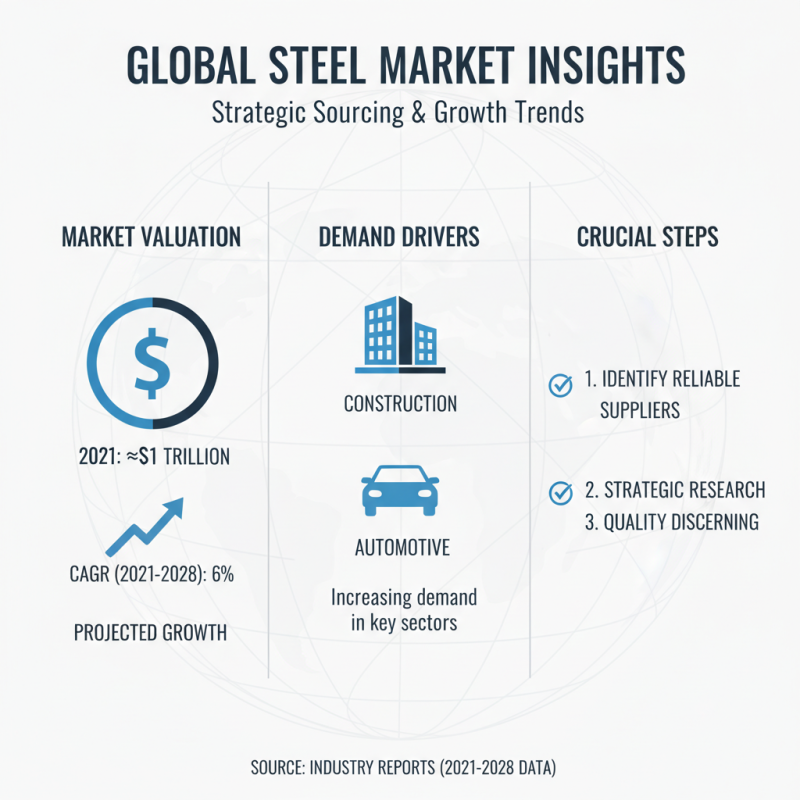
When sourcing steel metal globally, identifying reliable suppliers and manufacturers is crucial. Industry reports indicate that in 2021, the global steel market was valued at approximately $1 trillion, projected to grow at a CAGR of 6% towards 2028. This growth reflects the increasing demand for steel in various sectors, including construction and automotive. However, navigating this expansive market requires strategic research and discernment.
Investigating suppliers involves analyzing their certifications and production capabilities. Many reputable manufacturers adhere to ISO standards, ensuring quality and safety. Supplier directories and trade fairs can provide valuable insights. A recent survey revealed that 45% of procurement managers prioritize supplier reliability and transparency as key selection criteria. Online platforms also play a significant role in connecting buyers with suppliers. However, potential buyers must be cautious of scams and verify each source thoroughly.
Building strong relationships with suppliers can enhance procurement efficiency. Regular communication is essential for negotiating terms and ensuring timely deliveries. Yet, challenges remain in quality control and logistical issues. A study showed that 30% of companies experienced delays due to inadequate supplier management. Reflecting on these aspects can lead to improved sourcing strategies and better overall outcomes.
Evaluating Quality Standards and Certifications for Steel Products
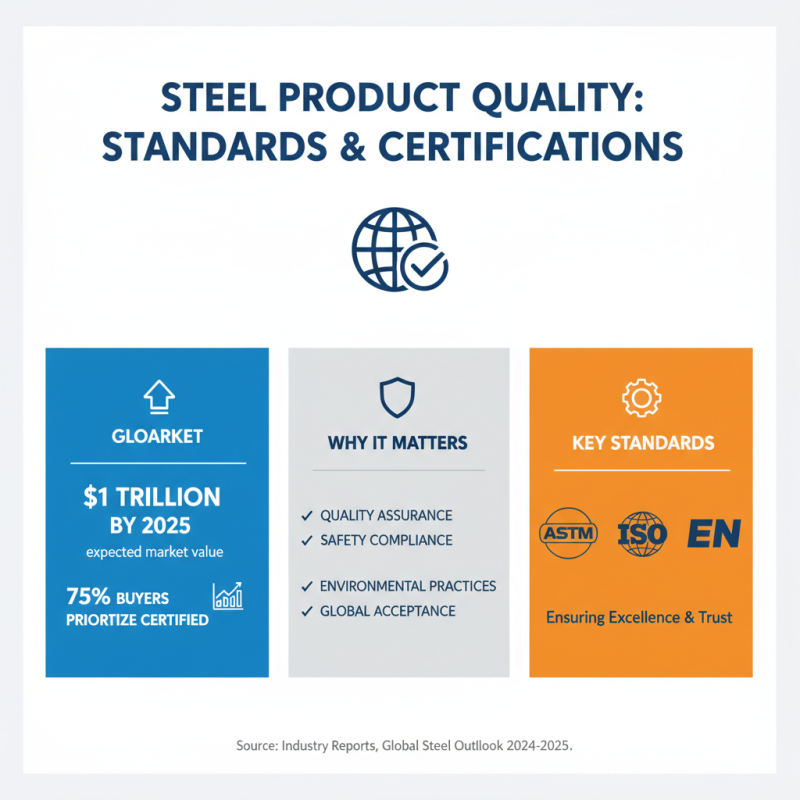
Evaluating quality standards and certifications is crucial in global steel procurement. The global steel market is expected to reach $1 trillion by 2025, with quality assurance being a key driver. Industry reports indicate that about 75% of buyers prioritize certified steel products. Ensuring compliance with international standards like ASTM, ISO, and EN is vital. These certifications indicate adherence to quality, safety, and environmental practices.
Different regions have various certification requirements. For example, in Europe, the EN 10025 standard governs structural steel products. Meanwhile, in the United States, ASTM A36 is a common specification for carbon structural steel. Companies that understand these standards typically face fewer compliance issues. Reports show that companies using certified materials reduce project risks significantly.
However, not all suppliers may meet these high standards consistently. Some might provide documentation without valid verification. It’s essential to conduct regular audits and verify certifications. Blind reliance on certificates could lead to subpar materials. A proactive stance in quality assessment can safeguard your procurement process against potential failures, creating a more resilient supply chain in the long run.
Negotiating Terms and Finalizing Contracts with Steel Suppliers
When negotiating terms and finalizing contracts with steel suppliers, clarity is vital. Industry reports indicate that over 70% of procurement professionals cite contract misunderstandings as a leading cause of delays. Take the time to review terms precisely. Each clause should align with your procurement goals.
Consider pricing structures carefully. Research shows that fixed-price contracts are often more beneficial in volatile markets. This allows for budget stability and reduces financial risks. Address payment terms directly. A 30% upfront payment could be reasonable in certain cases, but always ensure it accounts for the supplier’s production capabilities.
Quality assurance is another critical area. Specify your quality requirements upfront. Contracts should include performance metrics. Regular audits can help verify compliance. Remember, imperfect suppliers exist. Some may not meet all quality standards consistently. Establishing a clear feedback loop can foster long-term partnerships and enhance product quality. Engage in open dialogue with suppliers to build trust and address concerns swiftly.