Top Uses of Steel Posts in Construction and Landscaping?
Steel posts have become integral to modern construction and landscaping. Their versatility and durability make them a popular choice for various applications. From supporting structures to serving as decorative elements, steel posts can enhance both functionality and aesthetics.
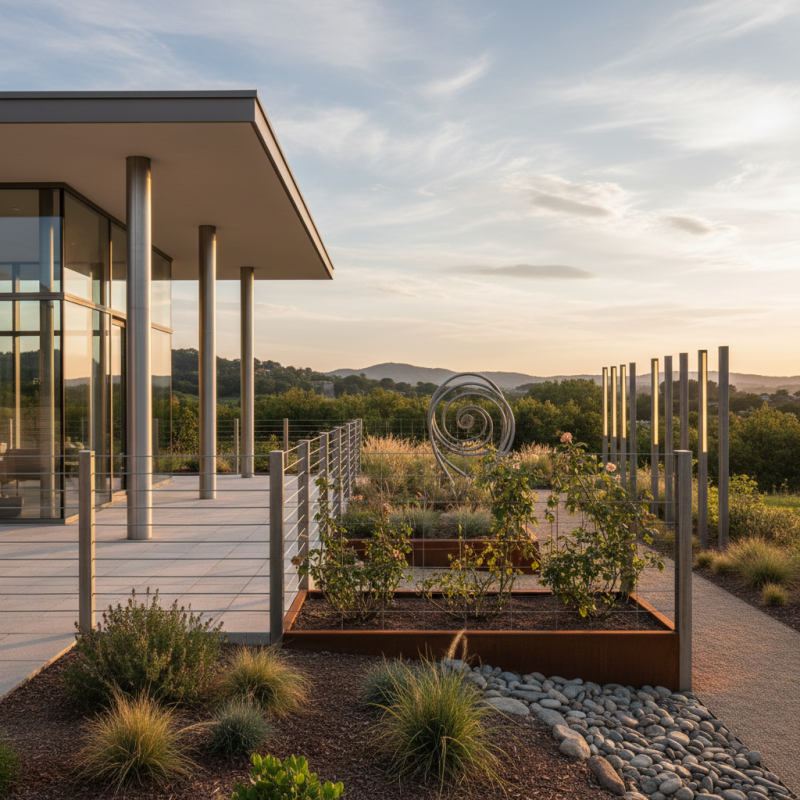
In construction, steel posts provide robust support for buildings and fences. They resist harsh weather and wear, ensuring longevity. In landscaping, they serve as stylish solutions for garden features, raised beds, and trellises. Their sleek appearance adds a contemporary touch without sacrificing strength.
However, not all projects benefit equally from steel posts. Budget constraints can pose challenges, and the installation process may require specialized tools. It’s essential to consider both the practical and aesthetic implications. Engaging with professionals can ensure optimal results, melding expertise with innovation. Understanding the nuances of steel posts leads to better decisions in design and implementation.
Key Properties of Steel Posts for Construction and Landscaping
Steel posts are widely recognized for their strength, durability, and versatility in construction and landscaping. One key property of steel posts is their resistance to corrosion. This feature makes them an ideal choice for outdoor projects. They can withstand harsh weather conditions, which is crucial for ensuring longevity. Steel posts also have a high load-bearing capacity. They support heavy structures and can be used in various applications, from fencing to deck supports.
Another important aspect is the flexibility of design. Steel posts can be easily customized to fit specific project requirements. They come in various sizes and finishes. These options provide aesthetic appeal while maintaining structural integrity. However, the use of steel posts is not without challenges. Their installation requires proper planning and tools. If not done correctly, it can lead to alignment issues.
Moreover, the cost of steel posts can be higher than other materials. When budgeting for a project, this is an essential consideration. Balancing quality and cost can be a delicate process. Despite these challenges, the benefits of steel posts often outweigh the drawbacks. Their reliability makes them a preferred choice in many construction and landscaping projects.
Common Applications of Steel Posts in Various Construction Projects
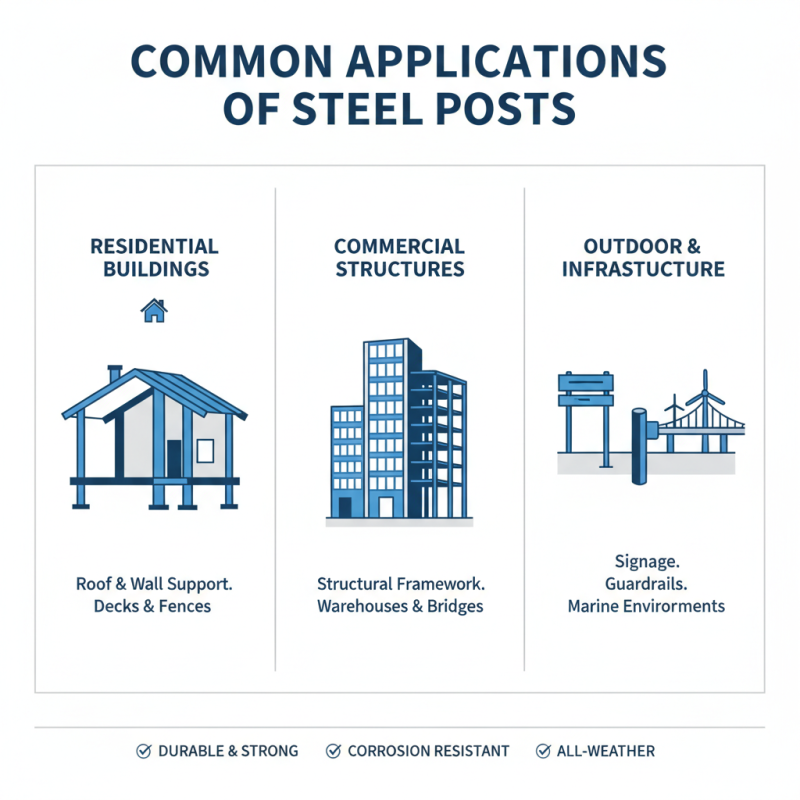
When considering construction projects, steel posts play a vital role. These sturdy materials offer durability and strength. They are often used in commercial and residential buildings. For instance, they can create support structures for roofs and walls. Steel posts resist corrosion, making them suitable for outdoor applications. They withstand harsh weather conditions, unlike wood or plastic alternatives.
In landscaping, steel posts can elevate design quality. They serve as strong fencing options and retain soil in garden beds. Many landscapers prefer steel posts for trellises or as supports for climbing plants. Steel's elegant appearance also adds a modern touch. In some cases, these posts may need refinishing or painting, which requires careful selection of materials. This step is crucial for ensuring long-term performance and appearance.
However, not all projects benefit from steel posts. In certain climates, the heat may lead to expansion. This could affect structural integrity if not properly accounted for. The initial costs can also be higher than alternatives, which may deter some builders. Recognizing these potential pitfalls is essential in the planning process. Proper assessment can help ensure the successful use of steel posts in any project.
Benefits of Using Steel Posts in Landscaping Design and Structure
Steel posts have gained popularity in landscaping design due to their durability and versatility. According to the American Institute of Steel Construction, steel is one of the most recyclable materials, making it an environmentally responsible choice. These posts resist corrosion, leading to lower maintenance costs over time. Many landscape architects choose steel for its structural integrity. It can bear significant loads, making it ideal for various applications, from fencing to garden trellises.
The aesthetic appeal of steel posts should not be overlooked. They can provide a modern look that complements diverse landscaping styles. Expert reports show that landscaping featuring steel can increase property values by up to 15%. However, the initial investment may deter some homeowners. It’s important to assess long-term benefits against upfront costs. Some may find the industrial appearance too stark for traditional gardens. Balance is key in design.
Moreover, while steel posts provide strength, they may require thoughtful placement. Too many steel elements can overpower softer landscaping features. Striking a balance between hardscape and softscape is crucial. Additionally, the installation process may be more labor-intensive than wood or vinyl. This can challenge both novice gardeners and experienced landscapers. Recognizing these factors is essential in creating a harmonious outdoor space.
Top Uses of Steel Posts in Construction and Landscaping
| Use Case |
Benefits |
Durability |
Aesthetics |
| Fencing |
High strength and security |
Rust-resistant coatings available |
Sleek and modern look |
| Structural Support |
Increases stability of buildings |
Long-lasting under heavy loads |
Can be designed to blend with architecture |
| Retaining Walls |
Effective at controlling soil erosion |
Able to withstand harsh weather conditions |
Can be finished to match landscape style |
| Decking Support |
Provides a sturdy foundation |
Resistant to pests and decay |
Can be painted or coated for design |
| Garden Structures |
Supports trellises and pergolas |
Durable in outdoor environments |
Enhances visual appeal of gardens |
Comparison of Steel Posts with Other Materials in Construction
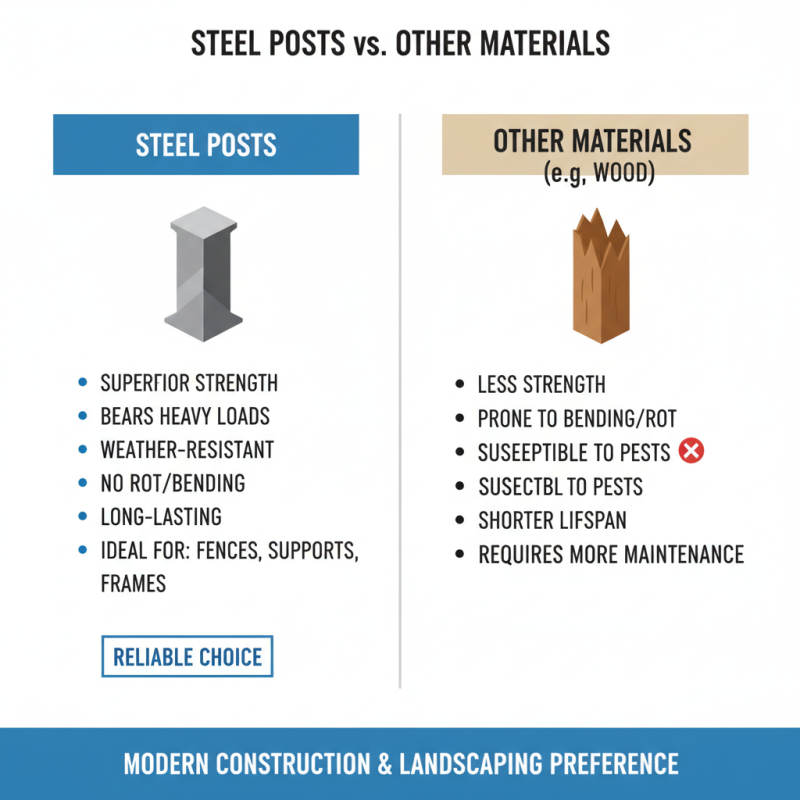
Steel posts have become increasingly popular in both construction and landscaping. One major advantage of steel is its strength. It can bear heavy loads and withstand harsh weather conditions. Unlike wood, which can bend or rot, steel maintains its structural integrity over time. This makes it a reliable choice for fences, supports, and frames.
However, compared to other materials like wood and vinyl, steel can be more expensive upfront. While wood may provide a warm, natural look, it often requires regular maintenance and replacement. Vinyl, though resistant to corrosion, may not offer the same durability under extreme conditions. It's essential to weigh the long-term benefits of steel against these alternatives. Some might find the initial costs prohibitive, but the durability of steel can lead to lower lifetime costs.
Despite its advantages, there are considerations. Steel can rust if not properly treated, requiring periodic maintenance. It may not suit every aesthetic. Some projects may benefit from the unique charm of other materials. Choosing the right material involves evaluating the project’s specific requirements and budget constraints. It's about finding the balance between initial investment and long-term reliability.
Best Practices for Installing and Maintaining Steel Posts in Projects
Steel posts have become essential in various construction and landscaping applications. When installing steel posts, proper planning and techniques are crucial. Industry reports suggest that a significant percentage of project failures are linked to inadequate installation practices. Some key factors include choosing the right post length and depth. For residential fencing, for instance, posts should typically extend at least one-third above ground for optimal stability.
Maintaining steel posts involves regular inspections. Look for signs of rust or corrosion, especially in coastal areas. According to the American Institute of Steel Construction, coatings can enhance durability significantly. Applying a protective layer can extend the lifespan of steel posts by up to 50%. It’s also vital to check for settling or shifting. Adjusting foundations early can prevent costly repairs later.
Using quality materials is essential. Yet, even with the best posts, installation errors can lead to structural issues. Misalignment can cause tension and compromise longevity. Thoughtful attention to detail can mitigate these risks. Emphasizing these best practices can elevate a project’s success, making the most of steel's versatility and strength.
Top Uses of Steel Posts in Construction and Landscaping