Top 5 Tips for Choosing the Right Composite Panel for Your Needs?

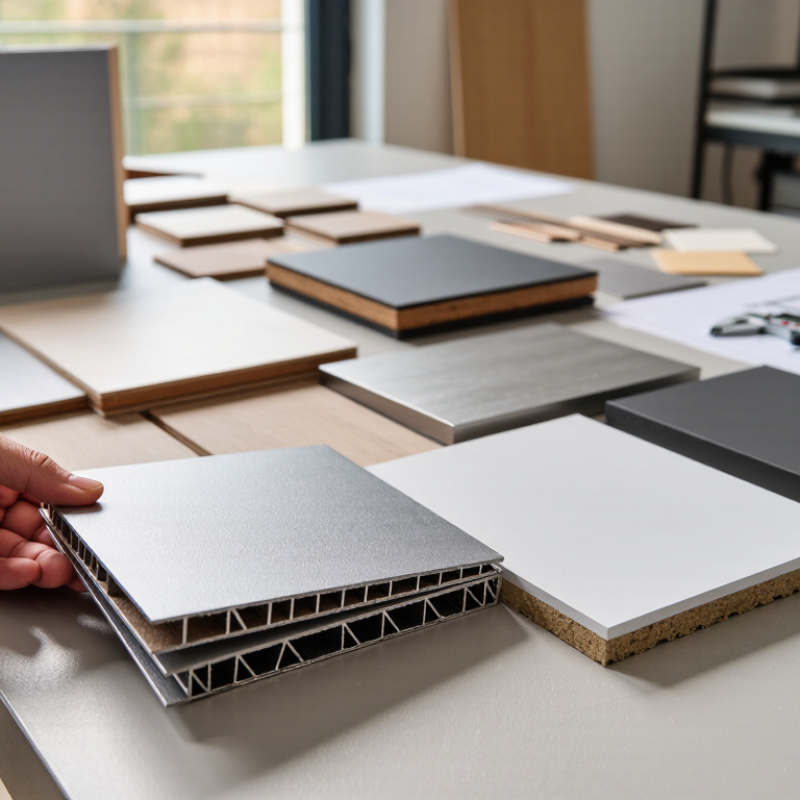
Choosing the right composite panel can significantly impact your project’s success. Composite panels are versatile materials used in construction, automotive, and aerospace industries. They often consist of layers that provide strength and insulation, making them popular among builders and designers.

When selecting a composite panel, it’s essential to consider your specific needs. The market offers various options with different properties. Think about factors such as durability, weight, and aesthetic appeal. Not every composite panel will suit your project perfectly, which can lead to challenges down the line.

Understanding the unique qualities of each type of composite panel empowers you to make informed decisions. It’s not just about picking the most popular or trendy option. Testing the materials’ performance in real-life applications can reveal their strengths and weaknesses. Reflecting on these details ensures that you choose a panel that truly matches your requirements.

Top 5 Tips for Choosing the Right Composite Panel for Your Needs?

Understanding Composite Panels: Types and Applications

Composite panels are versatile materials used in various applications, from construction to automotive. Their structure typically combines materials like plastic and metals, providing strength and durability. Understanding these types is crucial for making the right choice.

There are different composite panel types. Each type caters to specific needs. For instance, some panels offer excellent insulation. Others excel in corrosion resistance. These characteristics can influence your decision significantly. It's clear that there is no one-size-fits-all solution. You may face challenges in selecting the best panel that meets your project requirements efficiently.

Moreover, the intended application can change the decision-making process. Outdoor projects may require panels that withstand harsher conditions. Indoor applications might focus more on aesthetics. Reflection on your requirements is essential. Assess the environment and expected usage carefully. This approach leads to a more informed choice, enhancing overall satisfaction.

Evaluating Strength and Durability for Your Specific Needs

When choosing composite panels, evaluating strength and durability is crucial. Different applications require different levels of resilience. Factors such as weight, environmental exposure, and potential impact should guide your selection. For instance, if the panel will be used in a high-traffic area, stress-testing is vital. Assess how the panel withstands pressure and temperature changes over time.

It’s essential to balance durability with flexibility. A panel that is too rigid may not adapt well to shifting structures. Consider fire ratings and moisture resistance too. These elements can significantly affect longevity and performance. Look for panels that showcase proven durability through rigorous testing and certifications.

Don’t overlook the importance of installation and maintenance. If a panel is not installed correctly, even the strongest materials can fail. Review manufacturer guidelines carefully. Account for your specific conditions and requirements. This proactive approach minimizes risks and enhances safety. Finally, reflect on your priorities. What matters most: weight, cost, or sustainability? Your answers will shape the best choice.

Considering Aesthetics: Color and Finish Options

Top 5 Tips for Choosing the Right Composite Panel for Your Needs?

When choosing the right composite panel, aesthetics matter significantly. Color and finish options can transform your space. A recent industry report indicates that 75% of consumers prefer panels that harmonize with their design vision. The visual appeal of your project can enhance its overall value.

Consider the variety of colors available. Some panels offer a matte finish, while others shine. A matte finish can create a subtle elegance. On the other hand, a glossy surface tends to stand out more. Aesthetic preferences often vary widely among different demographics. Younger consumers may lean towards bold colors, while older generations often favor neutral tones.

The choice of color can affect mood and perception. Bright colors can energize a space, while muted tones promote calmness. According to color psychology studies, certain shades can influence feelings. Dark colors might evoke sophistication, yet they can also feel heavy. It's essential to reflect on the emotional impact every color can bring. While sleek designs attract attention, they also require maintenance. Regular cleaning can preserve their appeal. Therefore, think critically about both aesthetics and practicality in your decision-making process.

Assessing Cost vs. Quality: Budgeting for Composite Panels

When considering composite panels, cost and quality are critical factors. A recent market analysis indicates that high-quality composite panels can range from $20 to $50 per square foot. This price bracket often reflects superior durability and resistance to environmental stressors. But how do you know if the cost is justified?

Budgeting effectively involves a thorough assessment of your project needs. If the anticipated lifespan of a panel is important, consider investing more upfront. Reports show that cheaper panels might save money initially, but they can lead to higher replacement costs in a few years. For example, a low-end panel might need replacement after five years, while a premium option could last over twenty years.

In the construction industry, slightly lower-quality composite materials can lead to safety issues and increased maintenance. Contractors often recommend balancing initial costs against long-term benefits. It is also essential to obtain samples and compare them under real conditions. Quality is not just about initial impressions; it reflects performance too. Always ensure the materials align with the specific environmental demands of your project.

Sustainability Factors: Eco-Friendly Choices in Composite Materials

When selecting composite panels, sustainability should be a key consideration. Eco-friendly options can significantly reduce the environmental impact. According to a report by the Global Composite Materials Market, sustainable composites can decrease carbon footprints by up to 40%. This is essential as industries seek to meet stringent regulations.

Tip: Look for panels made from recycled materials. Many manufacturers now prioritize recycled content. This choice not only supports recycling efforts but also minimizes resource depletion.

Another factor is the lifespan of the composite panels. Sustainable options often have a longer life cycle. Research shows that durable materials can be reused or recycled at the end of their life. This reduces waste in landfills.

Tip: Investigate the manufacturing processes of the composites. Opt for those that use less energy or harmful chemicals. Understanding a product's life cycle can help you make informed decisions.

Sustainability in composite materials is crucial. It ensures that as you build, you also care for the environment. However, the landscape constantly changes. New materials and practices emerge regularly. Staying informed requires effort, but the results are worth it.

Top 5 Tips for Choosing the Right Composite Panel for Your Needs

Tip Material Type Sustainability Rating Applications Environmental Impact
Choose Recycled Materials Recycled PVC High Wall Panels, Infrastructure Low Carbon Footprint
Prioritize FSC-Certified Products Wood-Based Composites Very High Furniture, Flooring Sustainable Forestry Practices
Look for Low VOC Emissions Composite Wood Panels Medium Indoor Applications Improved Indoor Air Quality
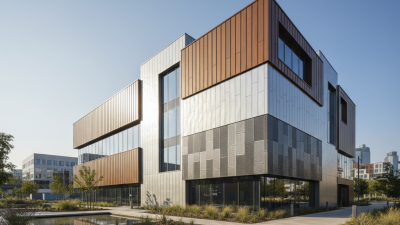
Assess Energy Efficiency Aluminium Composite Panels High Exterior, Cladding Insulation Properties
Consider Longevity and Lifecycle Fiberglass Reinforced Plastic Very High Marine, Industrial Minimal Maintenance Required