What are the Top Floor System Types for Modern Construction?
The choice of the right floor system is crucial in modern construction. Experts like Dr. Emily Carter emphasize that “the floor system impacts overall building performance.” Understanding various types can guide architects and builders in making informed decisions.
In the evolving landscape of construction, floor systems play a vital role. They influence factors such as acoustics, energy efficiency, and safety. Different systems like concrete slabs, timber frames, and composite materials offer unique benefits and challenges. Not all systems suit every project, and misjudgments here can lead to costly renovations.
Many builders think that choosing any floor system is adequate. However, this mindset can overlook specific needs, like load distribution and insulation. It's essential to weigh each option carefully. Reflection on the chosen floor system can reveal potential pitfalls. Consideration for future sustainability is becoming increasingly important. A careful selection process ensures durability and performance, making informed choices more critical than ever.

Top Floor System Types in Modern Construction: An Overview
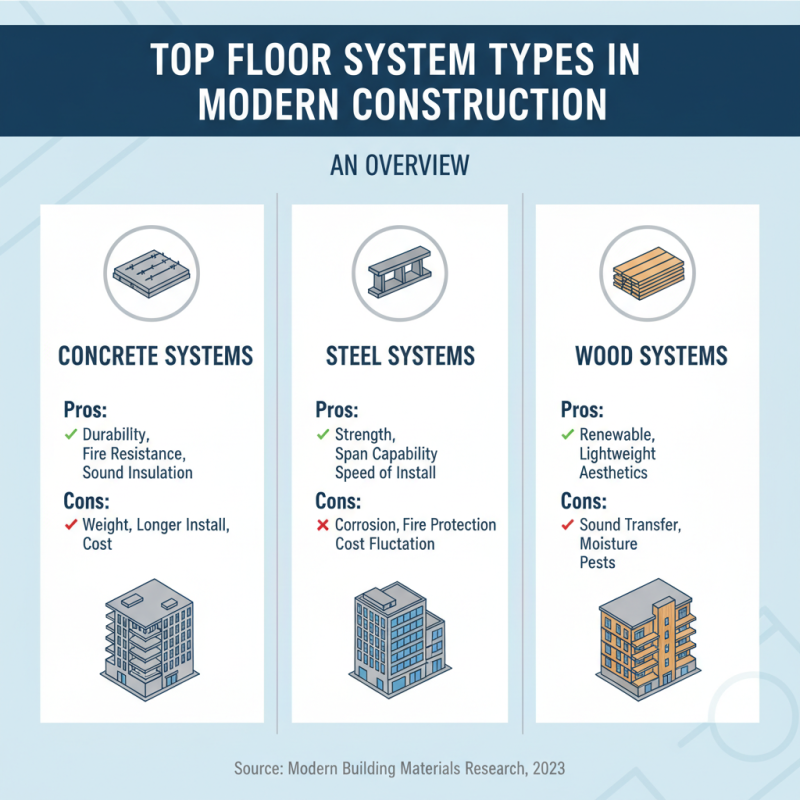
In modern construction, selecting the right floor system is crucial. Various materials and designs are available today. Concrete, steel, and wood are common choices. Each has its unique benefits and drawbacks.
Concrete floors offer strength and durability. They are fire-resistant and provide excellent sound insulation. However, they can be heavy, which may require additional structural support. On the other hand, steel floor systems are lightweight and allow for wide spans. They are also quick to install but can be susceptible to corrosion over time if not properly treated.
Wood is another popular option, especially in residential buildings. It's warm and aesthetically pleasing. However, wood floors can be prone to warping and require more maintenance. The choice of floor system impacts energy efficiency as well. Certain systems facilitate better insulation, which can save on heating and cooling costs. Choosing the best system involves weighing aesthetics, cost, and practical performance factors. Balancing these considerations can be challenging but essential for a successful build.
Steel Floor Systems: Advantages and Applications in High-Rise Buildings
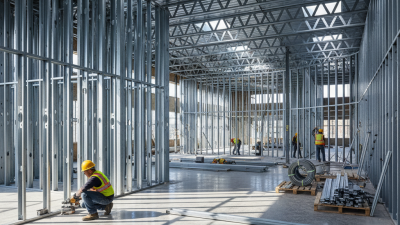
Steel floor systems are gaining popularity in modern high-rise buildings. They offer durability and strength, essential for towering structures. Often, these systems are made from beams and decking that form a robust framework. This framework can support heavy loads, making it a reliable choice for commercial and residential projects alike.
One major advantage of steel floor systems is their fire resistance. When properly treated, steel can withstand high temperatures. However, there are concerns about corrosion over time, especially in humid environments. Regular maintenance is necessary to ensure longevity. Furthermore, while installation might be quicker than concrete systems, it requires skilled labor. This can sometimes lead to project delays.
The flexibility of steel systems allows for diverse architectural designs. Architects can create open spaces without intrusive columns. Yet, this freedom can result in structural complexities that require careful planning. It’s crucial to consider the weight distribution and load paths to avoid potential vulnerabilities. Balancing creativity and safety is essential in the design process.
Concrete Composite Floors: Benefits in Design and Structural Integrity
Concrete composite floors have gained popularity in modern construction. They offer numerous benefits in design and structural integrity. These floors combine concrete and steel. The synergy enhances strength and durability, suitable for various building types.
Design versatility is one of the key advantages. Composite floors can accommodate different architectural styles. They can span larger distances without intermediate supports. This allows for expansive open spaces. Such aesthetics make them appealing for contemporary designs. However, achieving the right balance between materials can be tricky. It's essential to consider load distributions carefully.
In terms of structural integrity, concrete composite floors resist deformation. They handle heavy loads effectively. Yet, they can be sensitive to temperature changes. Cracking might occur if not properly planned. Ensuring proper curing and mixing techniques is vital. Without attention to detail, structural issues may arise later. Hence, thorough analysis and reflection during the design phase are crucial.
Wood Floor Systems: Sustainability Trends and Performance Metrics
Wood floor systems are gaining popularity due to their sustainability. The use of responsibly sourced timber minimizes environmental impact. These systems offer excellent thermal performance, promoting energy efficiency in buildings.
Many builders also recognize the aesthetic appeal of wood. It brings warmth and character to spaces. However, wood is vulnerable to moisture and pests. This can lead to challenges that need addressing during construction.
Sustainability trends are evolving. Recycled and reclaimed wood is becoming a favored choice. This not only reduces waste but also adds a unique history to each floor. Quantifying the performance metrics can be complex. Factors like durability and maintenance costs must be considered. Balancing these elements is crucial for modern construction success.
Top Floor System Types for Modern Construction
Innovative Lightweight Systems: Exploring Trends in Modern Materials
Innovative lightweight systems are reshaping modern construction. They offer remarkable advantages such as sustainability and efficiency. New materials, like engineered wood and metal composites, are becoming popular choices. These materials reduce overall weight while maintaining strength. This transformation allows for more design flexibility and faster construction timelines.
Tips: When considering lightweight systems, weigh the pros and cons carefully. Understand the structural requirements of your project. Choose materials that suit your climate and environment. Sometimes, lightweight materials may not perform as expected under certain conditions.
Another noteworthy trend is modular construction using lightweight components. This method can reduce waste and minimize labor costs. However, it requires meticulous planning and precision. A small error can lead to significant issues later. Always consult with experts when opting for this approach.
Tips: Analyze your project scope. Be mindful of how lightweight systems interact with traditional building methods. Prepare for challenges that may arise in integration. Embrace innovation but remain pragmatic.