
Top 10 Spunlace Non Woven Fabric Manufacturers Worldwide

Spunlace Non Woven Fabric is used in wipes, medical textiles, personal care products, and industrial applications. Its softness, absorbency, and strength depend on fiber selection, water-jet processing, and finishing. A fabric sample may feel smooth in the hand, yet still perform poorly on a high-speed converting line. Small details matter.

This guide introduces ten manufacturers serving markets worldwide. It considers production capabilities, product range, quality controls, and experience across end uses. Buyers should also examine specifications, certifications, lead times, and the consistency of supplied rolls. These details can reveal more than a polished brochure. They are not always easy to compare, either. Company capabilities change, and regional strengths may not show in a global overview. No ranking can replace a technical discussion or a hands-on sample review. Treat this list as a starting point, then confirm each supplier’s current capacity and suitability for your application.
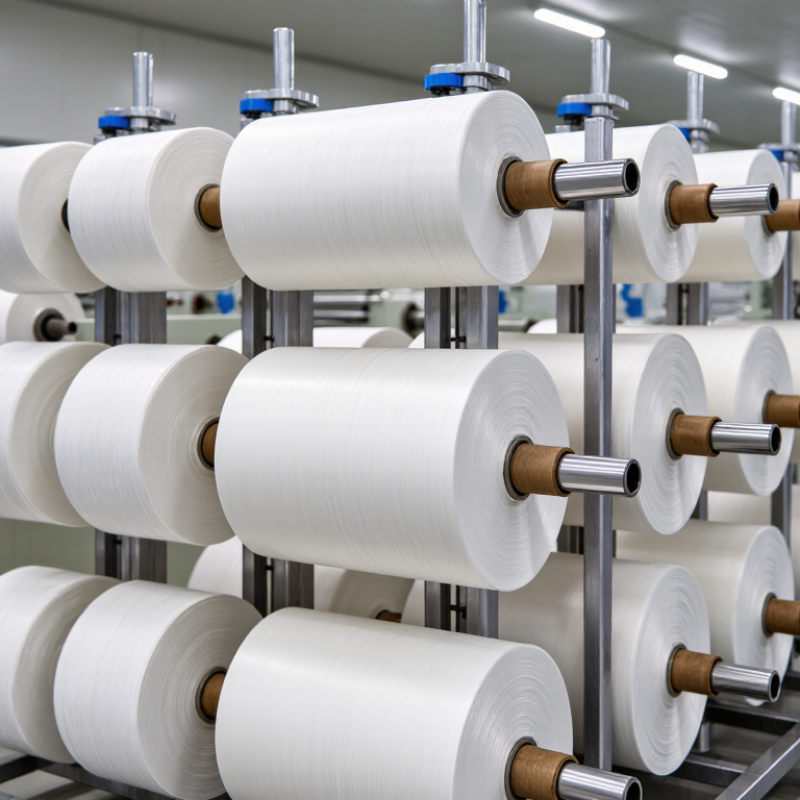
Top 10 Spunlace Non Woven Fabric Manufacturers Worldwide

What Spunlace Nonwoven Fabric Is and How It Is Made

Spunlace, also called hydroentangled nonwoven fabric, is made by binding loose fibers with fine, high-pressure water jets. It is not woven or knitted; fibers cross and interlock without conventional yarns. Common materials include polyester, viscose, cotton, and blends. Manufacturers choose them for qualities such as absorbency, strength, softness, and cost. The finished sheet may feel cloth-like, but its texture depends on fiber type, web weight, and jet pressure. Small changes matter.

Production begins by forming a loose fiber web, often with carding or air-laying. The web travels on a porous belt while rows of water jets entangle its fibers. Water drains through the belt and is commonly filtered for reuse. The fabric is then dried, inspected, and wound into rolls. Checks may measure weight, tensile strength, absorbency, and lint release. Not magic. A soft sample can still tear too easily, while a stronger one may feel rougher. That trade-off deserves attention when choosing fabric for wipes, medical dressings, or household products. Finishing treatments can also change feel and performance, so the material should be tested in its intended use.

How to Evaluate Spunlace Fabric Manufacturers

Evaluating a spunlace manufacturer takes more than comparing price per kilogram. Ask for the fabric’s fiber composition, basis-weight tolerance, tensile strength, absorbency, and lint data. Request test methods and recent batch records, not just a polished sample. A soft handfeel is useful, but it cannot reveal whether rolls stay consistent across production runs. Numbers can mislead.

INDA and EDANA’s 2023 global nonwovens statistics report production of about 14.2 million tonnes. That scale makes supplier traceability and process control important, even for smaller orders. During an audit, check how the mill controls water-jet pressure, line speed, and drying conditions. These settings affect web strength, surface texture, and uniformity. Ask how recycled or alternative fibers change performance, and request samples made with the intended recipe. Compare them under the same test conditions. I have found that this step is easy to overlook: two suppliers may report “absorbency” using different methods. Also review corrective-action records and delivery consistency, not only certifications. A certificate shows a system exists; it does not prove every shipment meets your specification.

Ten Leading Spunlace Nonwoven Fabric Manufacturers Worldwide

Comparing ten leading spunlace nonwoven fabric manufacturers worldwide is more useful when viewed through capability, consistency, and application fit. Spunlace fabric is formed by entangling a fiber web with high-pressure water jets. Manufacturers may offer different fiber blends, basis weights, widths, and surface finishes. These choices affect softness, absorbency, strength, and linting. A fabric suited to a facial wipe may not perform well in a cleaning cloth or medical gown. Small differences matter.

Production scale is only one measure. Buyers should examine sample consistency, testing methods, technical support, and the ability to maintain specifications across repeat orders. Ask how the supplier controls basis weight, tensile strength, and absorbency, and request test results for the intended use. A clean, even sheet on a sample roll is encouraging. Still, paper specifications can flatter a sample. Test material under real converting and use conditions before making a decision. It is not always easy to compare suppliers, since test methods and product descriptions may differ. Careful questions help reveal which manufacturer can deliver dependable fabric, rather than merely an attractive first sample.

Products and Markets Served by Leading Manufacturers

Spunlace manufacturers serve markets that need soft, absorbent fabrics with controlled strength. Their product portfolios often include lightweight rolls for facial and personal-care wipes, thicker cleaning cloths, and medical-grade materials for gowns, drapes, and wound-care applications. Hydroentanglement uses fine water jets to bind fibers, so fabric weight, fiber blend, and finishing can be adjusted for different end uses. Small details matter: a cleaning cloth must resist tearing when wet, while a facial wipe should feel gentle and release lotion evenly.

Market demand is broad, but not uniform. Grand View Research estimated the global spunlace nonwoven fabric market at about USD 8.3 billion in 2023, with personal care and hygiene among key application areas. The report forecasts continued growth through 2030, though estimates vary with market definitions and research methods. That caveat matters. Manufacturers serving healthcare markets face different performance and documentation expectations from suppliers making household wipes. Buyers should compare basis weight, absorbency, tensile strength, linting, and supply consistency—not just price.

Leading producers typically serve several regions and sectors, but their strengths differ. Some focus on high-volume wipe substrates; others offer specialized fabrics for medical or beauty applications. Sample testing helps. A fabric that performs well on a converting line may still feel too rough in use, or shed lint after repeated wiping. Independent test data and clear product specifications make supplier comparisons more dependable.

Top 10 Spunlace Non Woven Fabric Manufacturers Worldwide - Products and Markets Served by Leading Manufacturers An anonymized, non-ranked overview of manufacturer profiles and common spunlace product-market segments
Profile Primary Operating Region Typical Spunlace Products Common Markets Served Typical End Uses
Manufacturer Profile 01 Western Europe Hydroentangled viscose-polyester blends; soft, medium-weight nonwovens Personal care, household cleaning, medical and hygiene Wet wipes, dry wipes, cosmetic pads and selected medical disposables
Manufacturer Profile 02 Central Europe Spunlace fabrics made from polyester, viscose and blended fibers; rolls and converted grades Healthcare, cleaning, automotive and industrial markets Medical and workplace wipes, interior components and general-purpose cleaning cloths
Manufacturer Profile 03 Northern Europe Cellulose-rich and synthetic-blend spunlace; lightweight to heavyweight grades Hygiene, personal care, healthcare and consumer products Baby and personal-care wipes, facial-care substrates and disposable cleaning products
Manufacturer Profile 04 Southern Europe Viscose-polyester and other blended hydroentangled fabrics, including wipe substrates Household care, personal care, hospitality and healthcare Surface-cleaning wipes, hand wipes and single-use service products
Manufacturer Profile 05 East Asia Polyester and rayon spunlace; soft, uniform fabrics for converted applications Cosmetics, hygiene, medical and household goods Facial masks, cotton-like pads, wipes and disposable healthcare materials
Manufacturer Profile 06 South Asia Viscose-polyester spunlace and cost-sensitive grades for high-volume converting Personal care, home care, institutional cleaning and hygiene Wet wipes, cleaning cloths and disposable personal-care products
Manufacturer Profile 07 North America Hydroentangled synthetic and cellulosic-blend fabrics for wipes and specialty uses Healthcare, household cleaning, personal care and industrial markets Disinfecting and cleaning wipes, medical-use substrates and industrial cloths
Manufacturer Profile 08 East Asia Lightweight spunlace fabrics, including cellulose-based and blended constructions Beauty care, hygiene, healthcare and consumer products Cosmetic sheets, facial-care materials, wipes and disposable hygiene products
Manufacturer Profile 09 Latin America Spunlace wipe substrates and blended nonwovens for regional converters Household care, personal care, healthcare and hospitality Cleaning wipes, personal-care wipes and single-use cleaning cloths
Manufacturer Profile 10 Multiple regions Specialty spunlace grades in varied fiber blends, basis weights and roll widths Automotive, filtration, industrial, medical and consumer markets Automotive interior components, technical wipes, filtration support layers and disposable products
Note: Company names and brands are intentionally omitted. Profiles are anonymized and non-ranked; product and application categories describe common spunlace industry uses and should not be interpreted as verified company-specific portfolios.

Key Factors for Comparing Spunlace Fabric Suppliers

Comparing spunlace suppliers starts with the fabric’s intended use, not a catalogue description. A wipe, medical drape, and cosmetic pad need different balances of softness, strength, and absorbency. Grand View Research’s 2024 market analysis valued the global spunlace nonwoven market at about USD 8.8 billion in 2023 and projected 6.4% annual growth through 2030. That expansion makes supplier claims harder to compare, not easier. Ask for basis-weight tolerances, tensile results in both machine and cross directions, absorbency, and lint data. Test it directly.

Request samples from multiple production lots, not just a carefully selected swatch. Compare them under the same conditioning and test methods; ISO 9073-3 covers tensile properties, while ISO 9073-6 addresses absorption. Check whether the supplier can provide batch records, fiber composition, and clear explanations of hydroentanglement settings. Paper claims are not enough. A low-lint result may depend on the test procedure, and softness can change after conversion. Small differences matter. I would also ask for a pilot roll before committing to volume. It takes time, but it can reveal uneven web formation that a small sample hides.

Spunlace Supplier Comparison: Basis Weight Reference

Basis weight is measured in grams per square metre (gsm). The chart shows the exact unit conversion to ounces per square yard (oz/yd²) for common reference weights; it does not represent data from individual manufacturers. When comparing suppliers, also review fiber composition, strength, absorbency, linting, and relevant certifications.