Top Tips for Sourcing Steel Metal Efficiently for Your Business?
Sourcing steel metal effectively is crucial for businesses in numerous industries. The global steel market was valued at approximately $1 trillion in 2022, with projections indicating steady growth. This aligns with increasing demand in construction and automotive sectors. Companies are challenged to find reliable suppliers while managing costs.
Many businesses overlook long-term relationships with steel metal suppliers. A stable partnership can lead to better pricing and quality assurance. According to a recent report, around 30% of firms face supply chain disruptions due to inadequate vendor management. This highlights the need for strategic sourcing.
Lastly, understanding market trends can empower businesses to make informed decisions. Reports indicate fluctuating prices, driven by global factors. Firms should stay vigilant and adapt their strategies accordingly. A well-planned sourcing process can mitigate risks and enhance competitiveness in the evolving steel metal landscape.

Understanding Your Steel Metal Needs for Efficient Sourcing
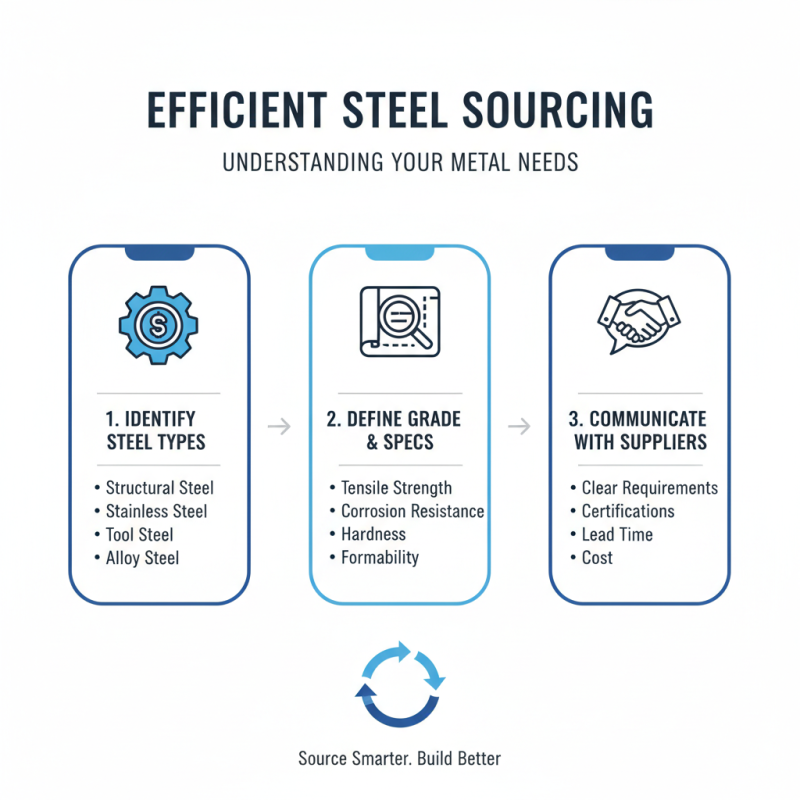
Understanding your steel metal needs is crucial for efficient sourcing. Identify the specific types of steel required for your projects. This clarity helps you communicate effectively with suppliers. Assess the grade and specifications based on your intended use. For instance, if you need high-strength steel, determine the necessary tensile strength.
Tip: Maintain an organized inventory of your steel requirements. A detailed list can prevent overordering or shortages. Collaborate with your engineering team to align on technical needs. Review past projects for insights into material usage and performance.
Regularly revisiting your sourcing strategy is essential. Prices can fluctuate, and supplier reliability may vary. Keep an open dialogue with suppliers to build strong relationships. This communication can lead to better deals and quality assurance.
Tip: Always evaluate multiple suppliers before making decisions. Compare prices, lead times, and quality standards. This approach not only enhances your efficiency but also minimizes risks. In the long run, understanding your needs leads to smarter sourcing decisions and reduced costs.
Identifying Reliable Suppliers in the Steel Metal Industry
Finding reliable suppliers in the steel metal industry can be challenging. According to recent reports, 45% of businesses cite supplier reliability as a critical factor in their procurement strategy. Establishing a consistent supply chain is vital. Companies should consider suppliers with a proven track record and solid reputations. It's essential to verify their capabilities through industry references.
Price isn’t everything. While competitive pricing is important, the quality of the steel is paramount. Some reports indicate that 30% of firms had issues with product defects when sourcing solely based on cost. Look for suppliers who prioritize quality assurance and have certifications, like ISO standards. This adds to their credibility and ensures that your supply meets necessary standards.
Networking plays a key role. Attend industry conferences or trade shows to meet potential suppliers face-to-face. This could reveal insights that online research cannot provide. Engage with other businesses to learn about their experiences. Supplier performance can often be a gamble, and firsthand accounts can guide you toward more reliable options. Sometimes, you may need to reassess and refine your supplier choices to better align with your business goals.
Evaluating Quality Standards and Certifications for Steel Metal
When sourcing steel metal for your business, quality is paramount. Understanding quality standards and certifications helps ensure you choose the right suppliers. Look for certifications like ISO 9001 or ASTM. These indicate adherence to strict manufacturing and quality control processes.
Visit suppliers and ask about their quality testing methods. Reliable suppliers should conduct tests for strength, durability, and corrosion resistance. Observing these practices in action can provide assurance. However, remember that not all suppliers maintain consistent quality. Some might have lapses in production that affect metal properties.
Evaluating steel quality is not just about certifications; it's about building relationships. Regular communication can help identify potential issues early. It’s important to reflect on your experiences with suppliers. Have there been any red flags? Perhaps delivery delays or inconsistent material quality? Noticing these patterns can guide you in making better sourcing decisions in the future.
Negotiating Pricing and Terms with Steel Metal Suppliers
When negotiating pricing and terms with steel metal suppliers, clarity is essential. Knowledge about market rates safeguards your interests. Research current prices and trends in steel supply. This foundational understanding equips you to engage confidently with suppliers.
Building relationships is equally crucial. Establish open lines of communication with your suppliers. A mutual understanding can lead to better deals. Discuss your requirements candidly, as this fosters trust and can lead to long-term partnerships. However, be prepared for pushback; suppliers may have rigid pricing due to market fluctuations.
Lastly, don’t shy away from exploring multiple suppliers. This tactic allows you to compare prices and terms effectively. Being open to negotiation can lead to benefits like discounts or flexible payment terms. Remain flexible in your approach, as circumstances might require compromises. Balancing assertiveness with a willingness to listen fosters positive outcomes.
Top Tips for Sourcing Steel Metal Efficiently
Implementing a Streamlined Supply Chain for Steel Metal Procurement
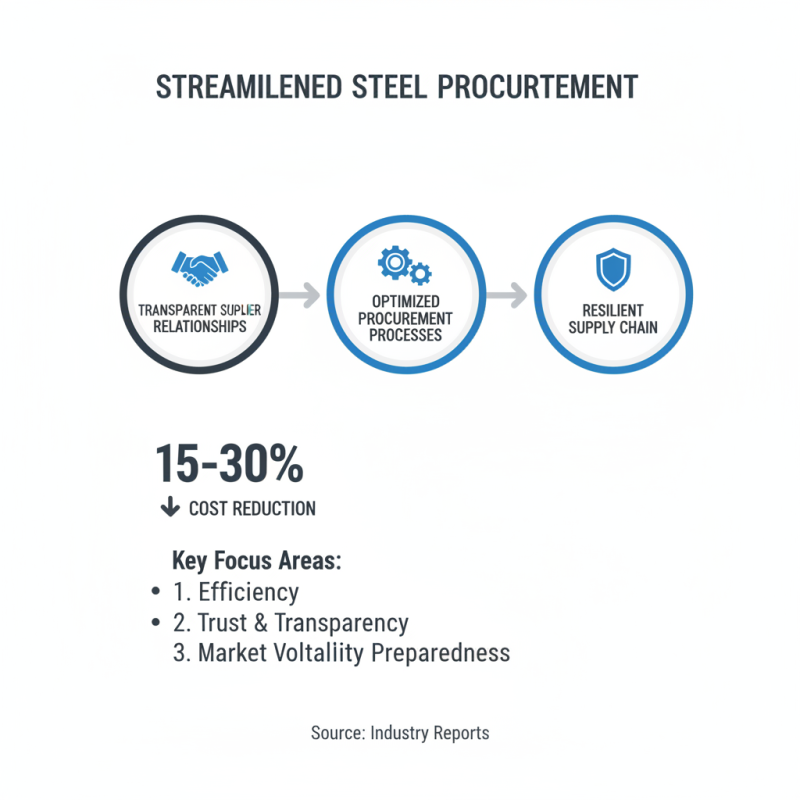
In today's competitive landscape, optimizing the supply chain for steel metal procurement is crucial. Reports indicate that inefficient sourcing can inflate costs by 15-30%. Businesses should focus on streamlining their procurement processes. Engaging in transparent relationships with suppliers can lead to better terms and relationships. Trust builds resilience in the supply chain, which is essential in times of market volatility.
Data from industry surveys shows that companies leveraging technology in sourcing experience 25% shorter lead times. Utilizing digital platforms for procurement enhances visibility and collaboration. However, reliance on technology can introduce vulnerabilities, such as cybersecurity risks. Businesses need to balance technology use with traditional practices to mitigate these risks.
Moreover, diversifying supplier bases can provide stability against disruptions. Companies should not rely solely on a few suppliers. This approach can prevent potential crises from impacting operations. While it may seem cumbersome, a diversified supply chain can enhance overall agility. Regular evaluations of supplier performance ensure that businesses stay resilient in changing markets. Embracing these strategies can improve efficiency and reliability in steel procurement.