How to Choose the Best Panel Walls for Your Project?
Choosing the best panel walls for your project is crucial for success. According to a report by MarketsandMarkets, the global market for panel walls is expected to reach $102 billion by 2026. This growth highlights the increasing reliance on panel wall systems in construction and renovation projects. Panel walls offer numerous benefits, including energy efficiency and design flexibility.
When selecting panel walls, consider durability, insulation, and aesthetic appeal. The right materials can improve building performance significantly. For instance, insulated panel walls can reduce energy costs by up to 50%, making your project not only environmentally friendly but also budget-conscious. However, some panel systems may struggle with long-term durability, requiring careful evaluation.
Keep in mind the installation process and maintenance needs. Some panel walls are easier to install, which can save time and labor costs. Yet, others may require specialized skills or tools. Reflecting on these factors can lead to a more informed choice. Make sure to explore multiple options and weigh their pros and cons before making a decision on panel walls.
Understanding Different Types of Panel Walls Available on the Market
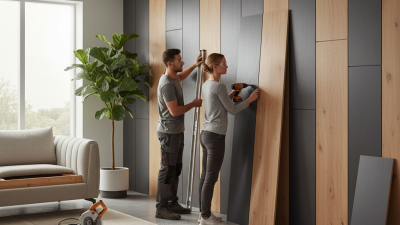
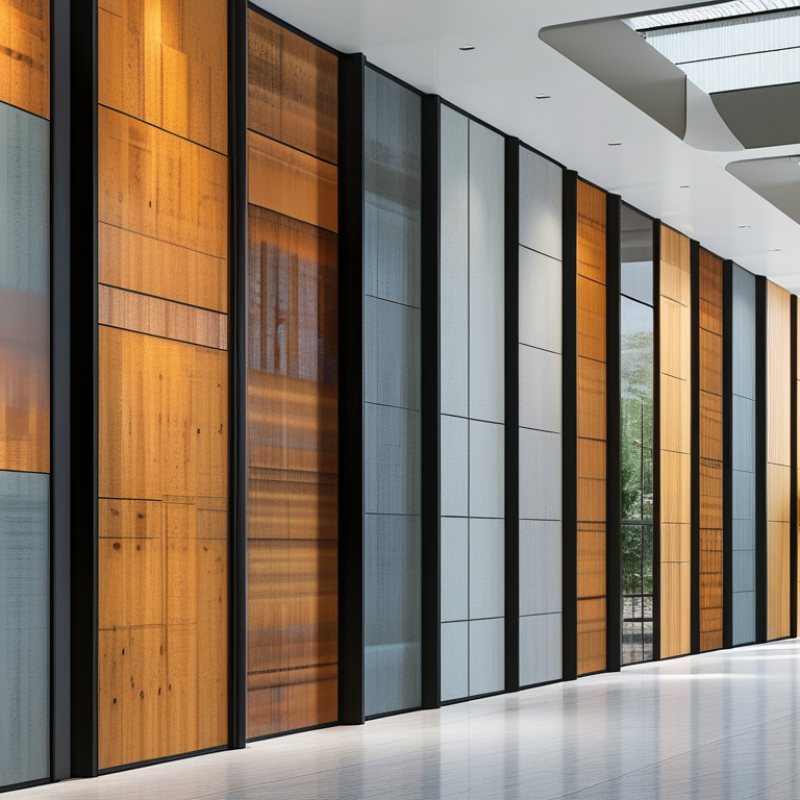
When choosing panel walls for your project, understanding the types available is crucial. There are various options, each with unique properties. For instance, wood panels offer a warm, classic feel, while metal panels provide a modern touch. They both have their pros and cons. Wood can warp over time, especially in humid conditions. Metal, while durable, can dent and scratch easily.
Another option is vinyl paneling, known for its versatility and ease of maintenance. Vinyl is moisture-resistant and comes in various designs. However, it might not appeal to those seeking a natural aesthetic. Acoustic panels are essential in spaces requiring sound control, like recording studios. However, they may not suit every design style.
Your project’s audience and purpose will guide your selection. Think about the long-term impact of your choice. Will the panels withstand wear and tear? Are they environmentally friendly? Consider how different materials influence the space's look and feel. Reflect on feedback from clients or users. Their insights can reveal aspects you might overlook.
How to Choose the Best Panel Walls for Your Project? - Understanding Different Types of Panel Walls Available on the Market
| Type of Panel Wall |
Material |
Insulation |
Soundproofing |
Cost (per square foot) |
| Gypsum Board |
Gypsum |
Moderate |
Good |
$1.00 |
| Plywood Panel |
Wood |
Low |
Fair |
$0.80 |
| Metal Panel |
Aluminum / Steel |
High |
Excellent |
$2.50 |
| Fiberboard Panel |
Fiberglass |
Very High |
Good |
$1.50 |
| Concrete Panel |
Concrete |
High |
Excellent |
$3.00 |
Evaluating the Strengths and Weaknesses of Each Panel Wall Type
When evaluating the strengths and weaknesses of each panel wall type, understanding their applications is crucial. For instance, drywall is common in residential settings due to its cost-effectiveness and ease of installation. However, it struggles with moisture resistance, limiting its use in humid environments. A water-resistant alternative is needed in bathrooms or kitchens, where moisture is prevalent.
Conversely, concrete panels provide exceptional strength and durability. They resist moisture and are ideal for exterior applications. Yet, their weight can complicate installation. This choice demands skilled labor, which may inflate project costs. Additionally, concrete lacks the aesthetic variety found in other materials. This limitation might require further consideration in design-heavy projects.
Another option is insulated panels, which offer superior thermal efficiency. This can significantly reduce energy costs. However, their initial investment can be high, and not all insulated panels perform equally. It’s essential to research product specifications and manufacturer claims. Balancing energy efficiency, installation costs, and aesthetic preferences will guide you to the right choice for your project.
Factors to Consider When Selecting Panel Walls for Your Specific Project
When selecting panel walls for your project, several factors are essential. Consider the environment where the wall will be installed. High-humidity areas need moisture-resistant panels. On the other hand, dry locations may not require such features. Think about the aesthetics too. Choose colors and textures that align with your project’s theme. The right design can enhance the overall ambiance.
Durability is another crucial factor. Panels must withstand wear and tear in high-traffic areas. Lightweight panels are easier to install but might not offer the same strength as heavier options. Think about maintenance as well. Some materials require regular upkeep, while others are more resilient. This will impact the long-term costs.
Pay attention to insulation properties. Well-insulated panels can improve energy efficiency. This choice may save costs on heating and cooling over time. In certain cases, you might need acoustic panels for sound absorption, especially in recording studios or conference rooms. Always analyze the specific needs of your project before making a choice. Engaging with a professional can guide you in making the best decision.
Choosing the Best Panel Walls for Your Project
When selecting panel walls for your project, it is essential to consider various factors such as durability, insulation value, aesthetic appeal, and cost. The following bar chart illustrates the importance of these factors based on a survey of construction professionals.
Analyzing Cost vs. Benefit for Various Panel Wall Options
When evaluating panel wall options, understanding cost versus benefit is crucial. Research shows that the initial cost often doesn't reveal the long-term value of materials. For instance, while plywood paneling may be cheaper upfront, it typically requires more maintenance. According to industry studies, maintenance costs for plywood can be nearly 30% higher over five years compared to materials like metal panels. These higher costs can erode budget savings over time.
Sustainability is another factor to consider. Some panel walls, such as recycled composite materials, have a higher initial cost. However, they provide durability and energy efficiency that can lead to lower utility bills. A study from the Sustainable Building Institute indicates that energy-efficient materials can save around 15% on energy costs annually. This savings is often overshadowed by the sticker price but should be factored into the overall budget.
It's important to reflect on the unique needs of your project. Have you considered local climate impacts? For example, in humid areas, opting for moisture-resistant panels might seem pricey initially, but they prevent future issues like mold damage. While the justification for such investments can be hard to quantify, analyzing longer-term savings and health benefits can guide decision-making. Each choice requires careful consideration of its implications on both the budget and overall project success.
Tips for Proper Installation and Maintenance of Panel Walls
Panel walls require proper installation and maintenance to ensure longevity and aesthetic appeal. An industry report by MarketsandMarkets indicates that the global demand for panel walls is projected to grow by 6.8% annually. This rise emphasizes the need for effective practices in their installation. For instance, using the right type of sealants can prevent water damage, extending the wall’s lifespan. Choose high-quality caulking materials to fill gaps between panels, making the installation watertight.
Routine maintenance is equally important. Regular inspections for cracks or signs of wear are essential. Addressing minor issues early can save significant repair costs later. A study published by the American Society of Civil Engineers suggests that maintaining a consistent humidity level helps prevent warping. Additionally, cleaning panels with non-abrasive materials preserves their integrity without causing surface damage.
However, not all installations go as planned. Common mistakes include improper alignment and inadequate fastening. These errors can lead to costly setbacks. Relying on professional training for installers can mitigate these risks. Certification programs in construction often emphasize the importance of following manufacturer guidelines, ensuring a reliable and durable installation. Keeping up with industry standards will ultimately enhance the performance of panel walls in any setting.