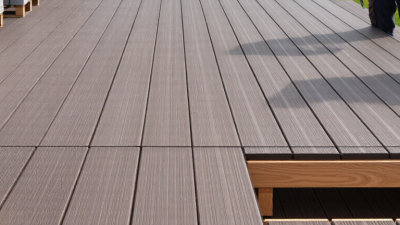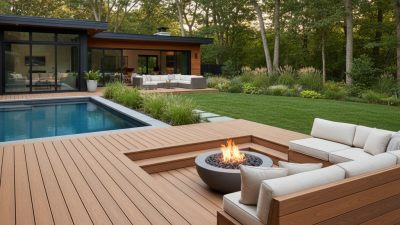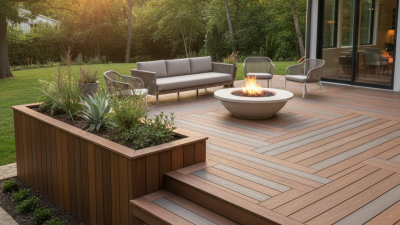
A composite deck is typically made from wood fibers and recycled or virgin plastic, formed into boards that resemble painted or stained lumber. Some products have protective caps; others do not. That difference can affect stain resistance, cleaning, and long-term appearance. It is not maintenance-free. Leaves still collect between boards, and spills still need attention.
Is the higher purchase price worth it? The answer depends on climate, installation quality, product type, and how long you plan to stay. Zonda’s 2024 Cost vs. Value report estimated a national average cost of $25,096 for a 16-by-20-foot composite deck addition, with $16,498 in resale value recovered—about 65.7 percent. Its comparable wood deck estimate was $17,615, with $14,596 recovered, or about 82.9 percent. These figures offer a useful comparison, not a promise of what a specific home will earn. They measure estimated project cost and resale value, not decades of cleaning, repairs, or replacement. That distinction matters. A homeowner who values less frequent staining may judge the trade-off differently from someone focused on initial cost. The details matter, sometimes more than the label. In this guide, we’ll explain what composite decking contains, compare its practical benefits and drawbacks, and identify the costs and installation questions worth checking before you buy.
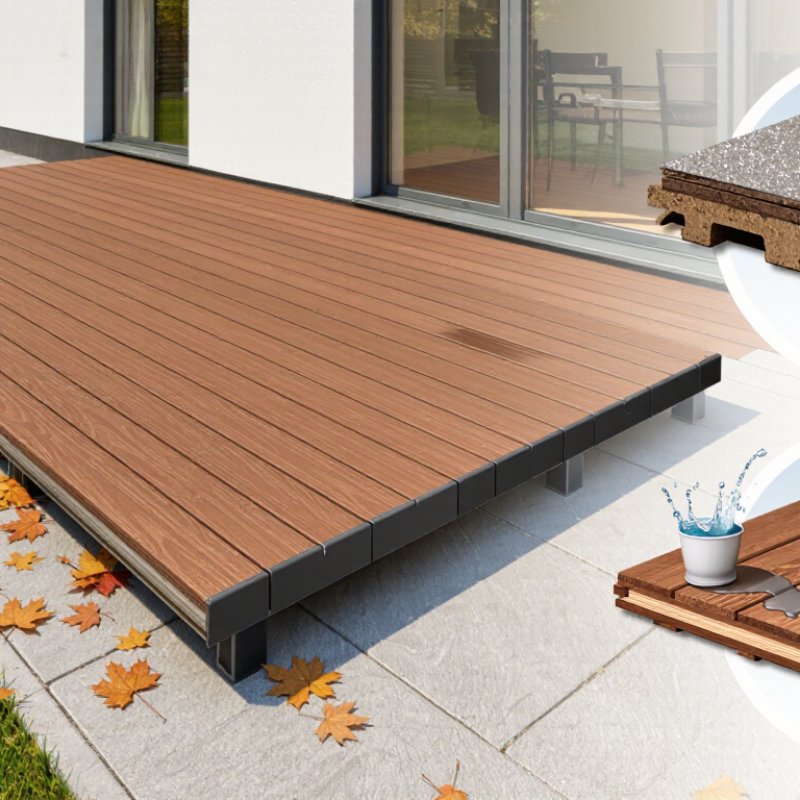
Composite decking combines wood fibers or fine wood flour with thermoplastic resin, pigments, and processing additives. The exact recipe varies: some boards use recycled plastic, while others use virgin resin or a mixture. Many are formed by extrusion, where heated material passes through a shaped opening and cools into long boards. A capped board receives a thin polymer shell during production. Look closely at a cut edge: the core and outer layer may be visibly different.
The materials story needs context. The U.S. Environmental Protection Agency’s Advancing Sustainable Materials Management: 2018 Fact Sheet estimated that the United States generated 35.7 million tons of plastic waste that year, with 3.1 million tons recycled. That national figure is not specific to decking, and it does not show how much recycled plastic goes into any one board. Feedstock quality and recipe matter. In manufacturing, wood fibers are dried, blended with melted resin, then extruded, cooled, and cut to length. Surface embossing can add a wood-grain feel, but it does not make the board wood. The process sounds tidy. It isn’t always. Recycled inputs can vary, and a small sample cannot reveal a product’s full composition; request its technical data or environmental product declaration before comparing claims.
Composite decking typically combines wood fiber or flour with plastic, plus pigments and stabilizers. Recipes vary, so “composite” does not guarantee identical performance. Uncapped boards expose the blend at the surface; capped boards add a protective polymer shell. That shell can help resist stains and moisture, though cuts and edges still need care. Details matter.
ASTM International’s D7032 standard sets performance-rating requirements for wood-plastic composite decking and guardrail systems. It is a useful benchmark, but not a substitute for checking a board’s test data and installation instructions.
Board shape affects handling and fit. Solid boards feel substantial but weigh more; hollow or scalloped boards use less material and may need careful support and end finishing. Grooved edges accept hidden fasteners, while square edges suit visible face screws or picture-frame borders. Some buyers compare PVC boards, too. They contain no wood fiber, so they are not the same material, even when sold beside composites.
In Remodeling magazine’s 2024 Cost vs. Value Report, a modeled composite deck addition averaged $24,206, with $16,498 in resale value—about 68 percent of cost. Those are national estimates, not a promise for any home. Examine a sample in direct sun; color and surface texture can look different outdoors.
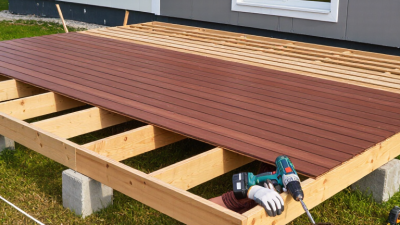
Composite decking is installed over a stable frame, much like traditional deck boards, but its spacing needs careful attention. Check that joists are sound, level, and spaced according to the decking instructions. Measure twice. Composite boards can expand or contract with temperature, so use the specified gaps and fastening system. Hidden clips create a clean surface, while approved screws may be needed at edges or stairs. Keep airflow beneath the deck and leave room for water to drain. A beautiful surface cannot fix a weak frame.
Tips: Test your layout with a few loose boards before fastening them. Small gaps matter. Follow the product’s installation guide for spacing, cutting, and edge details; requirements vary. Even a careful layout can look slightly uneven if the framing is off, so check alignment as you go.
Maintenance is usually simple. Sweep away leaves and dirt, then wash the boards with mild soap and water when needed. Rinse thoroughly, especially where dust collects between boards. Avoid metal shovels and abrasive tools, which can scratch the surface. Check fasteners, stairs, and the frame each season. Composite resists many common sources of wear, but it is not maintenance-free; food spills and damp debris can still leave marks if ignored. A quick cleanup helps.
| Topic | Typical Information | Practical Consideration |
|---|---|---|
| What composite decking is | Deck boards commonly made from wood fibers or wood flour combined with plastic and additives. Some boards have a protective outer layer. | Composition and surface construction vary, so check the product specifications before choosing. |
| Appearance | Available in a range of colors, grain patterns, and board profiles. Color and texture can vary between products. | View samples outdoors when possible; sunlight and surrounding surfaces can affect how a color looks. |
| Typical service life | Many products are designed for decades of use, but actual life depends on product quality, installation, climate, and care. | Review the written warranty and its exclusions rather than assuming every composite deck has the same lifespan. |
| Substructure | Boards are usually fastened to a framed deck structure, often made from pressure-treated lumber or another suitable framing material. | Framing must be sound, level, and properly supported. Composite boards do not replace the need for a suitable structure. |
| Joist spacing | Spacing is commonly 12 or 16 inches on center, depending on the board, installation direction, and intended use. | Follow the specific installation instructions; some layouts, such as diagonal decking, may require closer spacing. |
| Board fastening | Installation may use face screws or concealed fastening systems designed for the board profile. | Use compatible fasteners and follow guidance for pilot holes, edge distances, and fastening locations. |
| Expansion and gaps | Composite boards can expand and contract with temperature changes. Required gaps depend on the product and installation conditions. | Use the manufacturer’s spacing chart for end-to-end, side-to-side, and perimeter gaps; do not assume one gap fits every product. |
| Cutting and handling | Boards are cut with suitable woodworking tools. Cutting can create dust and small particles. | Wear eye protection and a dust mask, and keep boards supported to reduce movement during cutting. |
| Routine cleaning | Periodic sweeping and washing with water and mild soap are commonly sufficient for ordinary dirt. | Use a soft brush and test cleaning methods in an inconspicuous area. Follow product-specific instructions for tougher stains. |
| Painting or staining | Most composite decking is not intended to need regular painting or staining. | Do not apply coatings unless the product instructions specifically allow them; coatings may affect appearance or warranty coverage. |
| Heat and sunlight | Decking surfaces can become hot in direct sun, and darker colors may feel hotter than lighter colors. | Consider shade, color, and intended barefoot use when planning the deck. |
| Upfront cost | Composite decking often has a higher initial material cost than basic pressure-treated wood. | Compare the full project cost, including framing, fasteners, labor, and any required ventilation or drainage details. |
| Is it worth it? | It may suit homeowners who value lower routine upkeep and are comfortable with a higher upfront cost. | Compare long-term maintenance, expected service life, appearance preferences, and local installation costs before deciding. |
Composite decking is made from wood fibers and recycled or new plastic, formed into boards for outdoor use. Its main appeal is less routine maintenance than many wood decks. You usually do not need to stain or seal it every year. A hose can remove loose dirt, while mild soap may help with spills. That saves time. It also resists rot and insect damage, though its exact performance depends on the board’s composition and installation.
There are trade-offs. Composite boards often cost more upfront than basic pressure-treated lumber. In direct summer sun, some surfaces can become hot under bare feet. Scratches and stubborn stains may also be difficult to repair, and color can fade gradually. Boards expand and contract with temperature changes, so proper spacing and a stable frame matter. I have seen homeowners focus on the board price and overlook framing, fasteners, and labor. That can make the comparison misleading. Composite is lower-maintenance, not maintenance-free.
Tips: Ask for a small sample and leave it outdoors for a few days to judge its color and surface temperature. Check the care instructions, warranty limits, and required joist spacing before buying. Keep leaves from collecting between boards, especially in damp, shaded corners.
Deciding whether a composite deck is worth the cost starts with how long you plan to use it. Composite boards usually cost more upfront than pressure-treated wood, but they need less routine staining and sealing. That can matter if you would rather spend a Saturday using the deck than maintaining it. Still, low maintenance does not mean no maintenance: dirt, pollen, and damp leaves can collect between boards and need cleaning.
The Journal of Light Construction’s 2024 Cost vs. Value report puts the average U.S. cost of a composite deck addition at $25,096, with an estimated resale value of $16,498. That equals about 65.7% of the project cost recouped at resale. Treat that figure as a benchmark, not a promise; local labor, deck size, and material choices can shift the numbers.
For a modest deck, compare written quotes and ask what each includes, such as framing, stairs, and railing. Then estimate upkeep over the years you expect to stay. The calculation can feel lopsided. If you may move soon, the higher initial price may be hard to justify; if you value fewer maintenance chores, it may make more sense.