
Top Gauge Steel Suppliers for Global Buyers

Choosing reliable gauge steel suppliers requires more than comparing prices on a spreadsheet. Thickness accuracy, coil width, surface finish, yield strength, coating weight, and delivery consistency can determine whether a shipment performs well on a production line. A 0.8-millimeter sheet that arrives with uneven tolerance may create visible waves, rejected parts, and costly machine adjustments.

The global scale is significant. World Steel Association’s World Steel in Figures 2024 reports approximately 1.89 billion tonnes of crude steel production in 2023. The International Energy Agency also identifies iron and steel as responsible for roughly 8% of global carbon dioxide emissions. These figures make supplier selection both a purchasing decision and a sustainability decision. Gauge steel buyers should examine mill test certificates, dimensional tolerances, traceability systems, and environmental disclosures. Supplier claims deserve verification.

Thickness matters.

Edwin Basson, Director General of the World Steel Association, has stated, “Steel is an essential material for modern life.” His observation reflects steel’s role in construction, transport, appliances, energy systems, and manufacturing. Yet not every supplier offers the same technical discipline. Some provide excellent documentation but weak logistics. Others offer attractive lead times but limited coating options. A ranking can still mislead.

This guide evaluates leading gauge steel suppliers for global buyers through measurable criteria. These include product range, quality control, certification, export capability, customization, and after-sales support. Regional standards may differ, and terminology can vary between markets. Buyers should confirm every specification before contracting. Reliability is built through evidence, not impressive brochures.
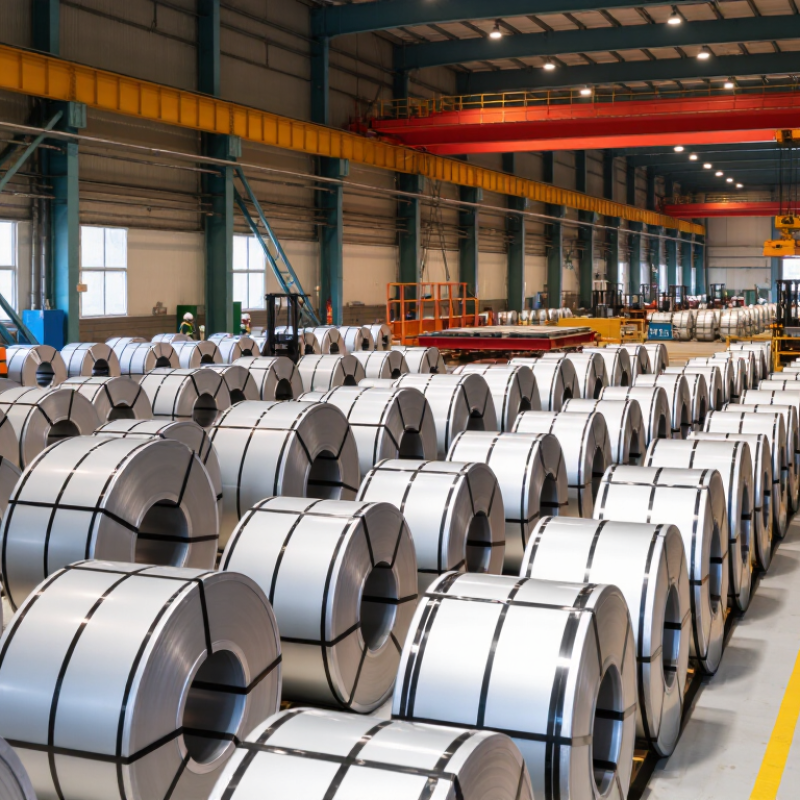
Top Gauge Steel Suppliers for Global Buyers

Understanding Steel Gauges and Global Purchasing Standards

Top Gauge Steel Suppliers for Global Buyers

Understanding Steel Gauges and Global Purchasing Standards

Steel gauge is not a universal measurement. In one market, gauge may describe nominal thickness. In another, buyers expect millimeters. The same gauge number can produce different thicknesses for carbon steel, galvanized steel, or stainless steel. This creates costly misunderstandings. A procurement team should request thickness in millimeters, gauge reference, tolerance, and material grade. Keep it written. During sourcing, I have seen a sheet labeled “18 gauge” arrive near the expected size, yet its coating and tolerance changed the usable thickness. The label was not false, but it was incomplete.

Global buyers should compare supplier documents against recognized standards. Ask for a mill test certificate, dimensional inspection data, coating weight, and mechanical properties. Confirm whether measurements use nominal or actual thickness. Check the testing method, sampling location, and certificate date. These details matter when steel becomes roofing, brackets, frames, or precision panels. A practical purchase specification might state: 1.20 mm base steel, ±0.05 mm tolerance, specified coating mass, grade, width, length, and surface finish. Clear numbers travel better than local gauge language.

Import planning also requires attention to packaging, moisture protection, labeling, and delivery terms. A reliable supplier should explain variations before production, not after loading. Buyers can request a small sample and measure it with a calibrated micrometer. Simple checks help. Yet no document replaces independent inspection when volume or risk is high. I still find gauge charts easy to misuse, especially when teams copy old purchase orders. That habit deserves review. Standards evolve, and internal templates can quietly become outdated.

Top Gauge Steel Suppliers for Global Buyers - Understanding Steel Gauges and Global Purchasing Standards

U.S. Steel Gauge Nominal Thickness
(in)
Nominal Thickness
(mm)
Typical Application Common International Specification Global Purchasing Checkpoint
30 0.0120 0.30 Light-duty panels, small enclosures and trim ASTM A1008 cold-rolled sheet; EN 10130 equivalent grades may be specified Confirm minimum ordered thickness because very thin sheet is sensitive to dimensional variation
28 0.0149 0.38 General sheet-metal fabrication and duct components ASTM A1008 or ASTM A653 when galvanized coating is required Request coating designation separately from base-steel thickness
26 0.0179 0.45 Roofing panels, HVAC parts and light structural work ASTM A653 galvanized sheet; EN 10346 coated flat products Specify coating mass, surface quality and yield-strength category
24 0.0239 0.61 Automotive panels, cabinets and formed components ASTM A1008; EN 10130; JIS G 3141 Check tensile strength, elongation and forming grade before purchase
22 0.0299 0.76 General fabrication, equipment covers and structural panels ASTM A36 for structural plate applications; ASTM A1008 for sheet Do not substitute structural grades for drawing-quality or deep-drawing sheet
20 0.0359 0.91 Machine guards, brackets and medium-duty enclosures ASTM A1008; EN 10130; JIS G 3141 State whether thickness is measured before or after metallic coating
18 0.0478 1.21 Heavy-duty cabinets, frames and industrial components ASTM A653, ASTM A1008 or EN 10346 according to finish Verify flatness, edge condition, coil inside diameter and maximum coil weight
16 0.0598 1.52 Structural brackets, truck bodies and fabricated frames ASTM A36, ASTM A572 or equivalent EN structural grades Specify minimum yield strength, tensile strength and impact requirements where applicable
14 0.0747 1.90 Base plates, heavy brackets and industrial assemblies ASTM A36 or EN 10025 structural steel grades Confirm plate-versus-sheet classification under the destination market standard
12 0.1046 2.66 Heavy equipment parts and structural fabrication ASTM A36, ASTM A572 or EN 10025 Request mill test certification and traceability for each heat or batch
10 0.1345 3.42 Heavy-duty plates, machinery bases and structural components ASTM A36, ASTM A572 or EN 10025 Use millimeters in the purchase order and identify the governing inspection standard
Important purchasing note: Steel gauge numbers are not universal. The values above use the commonly referenced U.S. Standard Gauge for carbon steel and are nominal conversions only. For international purchasing, specify the exact thickness in millimeters, material grade, product standard, coating, surface finish, dimensional tolerances, inspection documents and delivery terms.
Supplier Qualification
Confirm production capability, applicable certifications, export experience, quality-control procedures and capacity for the required thickness range.
Required Documents
Request a commercial invoice, packing list, certificate of origin, mill test certificate, inspection report and coating certificate when applicable.
Order Specification
Include grade, thickness, width, length or coil dimensions, quantity, tolerance, finish, packaging, marking, Incoterm and destination port.

Key Criteria for Evaluating International Steel Suppliers

For global buyers, selecting a steel supplier requires more than comparing a quoted price. Evaluate production experience, mill capacity, and expertise with your target grade. Ask for recent mill test certificates, dimensional records, and traceability documents. A reliable supplier can explain chemistry, mechanical properties, tolerances, and coating performance clearly. Check whether certificates match the actual heat number on bundles or coils. Small details matter.

Tips: Request a sample order when practical. Compare surface condition, thickness readings, packaging, and delivery accuracy. Confirm inspection methods before production, including sampling frequency and independent testing options. Review payment terms, lead times, export packing, and communication routines. A supplier that reports delays early is often safer than one promising perfection. I have seen schedules fail because buyers checked steel quality but ignored port congestion and document timing.

Authority should be verifiable. Look for accredited laboratory reports, quality-management certifications, audited production records, and references from comparable industries. Check how complaints are handled. Ask for corrective-action reports, not only polished testimonials. Price remains important, but unusually low offers deserve careful questioning. The cheapest coil may create rework, rejected batches, or expensive storage. No checklist is perfect. Even experienced buyers can overlook changing tariffs, local standards, or unclear responsibility after shipment. Reassess the supplier after each order, using measured performance rather than promises.

Leading Steel Supplier Regions and Product Specialties

Top Gauge Steel Suppliers for Global Buyers

Leading steel supplier regions differ in capacity, quality controls, and product strengths. East Asian mills often serve high-volume orders for cold-rolled, galvanized, and pre-painted steel. Their facilities may offer narrow gauge tolerances and custom coil widths. European suppliers commonly focus on advanced automotive grades, electrical steel, and low-carbon production. Documentation is usually detailed, but minimum order quantities can be higher.

North American suppliers are strong in hot-rolled coil, structural plate, and energy-sector steel. They often provide regional stock, traceable heat numbers, and practical delivery schedules. South Asian producers may offer competitive pricing for galvanized sheets, roofing coils, and mild steel sections. Buyers should inspect coating uniformity, edge condition, and packaging before accepting a shipment. Small defects become expensive during stamping or roll forming.

Middle Eastern suppliers can support construction projects with rebar, plate, and weather-resistant grades. Regional availability may reduce freight time for nearby markets. I have found that supplier location alone does not guarantee performance. A cheaper quote can hide weaker tolerances or unclear testing methods. Ask for mill certificates, third-party inspection options, and recent dimensional reports. Confirm gauge thickness at several points across the coil, not only at the center. Steel selection remains a balance between price, processing behavior, and dependable evidence.

Quality Control, Certifications, and Compliance Requirements

Global buyers need more than a low steel price. They need measurable control from furnace to final shipment. The World Steel Association reported approximately 1.89 billion tonnes of crude steel production in 2023. At this scale, weak traceability can create costly specification errors.

A dependable supplier should provide heat numbers, chemical analysis, mechanical test results, and dimensional records. Each document must match the shipped coil, plate, or bar. EN 10204 Type 3.1 inspection certificates are widely used for this purpose. Buyers should also verify compliance with ASTM, EN, or JIS requirements, depending on the project location. ISO 9001 certification supports process consistency, but it does not guarantee perfect steel. That distinction matters.

Independent testing can confirm yield strength, tensile strength, elongation, hardness, and surface condition. For corrosion-sensitive applications, buyers may request ultrasonic testing or coating-thickness checks. The OECD Steel Outlook 2024 highlights continuing global capacity pressure and trade uncertainty. Therefore, supplier audits should examine calibration records, nonconformance reports, and corrective actions. Ask for recent production evidence.

Paperwork can look impressive.

Yet, some suppliers provide generic certificates with limited batch detail. This is a practical warning, not an accusation. Buyers should compare certificates against packing lists, labels, and laboratory results. Environmental declarations, energy data, and responsible sourcing policies are increasingly relevant, especially for infrastructure procurement. A serious supplier explains gaps openly and accepts independent verification. Reliability is built through repeated evidence, not polished claims.

Top Gauge Steel Suppliers for Global Buyers: Quality Control, Certifications, and Compliance Requirements

The chart compares minimum specified yield strength for widely used structural steel grades. Global buyers should verify mill test certificates under EN 10204, quality systems such as ISO 9001, applicable ASTM, EN, JIS, or GB standards, dimensional tolerances, chemical composition, traceability, and independent inspection requirements before approving a supplier.

Reference basis: ASTM A36, EN 10025-2 S275JR, JIS G3101 SS400, and GB/T 700 Q235B published grade requirements. Values shown are minimum specified yield strengths and may vary by product thickness and delivery condition.

Comparing Pricing, Logistics, and Buyer Support Services

When comparing top gauge steel suppliers, price per metric ton is only the starting point. A quotation for 0.8 mm galvanized sheet may exclude coating weight, edge trimming, packaging, or inland delivery. Ask for a complete cost sheet. It should show material grade, thickness tolerance, payment terms, and inspection charges. A low offer can become expensive after these details appear.

Logistics often separates a reliable supplier from an attractive quotation. Confirm production time, container capacity, loading method, and the destination port before ordering. One delayed sailing can disrupt a fabricator’s weekly schedule. Suppliers with practical export experience should explain packaging for moisture protection and provide shipping documents promptly. Still, forecasts can fail. Weather, port congestion, and vessel changes remain difficult to control.

Buyer support deserves the same attention as steel quality. Request samples, mill test certificates, coil photographs, and a clear claim procedure. A responsive technical contact can help verify gauge readings with a micrometer before unloading. Check how quickly questions are answered, not just how politely. My own comparison would include response time, document accuracy, and after-sales follow-up. The cheapest supplier may win the spreadsheet. That does not always mean the safest purchase. Some support promises sound convincing, but only written procedures and consistent records prove their value.