
2026 Top Structural Steel Framing Suppliers Worldwide?
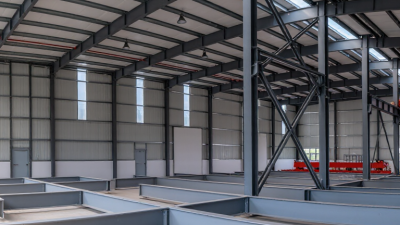
Choosing the right structural steel framing supplier in 2026 requires more than comparing prices or browsing polished websites. Project teams must examine engineering capability, fabrication capacity, quality controls, delivery reliability, and documented performance. A strong supplier should provide stamped design support, traceable mill certificates, accurate shop drawings, and clear communication from quotation to installation. Physical details matter, too: clean welds, consistent bolt holes, protected steel surfaces, and carefully labeled bundles can prevent expensive site delays.
This guide reviews leading suppliers worldwide through practical and professional criteria. It considers regional manufacturing strength, project experience, sustainability reporting, certification practices, and after-sales support. Evidence may include completed stadiums, warehouses, industrial facilities, and high-rise projects, rather than promotional claims alone. Site conditions also influence the decision. A supplier near a coastal project may need stronger corrosion protection, while a remote site may require smaller delivery batches and better packaging.
The ranking is not absolute.
Public information is uneven. Some established manufacturers disclose limited project data, while smaller specialists may deliver excellent work without global visibility. That limitation deserves attention. Readers should verify current certifications, production schedules, references, and contractual responsibilities before making a purchase. Currency changes, freight disruptions, tariffs, and steel prices can also alter the final choice during 2026. With these realities in mind, the following overview offers a balanced starting point for identifying dependable structural steel framing suppliers and comparing their suitability for different project demands.
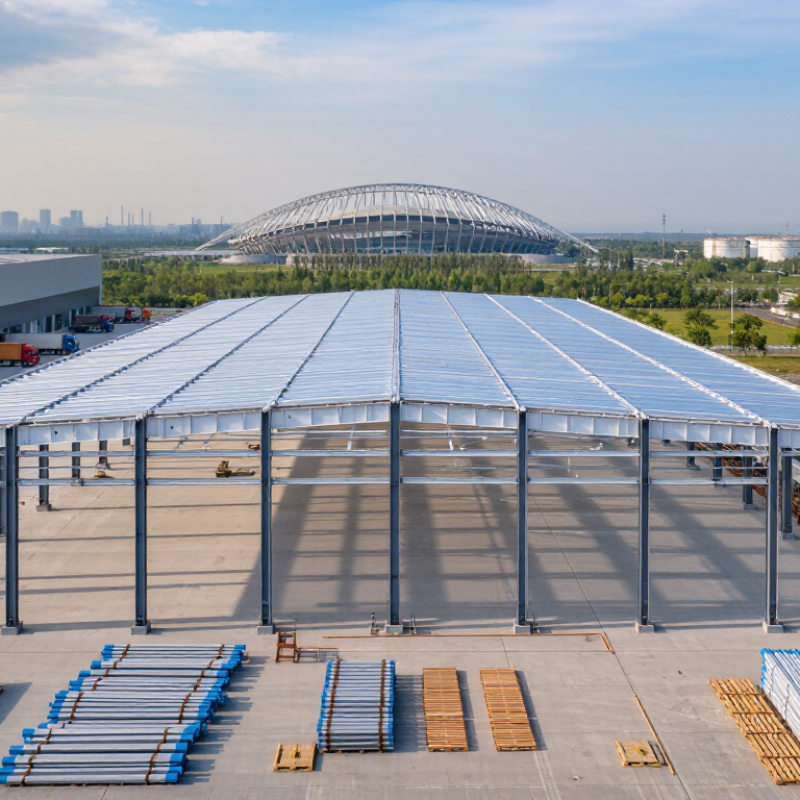
Definition and Role of Structural Steel Framing Suppliers
Structural steel framing suppliers are companies that source, engineer, fabricate, and deliver steel members for buildings and industrial structures. They connect design intent with physical construction. Their responsibilities may include columns, beams, connection plates, bracing, shop drawings, surface treatment, and delivery planning.
A capable supplier studies architectural and structural drawings before cutting steel. Engineers check dimensions, load paths, connection details, and material grades. Fabrication teams then use controlled measurements, welding procedures, and inspection records. These documents help contractors verify quality instead of relying on appearance alone. That distinction matters.
Suppliers also coordinate with fabricators, transport teams, and site managers. A single delayed beam can interrupt cranes, crews, and concrete work. Timing is structural too. Experienced teams consider local building requirements, environmental exposure, fire protection, and project-specific engineering approvals. Requirements vary by jurisdiction, so generic promises deserve caution.
Buyers should request traceable material certificates, clear tolerances, inspection plans, and realistic delivery dates. Factory visits can reveal practical details, such as organized steel storage and readable weld records. A strong supplier communicates problems early, not after installation. Still, perfection is unrealistic. A missed coating touch-up or revised connection detail can occur. Transparent reporting allows engineers to correct it safely. That honesty protects decisions.
2026 Top Structural Steel Framing Suppliers Worldwide? - Definition and Role of Structural Steel Framing Suppliers
| Supplier Category | Primary Role | Typical Geographic Coverage | Main Products | Relevant Standards | Best Fit for Projects | Key Qualification Evidence |
|---|---|---|---|---|---|---|
| Integrated steel producers | Produce steel from primary raw materials and supply certified structural products through direct or channel sales. | International export markets; usually supported by regional distribution networks. | Hot-rolled plates, beams, columns, channels, angles, coils, and structural hollow sections. | ASTM A36, ASTM A572, EN 10025 S275/S355, JIS G3101, product-specific mill standards. | Large buildings, bridges, industrial facilities, infrastructure, and high-volume framing packages. | Mill test certificates, heat-number traceability, chemical and mechanical test results, production audits, and quality-management certification. |
| Structural steel service centers | Stock, process, cut, drill, and distribute steel closer to construction markets. | Strong regional or national coverage with access to imported and domestic material. | Cut-to-length plate, beams, columns, channels, angles, hollow sections, and processed components. | Applicable ASTM, EN, JIS, or local product standards, depending on the destination market. | Commercial buildings, warehouses, equipment supports, retrofit work, and projects requiring flexible order quantities. | Inventory records, material certificates, cutting tolerances, delivery performance, traceability procedures, and documented inspection controls. |
| Structural steel fabricators | Convert engineering drawings and models into shop-fabricated, inspected, and erection-ready framing members. | Primarily regional, with international capability when logistics and project controls are established. | Built-up beams, columns, trusses, frames, stairs, connection assemblies, and welded or bolted components. | AWS D1.1, EN 1090-2, ISO 3834, applicable execution class requirements, and project-specific welding procedures. | Design-build projects, industrial plants, complex structures, and projects requiring detailed fabrication control. | Approved welding procedures, welder qualifications, inspection and test plans, dimensional reports, non-destructive testing records, and 3D detailing capability. |
| Pre-engineered building suppliers | Provide standardized or semi-standardized steel building systems with engineering, fabrication, cladding, and erection support. | Regional and export markets, particularly where repeatable building layouts are suitable. | Rigid frames, tapered members, purlins, girts, bracing, roof systems, wall systems, and accessories. | Local building codes, AISC-based design practices, EN execution requirements, ASTM or EN material standards, and project specifications. | Warehouses, logistics centers, agricultural buildings, workshops, retail facilities, and low- to medium-rise industrial structures. | Load calculations, design responsibility matrix, shop drawings, connection details, corrosion-protection specifications, and erection method statements. |
| Modular and off-site construction suppliers | Integrate structural steel frames with factory-built modules, services, finishes, and transportation planning. | Usually national or regional because transport dimensions, lifting plans, and local codes affect delivery. | Volumetric modules, light-gauge or hot-rolled frames, connection systems, and prefabricated building units. | Applicable structural design codes, fire and building regulations, ISO 3834 where welding is used, and transport requirements. | Accommodation, healthcare, education, workforce housing, temporary facilities, and rapidly deployable buildings. | Factory production controls, dimensional verification, lifting and transport plans, fire-performance documentation, interface coordination, and installation records. |
| Bridge and infrastructure steel suppliers | Supply and fabricate steel systems for bridges, transport infrastructure, public works, and heavy-duty structures. | National and international project markets, subject to public procurement and infrastructure approvals. | Bridge girders, orthotropic components, box sections, trusses, plate assemblies, bearings supports, and temporary works. | Project-specific bridge specifications, ASTM or EN structural grades, AWS D1.5 where applicable, and national highway standards. | Road and rail bridges, stations, marine structures, towers, and heavy industrial infrastructure. | Welding and fatigue procedures, fracture-control documentation, NDT records, coating inspections, load-test records, and infrastructure references. |
| Steel coating and finishing specialists | Protect fabricated steel against corrosion and prepare components for demanding service environments. | Local or regional service coverage, often coordinated with fabricators and project logistics providers. | Hot-dip galvanized members, painted steelwork, duplex systems, blast-cleaned surfaces, and repair coatings. | ISO 12944 for protective paint systems, ASTM A123 for hot-dip galvanized structural products, and project coating specifications. | Marine, coastal, chemical, outdoor, industrial, and high-humidity environments where corrosion protection is critical. | Surface-preparation records, coating thickness measurements, environmental-condition logs, adhesion tests, galvanizing certificates, and repair procedures. |
| Rebar and structural steel distribution specialists | Coordinate procurement, storage, cutting, bundling, customs, and final delivery for multi-source structural steel packages. | Regional distribution with cross-border capability when import documentation and logistics controls are available. | Sections, plates, hollow sections, reinforcing products, fasteners, connection materials, and packaged steel orders. | Destination-market material standards, ISO-based quality systems, and project-specific documentation requirements. | General contractors and steel erectors needing consolidated procurement, staged deliveries, and document control. | Supplier approval records, customs documentation, packing lists, delivery tracking, batch traceability, storage controls, and non-conformance procedures. |
Related Posts
-

What is Light Gauge Steel Framing and Its Benefits for Modern Construction
-
Top Metal Framing Systems for Durable Construction Solutions?
-
How to Choose the Right Metal Framing for Your Projects?
-
What are the Benefits of Light Gauge Metal Framing in Construction?
-
How to Choose Prefabricated Steel Structures?
-

How to Choose the Right Structural Steel for Your Construction Project?