10 Best Metal Posts for Fencing Projects

A dependable fence begins with the posts holding it upright. Metal posts can resist rot, support long fence runs, and suit materials ranging from chain link to timber panels. Yet the right choice depends on more than strength. Soil type, fence height, wind exposure, post spacing, and installation method all affect how well a system performs over time.

This guide to the 10 best metal posts for fencing projects compares practical options for different needs and budgets. It considers material, dimensions, coating, compatibility, and ease of installation. A galvanized finish may help protect steel from corrosion, while powder coating can add another protective layer and a cleaner appearance. Check product specifications carefully; labels and photos alone may not reveal wall thickness, grade, or intended use.

Details matter. A post that works well in firm, dry ground may need a different footing in loose or wet soil. Heavier is not always better, either. Oversized posts can add cost without solving poor spacing or weak foundations. The recommendations are a starting point, not a substitute for site measurements or manufacturer instructions. Before buying, confirm the required post length, compatible rails or fittings, and local conditions. Small checks now can prevent a leaning fence later.
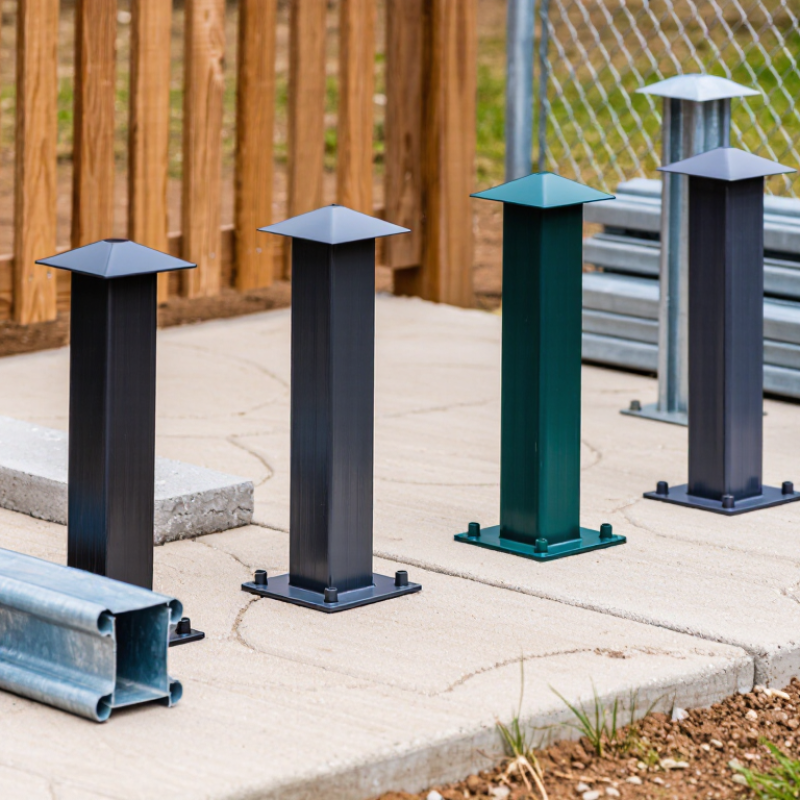
10 Best Metal Posts for Fencing Projects

Metal Fence Posts: Materials, Shapes, and Structural Roles

Metal Fence Posts: Materials, Shapes, and Structural Roles

A fence post is more than a place to attach rails or mesh. It transfers wind, gate, and impact loads into the ground. Galvanized steel is a common choice because its zinc coating slows corrosion. Aluminum resists rust and is lighter to handle, though it may flex more under heavy loads. Weathering steel can develop a protective surface patina, but damp or salty settings may complicate that choice.

Conditions matter.

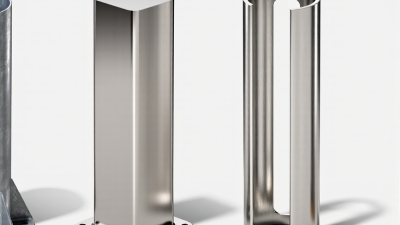
Post shape affects stiffness and connection options. Round posts work well with wire mesh and curved fittings. Square or rectangular posts offer flat faces for mounting rails and brackets. T-section and channel posts can suit lighter fencing, but their performance depends on wall thickness, steel grade, and spacing.

A thin post may look adequate in a display yard. It can feel less convincing once the wind catches a wide fence panel.

Posts also have different jobs. Line posts support ordinary fence runs; corner and end posts handle changing or concentrated tension. Gate posts need extra stiffness because hinges and repeated movement create leverage.

Embedment depth, soil type, drainage, and post spacing all influence stability. Check the manufacturer’s load guidance and inspect the coating where cuts or drilled holes expose bare metal.

Small details count. Even then, a standard detail may not fit every site, and that uncertainty deserves a closer look before installation.

How to Assess Posts for Different Fencing Projects

A metal post should match the fence’s height, weight, and exposure—not just its price. A light garden screen may need less stiffness than a tall privacy fence catching gusts. Check the post’s steel thickness, cross-section, and connection points. Thin walls can flex around a gate or at a corner. Measure the actual site, too; uneven ground can leave some posts carrying more load.

Wind and soil change the choice. ASCE/SEI 7-22 provides location-specific wind-load procedures, so use local mapped wind data instead of relying on a generic post-spacing rule. Open fields and coastal sites may need stronger posts or closer spacing. Soft, wet, or recently disturbed soil can also reduce support. A post that feels firm in dry soil may shift after heavy rain. I would not guess the embedment depth without checking soil and fence details.

Corrosion protection matters where posts face road salt, damp soil, or coastal air. The American Galvanizers Association’s service-life chart estimates about 20–40 years to first maintenance for a 3.9-mil zinc coating in industrial atmospheres. That is an atmospheric estimate, not a guarantee for buried sections. Inspect the ground line, where water and debris collect. It is easy to overlook. Compare coating specifications and installation details before choosing; a strong post can still fail early if water sits around its base.

10 Best Metal Posts for Fencing Projects

10 Best Metal Posts for Fencing Projects

Choosing metal posts is less about appearance than matching the post to soil, wind, and fence weight. For chain-link or garden fencing, galvanized steel resists corrosion and offers a practical balance of strength and cost. A powder-coated finish can add protection, but scratches near the ground may expose steel. Check cut ends and joints before installation.

The American Galvanizers Association’s coating-life guidance estimates that a 3.9-mil zinc coating may provide roughly 50–75 years before first maintenance in a temperate marine environment. Actual performance depends on exposure and upkeep, so treat this as a benchmark, not a guarantee. ASTM A123/A123M specifies requirements for hot-dip galvanized coatings on iron and steel products; confirm that supplied posts meet the applicable specification. In the field, inspect the soil line closely. Moisture and trapped debris often collect there.

For a sturdy fence, compare wall thickness, post diameter, coating, and intended spacing—not just the advertised load rating. Corner and gate posts usually face greater tension than line posts, so they may need larger sections or bracing. Set posts deep enough for local soil and frost conditions, and keep concrete from forming a cup that holds water. Small details matter. Even experienced installers sometimes underestimate wind exposure on open sites; check the layout before ordering.

Choosing Post Dimensions and Compatible Fence Materials

Metal fence posts should be sized for the fence they support, not chosen by appearance alone.

Start with fence height, expected wind exposure, and the weight of gates or attached panels. A light garden mesh may need smaller posts than solid boards, which catch more wind.

Check post diameter, wall thickness, and recommended spacing together. A tall fence with widely spaced posts can flex, even when the steel looks substantial.

Match the post finish and fittings to the fence material. Galvanized steel can suit many outdoor settings, while coated posts may offer an extra barrier against moisture.

Use compatible clamps, screws, and brackets; mismatched metals can corrode where they touch. Timber rails often need brackets sized for their width, while wire fencing needs tension-friendly fittings.

Consider soil, too: loose or wet ground may call for deeper setting or a different foundation. There is no perfect post size for every yard. A quick measurement can still miss a gusty corner or a gate’s repeated movement.

Tips: Measure the actual fence height and panel width before ordering. Check the post’s stated load guidance, not just its outside diameter. Keep cut ends protected, and inspect fittings after installation. One easy detail to overlook: gate posts usually need more support than line posts.

Installing and Maintaining Metal Fence Posts

Installing and Maintaining Metal Fence Posts

Set out the fence line before digging, and check that each hole suits the soil, post height, and local frost depth. Keep posts plumb; a small lean becomes obvious when rails go in. Compact backfill in layers, or crown concrete so rain drains away from the post. Avoid trapping water at the steel’s base. For galvanized posts, ASTM A123/A123M specifies minimum average zinc-coating thicknesses from 45 to 100 micrometers, depending on steel thickness. The American Galvanizers Association’s Zinc Coating Life Predictor uses atmospheric corrosion data to estimate coating life. Exposure matters. Salt air and industrial pollution can shorten it, so an estimate is not a guarantee.

During maintenance, look for loose rails, chipped coating, rust at cut ends, and soil piled against posts. After storms, check corners and gates; they often reveal movement first. Clean damaged areas and repair galvanized coatings using a method consistent with ASTM A780. Keep vegetation trimmed back, and remove standing debris that holds moisture against the metal. A practical inspection should include the post’s base, not just the visible top. Still, buried corrosion is difficult to assess without disturbing the soil. That is an imperfect check, but it can catch early warning signs.

10 Best Metal Posts for Fencing Projects - Installing and Maintaining Metal Fence Posts
Post type Typical material and profile Best suited for Typical spacing Installation considerations Maintenance notes
Galvanized round line post Hot-dip galvanized steel tube; commonly about 1⅞ in. outside diameter Chain-link fence runs Often 8–10 ft, depending on fence height, mesh, and site conditions Set in concrete or compacted soil as specified for the fence system. Use compatible rail ends and fittings. Check for coating damage, loose fittings, and corrosion, especially near the soil line.
Galvanized terminal post Heavier galvanized steel tube; commonly about 2⅜ in. outside diameter for residential chain-link systems Fence ends, corners, and gate openings in chain-link installations Used at ends, corners, and gates rather than at regular line-post intervals Brace and anchor it to resist the tension of stretched chain-link fabric. Confirm dimensions with the fence system. Inspect braces, tension fittings, gate hardware, and the protective coating around the base.
Steel T-post Painted or coated rolled steel section with a studded face; sold in several weights and lengths Temporary, agricultural, and light livestock fencing Commonly 8–12 ft; use closer spacing for uneven ground or flexible wire Drive with a post driver and orient studs to help retain wire. Add suitable end and corner assemblies where wire is tensioned. Check for bending, loose wire clips, coating wear, and movement after frost or heavy rain.
Steel U-channel post Galvanized or painted formed steel channel; dimensions and thickness vary Light-duty wire, garden, and temporary fencing Often 6–10 ft, depending on fence height and wire tension Drive or set according to the product design. Avoid using light channel posts as heavily loaded corner or gate posts. Look for twisting, bending, chipped paint, and corrosion where the post enters the ground.
Square steel post for ornamental panels Powder-coated or galvanized hollow steel tube; commonly 2 × 2 in. for some residential systems Ornamental steel or aluminum-style fence panels designed for square posts Typically set to match the panel width, often around 6–8 ft Match the post size, wall thickness, brackets, and panel spacing to the fence system. Secure end and corner posts appropriately. Touch up scratches with a compatible coating and keep drainage openings clear where provided.
Heavy square steel post Structural steel tube, often 2½–3 in. square or larger; may be galvanized or coated Sturdier panel fences, privacy sections, and applications with greater wind exposure Often 6–8 ft, with closer spacing sometimes needed for solid panels or exposed sites Use a footing sized for the fence height, soil, and wind load. Verify post wall thickness and connection details for the design. Inspect the base, welds, caps, and coating. Repair exposed steel promptly to limit corrosion.
Round steel pipe post Steel pipe in a range of diameters and wall thicknesses; galvanized or painted finishes are common Livestock, utility, and heavy-duty wire fencing Often 8–12 ft for line posts; corners and ends require stronger assemblies Drive or embed according to soil and fence loads. Use proper bracing where wire is tensioned. Check for rust, dents, loose connections, and corrosion at ground level and around welds.
Steel post for corrugated metal panels Square or rectangular structural steel tube; commonly around 2½ × 2½ in. for some panel fences Corrugated or sheet-metal privacy fencing Often 6–8 ft, coordinated with panel width and wind conditions Solid panels catch wind; choose post size, embedment, and spacing for local conditions. Use compatible panel fasteners. Inspect fasteners and coating, and check for panel movement or water collecting around the post base.
Steel line post with protective coating Galvanized steel with an additional polymer or painted finish; available in round and square profiles Residential fences where extra surface protection or a coordinated finish is desired Follow the panel or mesh system; commonly 6–10 ft Prevent cutting and installation tools from damaging the coating. Use compatible brackets and fasteners. Clean dirt from the surface and repair scratches with a coating recommended for the post finish.
Aluminum fence post Extruded aluminum, often a square profile; dimensions vary by fence system Lightweight ornamental panels and locations where low-maintenance, corrosion-resistant material is preferred Usually matched to the panel width, commonly around 6–8 ft Use brackets and fasteners intended for the system. Avoid direct contact with incompatible metals in wet environments. Rinse off accumulated dirt and inspect fasteners and the finish for damage; aluminum does not rust like steel but can corrode.

Planning note: Dimensions and spacing shown are common examples, not universal specifications. Select post size, spacing, embedment, and bracing based on fence height, infill, soil, wind exposure, local requirements, and the fence-system instructions.